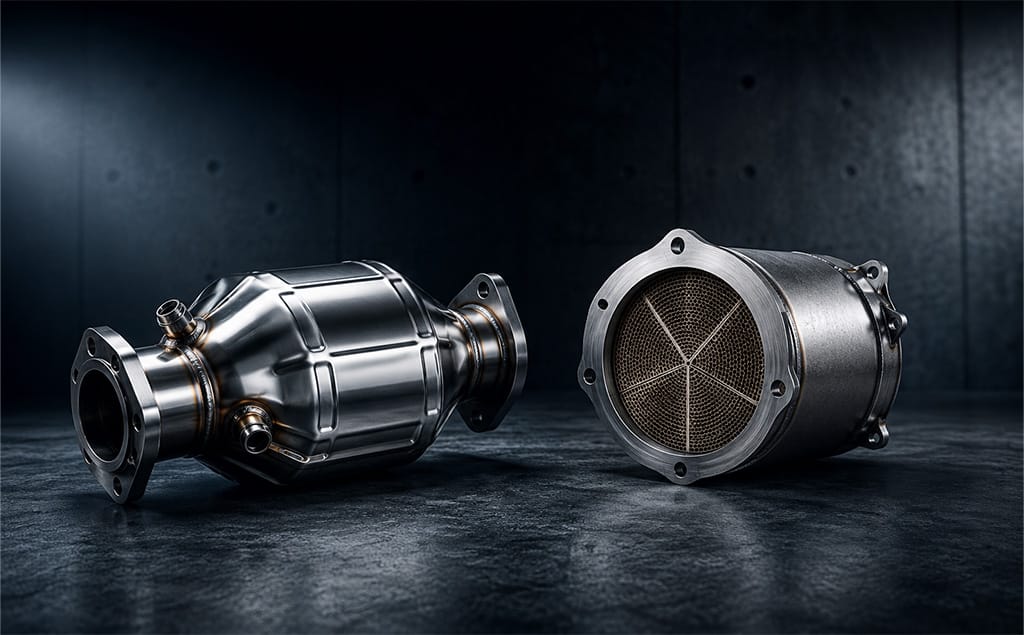
Uzmanlaşmış üç yollu katalitik konvertör 2026 hibrit emisyon kontrolünün kalbi artık burada. Standart TWC'ler 2026 hibrit modelleri için artık bu yeterli değil. Daha katı standartları karşılamak için bu araçlar, geleneksel benzinli egzoz sistemlerinin performansını aşacak şekilde tasarlanmış yüksek özellikli, özel dönüştürücülere ihtiyaç duyuyor. Bu talep, hibritlerin benzersiz çalışma profilleri ve çok daha katı küresel emisyon düzenlemelerinin başlamasıyla tetikleniyor.
The Evolution of Emission Standards in 2026
2026 yılına gelindiğinde, otomotiv sektörü neredeyse sıfır emisyon hedeflerine doğru kaymıştır. Avrupa Birliği (Euro 7) ve Kaliforniya (LEV IV) gibi düzenleyici kurumlar artık azot oksitler (NOx) ve partikül madde konusunda daha katı sınırlar uygulamaktadır. Bu standartlar büyük ölçüde "soğuk çalıştırma" dönemlerine ve "Gerçek Sürüş Emisyonlarına" (RDE) odaklanmaktadır.
Geleneksel içten yanmalı motorlu araçlar, sürekli çalışma sayesinde egzoz sistemini sıcak ve verimli tutar. Buna karşılık, hibrit motorun sürekli çevrimi, sistemin sabit bir çalışma sıcaklığı oluşturmasını ve korumasını zorlaştırır. Bu durum, standart dönüştürücülerin başa çıkamayacağı bir termal ortam yaratır. Bu nedenle, üreticiler hibrit dönüştürücülere yönelmek zorundadır. üç katalitik konvertör Araçların yasal olarak gerekli olan verimlilik rakamlarını gerçekten karşıladığından emin olmak için.
1. Hybrid Operation Creates a Complex Emissions Profile
Hibrit sistemler, geleneksel benzinli araçlardan farklı çalışır. Bu araçlar sık sık elektrik motorları ve içten yanmalı motorlar arasında geçiş yapar. Bu durum, egzoz gazlarının sürekli olmayan bir şekilde akmasına neden olur.
- Sık Sık Başlatma-Durdurma Döngüleri: Motor, tek bir yolculuk sırasında birçok kez açılıp kapanıyor.
- Saf Elektrik Aralıkları: Araç önemli bir süre boyunca sıfır egzoz modunda çalışıyor.
- Değişken Yük Yeniden Başlatmaları: Motor, yüksek yük altında acil güç sağlamak için sık sık yeniden çalıştırılır.
Motor her yeniden çalıştırıldığında, kirleticilerde ani bir artış meydana gelir. Standart bir üç yollu katalitik konvertör Ani hız artışlarını işlemek için yeterli hıza sahip değil. Motor aralıklı çalıştığı için, dönüştürücünün etkili kalabilmesi için özel mühendislik gerektiriyor.
2. The Critical Challenge of Temperature Instability
A üç yollu katalitik konvertör En iyi performansını ancak aktivasyon sıcaklığına ulaştıktan sonra gösterir. Bu sıcaklık genellikle 250°C ile 300°C arasındadır.
Hibrit araçlarda motor genellikle birkaç dakika boyunca kapalı kalır. Bu süre zarfında katalizör aktif çalışma aralığının altına kadar soğur. Motor tekrar çalıştırıldığında, katalitik konvertör anlık CO₂ ve NOₓ gazlarını nötralize edemeyecek kadar soğuk olur. Bu "termal şok" ve hızlı soğutma döngüsü, 2026 hibrit tasarımları için başlıca teknik engeli temsil etmektedir.
3. Advanced Catalyst Formulations and Precious Metal Density
Düşük sıcaklık verimsizliğiyle mücadele etmek için mühendisler hibrit sistemlerde üstün kimyasal formülasyonlar kullanıyor. TWC'lerBu üniteler, standart dönüştürücülere göre daha yüksek konsantrasyonda Platin Grubu Metalleri (PGM) içerir.
- Platin (Pt): Daha düşük sıcaklıklarda oksidasyonu kolaylaştırır.
- Paladyum (Pd): Yüksek termal kararlılık ve hızlı tepki süreleri sunar.
- Rodyum (Rh): Azot oksitlerin en etkili şekilde azaltılmasını sağlar.
Hibrit sistemler ayrıca optimize edilmiş yıkama kaplama kimyasından da yararlanır. Bu kimya oksijen depolamasını artırır ve oksijen seviyesini korur. üç yollu katalitik konvertör Egzozda çok az oksijen olsa bile kimyasal olarak çalışmaya devam eder.
PGM Yükleme Karşılaştırması (2026 Tahminleri)
| Araç Tipi | Ortalama PGM İçeriği (Gram) | Tipik Piyasa Değeri (USD) | Ana Emisyon Hedefi |
|---|---|---|---|
| Standart Sedan | 3 – 5g | 150 – 300 dolar | Sürekli CO/HC |
| Hibrit (örneğin, Prius) | 10 – 15g | 450 – 900 dolar | Soğuk Çalıştırma NOx |
| Lüks SUV | 8 – 12g | 350 – 700 dolar | Yüksek Hacimli Egzoz |
4. Integration of Rapid Light-Off Technologies
2026 yılında modern hibrit sistemler, katalizörü sıcak tutmak için donanım yeniliklerinden yararlanıyor. Üreticiler artık sadece motor ısısına güvenemezler.
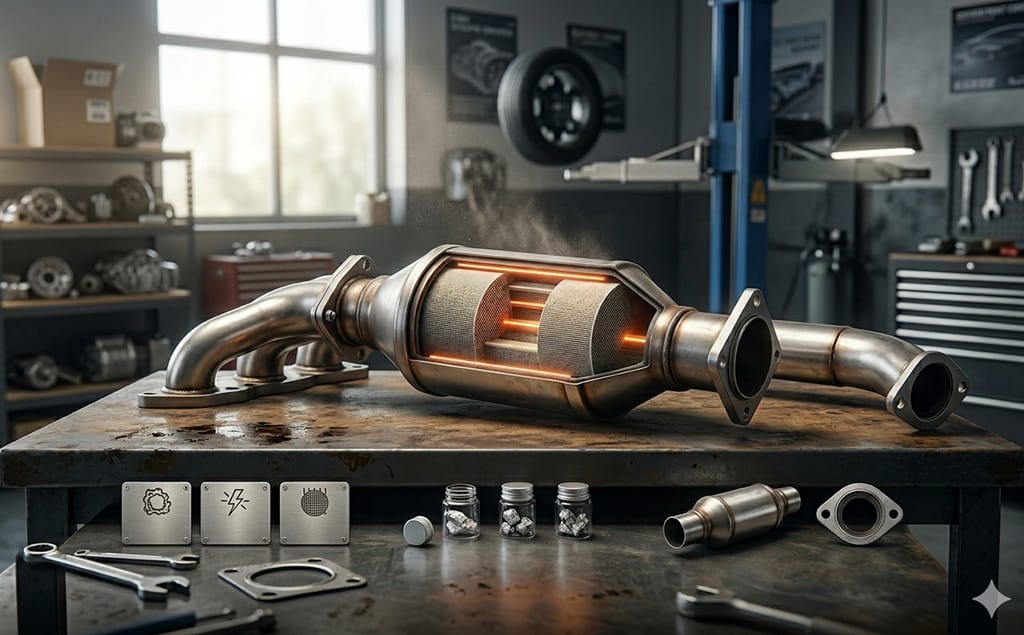
- Elektrikle Isıtılan Katalizörler (EHC): Hibrit aracın yüksek voltajlı bataryasını kullanarak seramik alt tabakayı önceden ısıtan bu sistemler, motor çalışmaya başlamadan önce bile TWC'yi istenen sıcaklığa getiriyor. Mühendisler, üç katalitik konvertörü doğrudan egzoz manifolduna monte ediyor. Bu, ısının kat etmesi gereken mesafeyi azaltıyor.
- Çok Aşamalı Sistemler: 2026 hibrit araçların çoğunda, daha büyük bir ana ünitenin ardından küçük bir "ön katalizör" kullanılır. Ön katalizör saniyeler içinde ısınarak ilk yeniden çalıştırma sırasındaki ani voltaj yükselmelerini kontrol altına alır.
5. Compliance with Ultra-Strict 2026 Regulations
2026 yılına gelindiğinde, küresel emisyon standartları kritik bir dönüm noktasına ulaşacak ve yeni düzenlemeler özellikle hibrit sistemlere özgü operasyonel farklılıkları hedef alacak.
- Euro 7 Standartları: Bu, önceki yıllara kıyasla $NO_x$'te 'lik bir azalma gerektirir.
- Çin 7d Normları: Bu şartlar, sık sık motor yeniden çalıştırmayı içeren gerçek dünya testlerini zorunlu kılmaktadır.
- LEV IV (Kaliforniya): Bu standart, "soğuk çalıştırma" kaynaklı emisyon artışını ortadan kaldırmaya odaklanmaktadır.
Bir standart üç yollu katalitik konvertör Bu testlerden geçemez. Sadece yüksek PGM yüküne ve termal yönetime sahip özel üniteler bu yasal gereklilikleri karşılayabilir.
6. Managing Durability and Condensation
Hibrit sistemlerdeki sık soğutma ve ısıtma döngüleri fiziksel strese neden olur. Konvertör soğuduğunda, egzozdan gelen nem petek yapısının içinde yoğunlaşır.
Bu nem şunlara yol açabilir:
- Kimyasal Deaktivasyon: Su, değerli metallerin bulunduğu bölgeleri etkiler.
- Termal Stres: Islak bir katalizörün hızlı ısıtılması seramik alt tabakanın çatlamasına neden olabilir.
- Korozyon: Standart çelik gövdeler, aralıklı ısıya maruz kaldıklarında daha hızlı paslanabilir.
Yüksek kaliteli paslanmaz çelik ve son teknoloji ürünü hidrofobik kaplama ile üretilen özel Model 2026 katalitik konvertör, uzun ömürlü olacak şekilde tasarlanmıştır ve 150.000 mil kullanım ömrüne rahatlıkla ulaşır.
7. The Rising Value of Hybrid Catalytic Converters
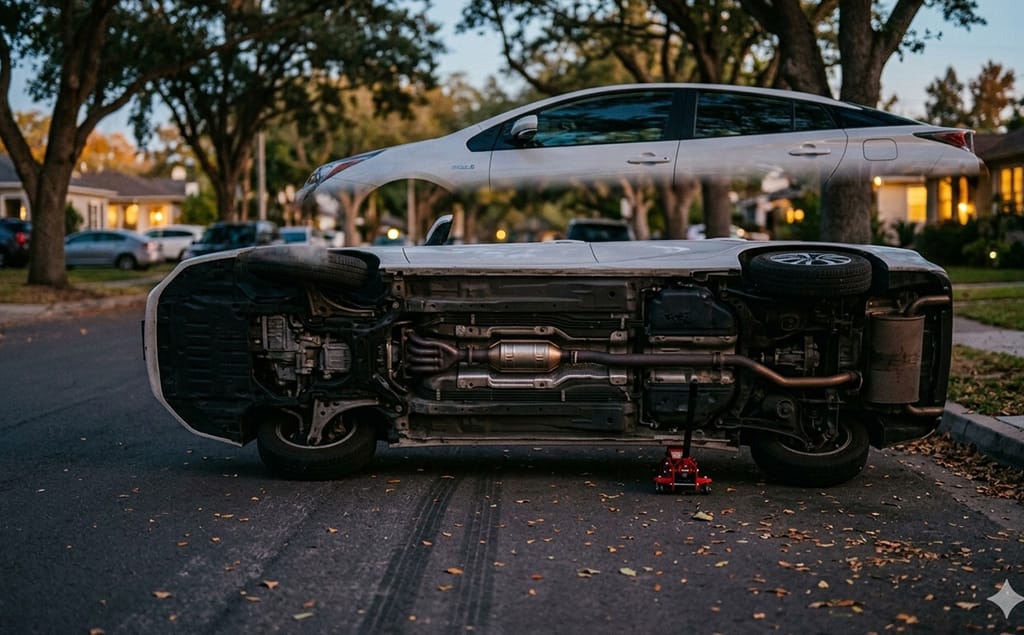
Bu ünitelerin karmaşıklığı, onları yalnızca benzinle çalışan araçlarda bulunanlardan önemli ölçüde daha değerli kılıyor. Üç kata kadar daha fazla Rodyum ve Paladyum içerdikleri için hırsızlık için başlıca hedef haline geldiler. Toyota Prius katalitik konvertörü, yüksek değerli metal yoğunluğu nedeniyle ikinci el piyasasında en pahalı parçalardan biri olmaya devam ediyor.
Çözüm
Uzmanlaşmış üç yollu katalitik konvertörler 2026'da hibrit araçlar için artık isteğe bağlı olmaktan çıkacaklar. Bunlar temel mühendislik bileşenleri olacak. Aralıklı motor çalışması ve katı küresel yasaların birleşimi, daha hızlı "ateşleme" süreleri ve daha yüksek değerli metal konsantrasyonları gerektiriyor. Bu gelişmiş özellikler, TWC'ler Araç maliyetlerini artırmalarına rağmen, modern hibrit araçların 2026'da sıfıra yakın emisyon statüsüne sahip olabilmelerinin tek nedeni budur.