Вступ
Сучасна автомобільна інженерія надає пріоритет скороченню викидів. Транспортні засоби використовують складні системи для нейтралізації шкідливих газів та уловлювання твердих частинок. трикомпонентний каталітичний нейтралізатор є наріжним каменем цієї технології. Він контролює оксиди азоту, чадний газ та вуглеводні. Тим часом, сажові фільтри бензинових двигунів (GPF) та дизельних двигунів (DPF) вловлюють тверду сажу. Ці компоненти працюють разом, щоб забезпечити відповідність екологічним нормам. Однак з часом сажа та попіл накопичуються. Це накопичення обмежує потік вихлопних газів та знижує ефективність двигуна. Водії часто запитують, як часто ці компоненти потребують технічного обслуговування. Розуміння інтервалів очищення для трикомпонентний каталітичний нейтралізатор та пов'язані з ним фільтри є важливими. У цьому посібнику розглядаються фактори, що впливають на термін служби, та найкращі методи обслуговування.
The Role of the Three Way Catalytic Converter in Emissions
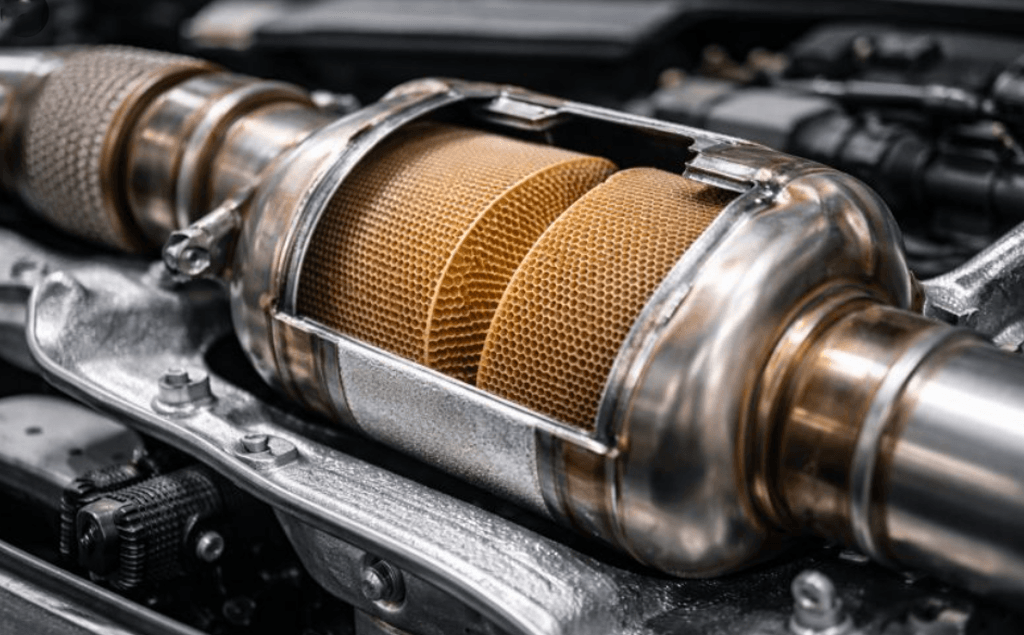
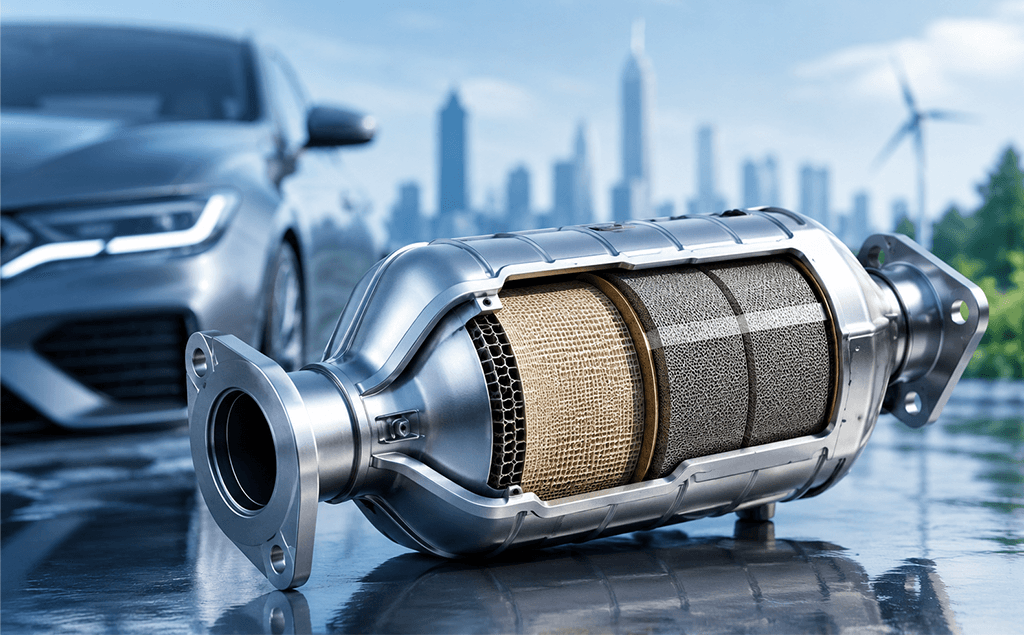
А трикомпонентний каталітичний нейтралізатор виконує три одночасні завдання. Він відновлює оксиди азоту до елементарного азоту та кисню. Він окислює чадний газ до вуглекислого газу. Він також перетворює незгорілі вуглеводні на воду та вуглекислий газ. Цей процес вимагає високих температур. Пристрій використовує дорогоцінні метали, такі як платина, паладій та родій. Ці метали діють як каталізатори хімічних реакцій.
У сучасних бензинових автомобілях виробники часто інтегрують GPF з трикомпонентний каталітичний нейтралізаторЦя інтегрована система обробляє як газоподібні забруднювачі, так і тверді частинки. Якщо GPF засмічується, трикомпонентний каталітичний нейтралізатор стикається з підвищеним термічним навантаженням. Це навантаження може погіршити покриття з дорогоцінного металу. Тому підтримка справності фільтра безпосередньо захищає трикомпонентний каталітичний нейтралізатор.

Top 5 Factors Affecting Cleaning Intervals
Кілька змінних визначають, як швидко ваша вихлопна система потребуватиме уваги. Ви повинні контролювати ці фактори, щоб запобігти передчасному виходу з ладу трикомпонентний каталітичний нейтралізатор.
1. Міські та шосейні умови водіння
Їзда по місту передбачає часті зупинки та рушання. Низькі швидкості перешкоджають досягненню оптимальної робочої температури вихлопних газів. Ці умови призводять до швидкого накопичення сажі у фільтрі мідного фільтра (GPF). Натомість, їзда по шосе підтримує високу температуру вихлопних газів. Ці температури сприяють «пасивній регенерації». Під час цього процесу тепло природним чином спалює утримувану сажу. Холодна погода також знижує теплову ефективність.
2. Навантаження транспортного засобу та робочий цикл
Важкі вантажівки та автобуси працюють під високим навантаженням. Вони спалюють більше палива та виробляють більше твердих частинок. Отже, ці транспортні засоби потребують частішого очищення, ніж легкі легкові автомобілі. Перевезення важких вантажів збільшує робоче навантаження на трикомпонентний каталітичний нейтралізатор також.
3. Якість рідини та стан двигуна
Низькоякісний дизельний двигун або бензин містять високий рівень сірки. Сірка отруює трикомпонентний каталітичний нейтралізатор і засмічує фільтри. Завжди використовуйте високоякісне паливо. Крім того, використовуйте моторні оливи з низьким вмістом SAPS (сульфатної золи, фосфору та сірки). Дешеві оливи утворюють негорючу золу, яку регулярна регенерація не може видалити. Витоки з двигуна, такі як витоки оливи або охолоджувальної рідини, швидко руйнують трикомпонентний каталітичний нейтралізатор.
4. Послідовність обслуговування
Нерегулярний догляд за двигуном призводить до поганого згоряння. Неповне згоряння призводить до надмірного утворення сажі. Нехтування плановим технічним обслуговуванням знижує потужність вихлопної системи. Це нехтування змушує автомобіль часто проходити цикли «активної регенерації».
5. Розмір та конструкція компонентів
Менші фільтри мають меншу площу поверхні. Вони заповнюються швидше, ніж більші промислові установки. Конструкція трикомпонентний каталітичний нейтралізатор також має значення. Субстрати з високою щільністю клітин забезпечують кращу фільтрацію, але легше засмічуються, якщо двигун працює на збагаченій суміші.
Technical Comparison of Emission Components
У наступній таблиці порівнюються основні компоненти вихлопної системи.
| Компонент | Основна функція | Типовий субстрат | Потреба в технічному обслуговуванні |
|---|---|---|---|
| Трикомпонентний каталітичний нейтралізатор | Нейтралізує NOX, CO та HC | Кордієрит або металева фольга | Хімічне очищення або заміна |
| Фільтр твердих частинок бензину (GPF) | Затримує сажу з двигунів GDI | Керамічна стінова обробка | Термічне або водне очищення |
| Фільтр твердих частинок (DPF) | Затримує сажу та попіл від дизельного палива | Карбід кремнію або кордієрит | Термічний, водний або ультразвуковий |
Recommendations for Cleaning Frequency
Немає єдиного «магічного числа» для очищення. Кожен транспортний засіб працює за різних умов. Однак, дотримання цих п’яти рекомендацій допоможе вам керувати своїм трикомпонентний каталітичний нейтралізатор та стан фільтра.
Виконуйте регулярні перевірки
Перевіряйте систему нейтралізації вихлопних газів під час кожної заміни оливи. Звертайте увагу на наявність ознак сажі на вихлопній трубі. Здорова трикомпонентний каталітичний нейтралізатор і GPF повинен залишати вихлопну трубу чистою. Видима сажа вказує на тріснутий фільтр або несправний каталізатор.
Зверніться до інструкцій виробника
В інструкції з експлуатації автомобіля наведено базові інтервали. Ці інтервали зазвичай коливаються від 100 000 до 150 000 миль. Однак ці цифри розраховані на ідеальні умови. Відкоригуйте свій графік, якщо ви часто працюєте на холостому ходу або перевозите важкі вантажі.
Синхронізація з плановим технічним обслуговуванням
Очищайте фільтр GPF або DPF, поки вантажівка проходить інший капітальний ремонт. Ця стратегія мінімізує час простою. Вона гарантує трикомпонентний каталітичний нейтралізатор залишається неперешкоджаним протитиском.
Реагуйте на попереджувальні сигнали
Сучасні бортові діагностичні системи (OBD) контролюють протитиск. Якщо загоряється попереджувальний індикатор, негайно вживайте заходів. Ігнорування цих індикаторів призводить до «хамого режиму» або зниження потужності двигуна. Тривала їзда із засміченим фільтром може призвести до розплавлення трикомпонентного каталітичного нейтралізатора.
Проаналізуйте свої водійські звички
Адаптуйте свій графік до вашого конкретного випадку використання. Якщо ви працюєте переважно в міському русі, скоротіть інтервал очищення. Не порівнюйте свою вантажівку з транспортним засобом для далеких перевезень по шосе.
Synergies Between TWC and GPF Systems
The трикомпонентний каталітичний нейтралізатор А сажовий фільтр функціонує як єдиний блок у багатьох сучасних автомобілях. Вони залежать від «замкнутого циклу» керування за допомогою кисневих датчиків. Якщо сажовий фільтр засмічується, температура вихлопних газів різко зростає. Це тепло може призвести до плавлення керамічної підкладки всередині трикомпонентного каталітичного нейтралізатора.
Крім того, невдача трикомпонентний каталітичний нейтралізатор може вивільняти дрібні фрагменти кераміки. Ці фрагменти потім потрапляють у GPF, спричиняючи постійне засмічення. Підтримка одного компонента захищає інший. Ефективність трикомпонентного каталітичного нейтралізатора гарантує, що комп'ютер двигуна не компенсує надмірне введення палива, що в іншому випадку призвело б до появи більшої кількості сажі, яку фільтр може утримувати.
DIY vs. Professional Cleaning: Technical Realities
Багато власників шукають дешеві рішення для прибирання. Однак, самостійні методи часто несуть значні ризики для трикомпонентний каталітичний нейтралізатор.
- Паливні добавки: Ці хімікати знижують температуру займання сажі. Вони сприяють регенерації. Однак вони не видаляють негорючу золу. Надмірне використання може залишити залишки хімікатів на трикомпонентний каталітичний нейтралізатор.
- Рідкі миючі розчини: Деякі майстерні розпилюють піну в отвори датчика тиску. Цей метод може послабити легкий наліт сажі. Він рідко досягає ядра сильно засміченого пристрою. Неправильне промивання також може пошкодити покриття з дорогоцінного металу трикомпонентний каталітичний нейтралізатор.
- Миття під тиском: Ніколи не використовуйте мийку під тиском для цих компонентів. Вода під високим тиском руйнує тендітну стільникову структуру. Вона також змиває каталітичні метали. Пошкоджений трикомпонентний каталітичний нейтралізатор заміна коштує тисячі доларів.
Professional Cleaning Technologies
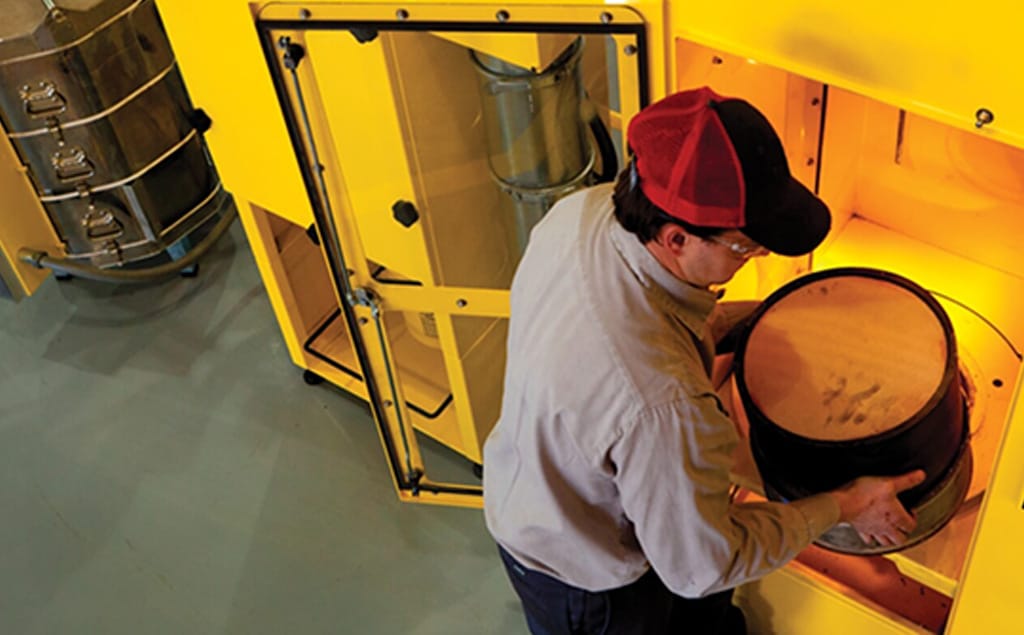
Професійні заклади використовують спеціалізоване обладнання. Ці методи забезпечують довговічність трикомпонентний каталітичний нейтралізатор і фільтр.
Системи водного очищення
Ці системи використовують воду та спеціалізовані миючі засоби. Вони змивають сажу та попіл з каналів фільтра. Попереднє замочування розм'якшує затверділі відкладення. Процес зазвичай триває кілька годин. Він дуже ефективний для блоків нестандартної форми та інтегрованих... трикомпонентний каталітичний нейтралізатор житла.
Термічна «випічка та видування»
Це традиційний промисловий метод. Техніки поміщають фільтр у високотемпературну піч. Тепло окислює сажу, перетворюючи її на попіл. Після цього пневматичне обладнання видуває попіл. Цей процес зазвичай триває 24 години. Він дуже ефективний для потужних DPF-фільтрів.
Ультразвукове очищення
Ця технологія використовує звукові хвилі в рідинній ванні. Хвилі створюють мікроскопічні бульбашки, які вибухають. Ця дія видаляє попіл з глибоких пор фільтра. Вона дбайлива до основи, але вимагає дорогого обладнання. Цей метод чудово підходить для чутливих поверхонь. трикомпонентний каталітичний нейтралізатор структури.
Impact of Fuel Quality on Catalyst Longevity
Склад палива безпосередньо визначає стан трикомпонентного каталітичного нейтралізатора. Свинець і фосфор є відомими «каталітичними отрутами». Вони покривають дорогоцінні метали та запобігають хімічним реакціям. Навіть невелика кількість цих речовин завдає непоправних пошкоджень.
Паливо з високим вмістом сірки також перешкоджає зберіганню кисню всередині трикомпонентний каталітичний нейтралізаторЦе втручання призводить до підвищення рівня викидів та невдалих перевірок. Використовуючи високоякісний бензин стандарту Tier 3, ви продовжуєте термін служби як GPF, так і трикомпонентного каталітичного нейтралізатора.
General Guidelines for Cleaning Intervals
Наведені нижче дані представляють середні періоди обслуговування для різних профілів водіння.
| Профіль водіння | Рекомендований інтервал очищення | Ключові показники |
|---|---|---|
| Автомагістраль/далекі відстані | 150 000 – 200 000 миль | Великий пробіг, природна регенерація |
| Змішане використання | 100 000 – 150 000 миль | Стандартний графік технічного обслуговування |
| Місто/Коротка поїздка | 50 000 – 80 000 миль | Часта активна регенерація, низький рівень пального |
| Важкий/важкий режим роботи | 6 – 12 місяців | Велика кількість годин простою, втрата потужності |
Signs Your System Needs Professional Service
Ви повинні розпізнати симптоми несправності вихлопної системи.
- Сигнальні індикатори на панелі приладів: Індикатор DPF/GPF або індикатор перевірки двигуна (CEL) сигналізує про проблему.
- Зниження продуктивності двигуна: Ви помітите втрату потужності під час розгону.
- Збільшена витрата палива: Протитиск змушує двигун працювати інтенсивніше. Це призводить до марнування палива.
- Часті цикли регенерації: Якщо автомобіль намагається регенеруватися кожні кілька миль, фільтр, ймовірно, повний попелу.
- Рідкі запахи: Гарячий або горілий запах часто свідчить про проблеми трикомпонентний каталітичний нейтралізатор.
Висновок
Підтримка трикомпонентний каталітичний нейтралізатор а фільтр твердих частинок життєво важливий для здоров'я сучасного автомобіля. Сажа та попіл є неминучими побічними продуктами згоряння. Однак проактивне очищення запобігає дорогим замінам та пошкодженню двигуна. Більшість автомобілів потребують професійної уваги між 100 000 та 150 000 миль пробігу. Суворі умови водіння значно скоротять цей період. Уникайте ризикованих методів самостійного очищення, таких як миття під тиском. Натомість оберіть професійне водне або термічне очищення, щоб забезпечити цілісність вашого автомобіля. трикомпонентний каталітичний нейтралізаторРегулярне технічне обслуговування заощаджує гроші, захищає навколишнє середовище та підтримує ваш автомобіль у робочому стані.