Вступ
The трикомпонентний каталітичний нейтралізатор plays a central role in modern emission control systems. Every gasoline vehicle depends on it. This device reduces harmful exhaust gases before they enter the atmosphere. Governments require it. Automakers engineer around it. Recycling industries value it.
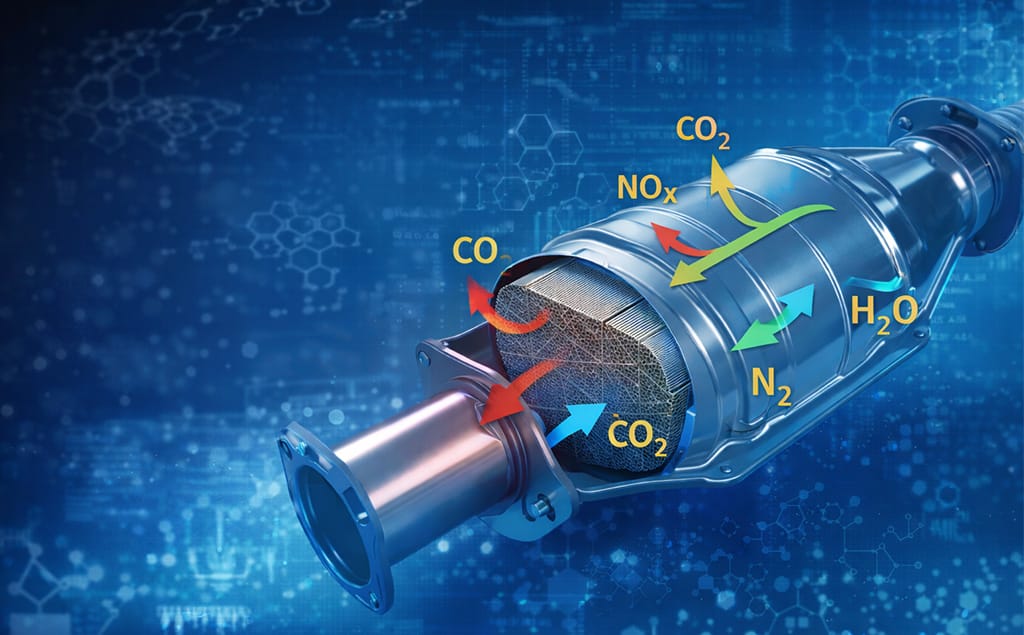
А трикомпонентний каталітичний нейтралізатор does not rely on a single reaction. It operates through multiple stages. Each stage targets specific pollutants. It converts nitrogen oxides (NOx), carbon monoxide (CO), and hydrocarbons (HC) into safer gases.
This article explains the internal structure, chemical reactions, metal composition, regulatory framework, and recycling process of the three way catalytic converter. It presents the system in a clear scientific format.
Що таке трикомпонентний каталітичний нейтралізатор?
А трикомпонентний каталітичний нейтралізатор is an emission control device installed in the exhaust line of gasoline vehicles. It converts three major pollutants into less harmful gases.
It performs:
- Зменшення викидів оксидів азоту (NOx)
- Окислення чадного газу (CO)
- Окиснення вуглеводнів (HC)
It uses redox reactions. Precious metals accelerate these reactions. The converter does not burn pollutants. It transforms them chemically.

Position in the Exhaust System
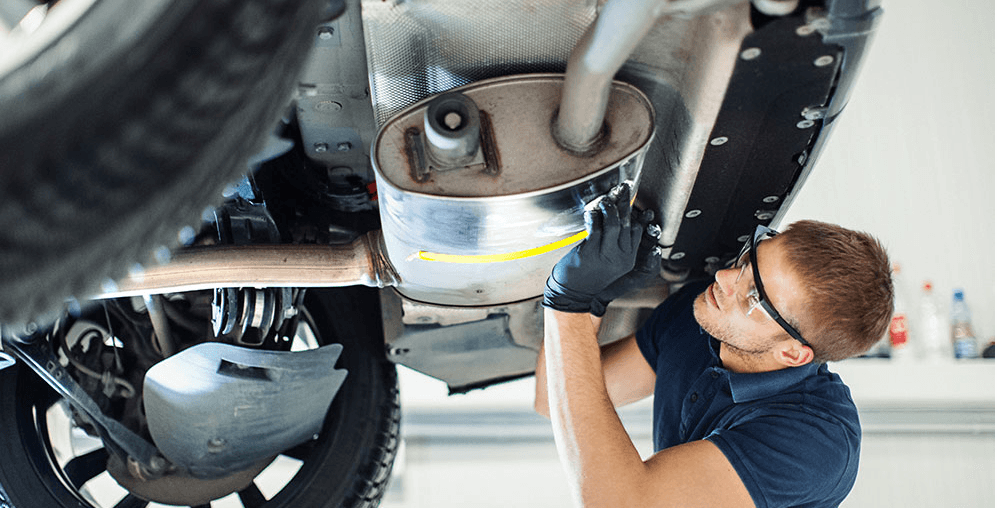
The трикомпонентний каталітичний нейтралізатор sits between the engine and the muffler. Exhaust gases leave the combustion chamber at high temperature. They immediately enter the converter.
Inside the unit, gases pass through a honeycomb substrate. The catalyst coating reacts with the pollutants. Cleaned gases then exit through the tailpipe.
Without this device, vehicles would emit toxic gases at dangerous levels.
The Three Pollutants Controlled
| Забруднювач | Джерело | Вплив на навколишнє середовище |
|---|---|---|
| Чадний газ (CO) | Incomplete combustion | Toxic to humans |
| Вуглеводні (ВГ) | Unburned fuel | Forms ground-level smog |
| Оксиди азоту (NOx) | High combustion temperature | Causes acid rain and smog |
The трикомпонентний каталітичний нейтралізатор addresses all three simultaneously.
Multi-Stage Structure of a Three Way Catalytic Converter
Modern systems operate in coordinated stages. Each stage performs a specific function.
Stage One: Reduction of Nitrogen Oxides
The first stage removes oxygen from nitrogen oxides.
Active Metal: Rhodium (Rh)
Rhodium drives the reduction reaction. It separates nitrogen atoms from oxygen atoms.
Reaction:
NOx → N₂ + O₂
Nitrogen releases as harmless nitrogen gas. Oxygen becomes available for later oxidation reactions.
This stage significantly reduces smog formation.
Stage Two: Oxidation of Carbon Monoxide and Hydrocarbons
The second stage adds oxygen to toxic gases.
Active Metals: Platinum (Pt) and Palladium (Pd)
These metals promote oxidation reactions.
Reactions:
CO + O₂ → CO₂
HC + O₂ → CO₂ + H₂O
Carbon monoxide becomes carbon dioxide.
Hydrocarbons convert into carbon dioxide and water vapor.
These reactions require precise oxygen levels.
Stage Three: Closed-Loop Control System
The third stage involves electronic monitoring. It ensures maximum efficiency.
Oxygen Sensor Function
An oxygen sensor measures exhaust composition.
It sends real-time data to the engine control unit (ECU).
The ECU adjusts the air-fuel ratio.
The system maintains the stoichiometric ratio of 14.7:1 for gasoline engines.
This ratio allows the трикомпонентний каталітичний нейтралізатор to operate at peak efficiency.
Internal Anatomy of a Three Way Catalytic Converter
Understanding the structure explains its performance.
1. Outer Shell
Manufacturers build the housing from stainless steel.
It resists corrosion and extreme heat.
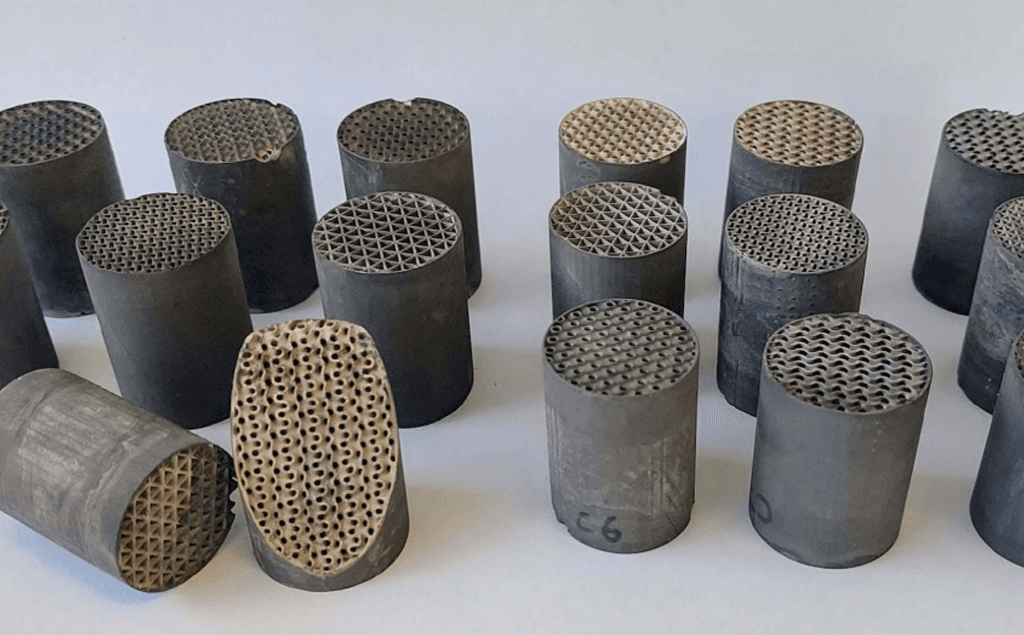
2. Substrate (The Core Brick)
The substrate forms the heart of the трикомпонентний каталітичний нейтралізатор.
Two common types exist:
| Тип | Матеріал | Переваги |
|---|---|---|
| Ceramic | Cordierite | Cost-effective, stable |
| Metallic | FeCrAl alloy | Better thermal shock resistance |
The honeycomb design increases surface area.
More surface area allows more reactions.
3. Washcoat Layer
Engineers apply a porous aluminum oxide washcoat.
It multiplies surface area.
It disperses catalyst metals evenly.
4. Catalyst Layer
Platinum, palladium, and rhodium embed into the washcoat.
These metals trigger redox reactions.
They determine the converter’s value.

Why Precious Metals Matter
The трикомпонентний каталітичний нейтралізатор depends on platinum group metals (PGMs).
| Метал | Основна функція | Market Importance |
|---|---|---|
| Платина | Oxidation & reduction | Industrial demand |
| Паладій | Hydrocarbon oxidation | Automotive heavy use |
| Родій | Зменшення викидів NOx | Highest market price |
Rhodium handles NOx reduction uniquely. No substitute performs as effectively.
Metal loading varies by converter type.
OEM vs Aftermarket Metal Loading
| Функція | OEM Converter | Aftermarket Converter |
|---|---|---|
| Вміст дорогоцінних металів | Високий | Нижня |
| Показники викидів | Покращений | Moderate |
| Lifespan | Longer | Shorter |
| Recycling Value | Високий | Нижня |
OEM units contain higher rhodium concentration.
Aftermarket units reduce cost by lowering PGM content.

Chemical Laboratory Under the Vehicle
The трикомпонентний каталітичний нейтралізатор functions like a high-temperature reactor.
Optimal Temperature Range:
400°C – 800°C
Below this range, reactions slow down.
Above it, substrate damage may occur.
Cold starts create the highest emissions.
Manufacturers design warm-up strategies to reduce this effect.
What Happens When a Three Way Catalytic Converter Fails?
Failure occurs when:
- The honeycomb melts
- The substrate cracks
- Fuel mixture runs too rich
- Oil contamination poisons the catalyst
Symptoms include:
- Reduced acceleration
- Increased fuel consumption
- Engine overheating
- Failed emissions test
- P0420 or P0430 diagnostic codes
Drivers often replace failed units with aftermarket converters. However, OEM replacements deliver better long-term compliance.
Regulatory Requirements
The United States requires emission compliance under EPA regulations.
Two standards dominate:
| Стандартний | Region | Strictness |
|---|---|---|
| EPA | Most U.S. states | Federal baseline |
| CARB | California & select states | Stricter limits |
Сумісний з CARB трикомпонентні каталітичні нейтралізатори must meet tighter NOx thresholds.
Each legal converter must include:
- Serial number
- Маркування
- Installation documentation
- Гарантія
Non-compliant products risk legal penalties.
Recycling Value of the Three Way Catalytic Converter
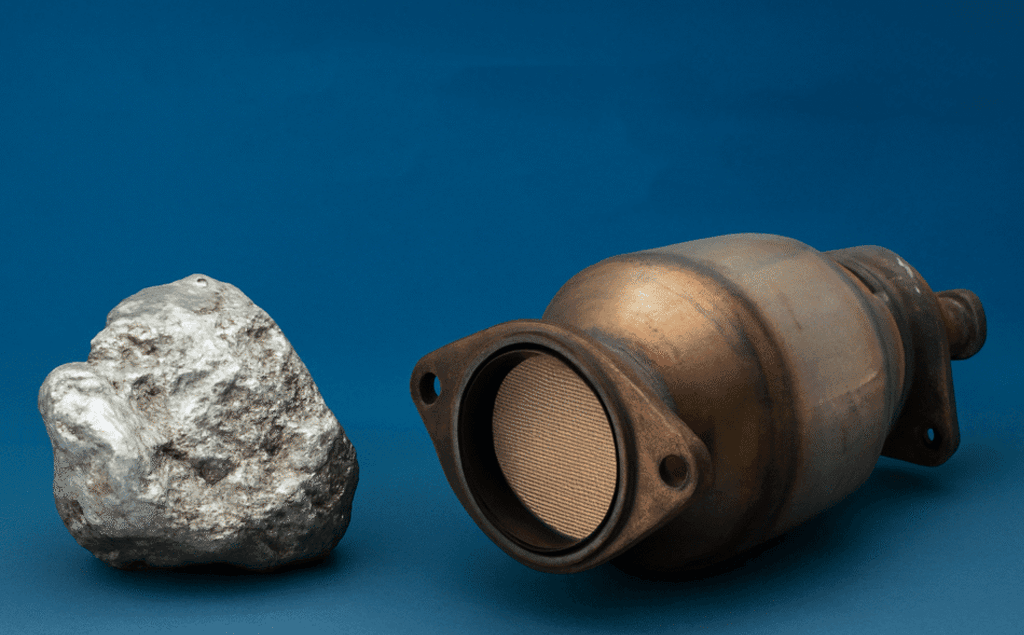
The трикомпонентний каталітичний нейтралізатор contains recoverable platinum group metals.
Global Demand Distribution (2024 Approximation)
| Метал | % Used in Autocatalysts |
|---|---|
| Платина | ~84% |
| Паладій | ~42% |
| Родій | ~89% |
Autocatalysts represent the dominant demand segment.
Recycling Process Overview
- Collection from scrap yards
- Grading by type
- Decanning and crushing
- Sampling and assaying
- Metal recovery via refining
Toll refining ensures accurate payout.
XRF and ICP testing determine metal concentration.
Переробка зменшує тиск на видобуток корисних копалин.
Це підтримує стійкі ланцюги поставок.
Додаткова інформація: Чому багатоетапне проектування підвищує ефективність
Одноступінчасті нейтралізатори не можуть впоратися з коливаннями вихлопних газів.
Багатоетапний трикомпонентні каталітичні нейтралізатори реакції рівноваги.
Відновлення вимагає низького вмісту кисню.
Для окислення потрібен доступний кисень.
Кисневий датчик підтримує рівновагу.
Таке динамічне керування підвищує загальну ефективність перетворення до понад 95% за оптимальних умов.
Додаткова інформація: Майбутнє трикомпонентного каталітичного нейтралізатора
Гібридні автомобілі все ще покладаються на двигуни внутрішнього згоряння.
Таким чином, трикомпонентний каталітичний нейтралізатор залишається важливим.
Майбутні вдосконалення зосереджені на:
- Швидше вимкнення світла
- Менше завантаження дорогоцінних металів
- Покращена довговічність
- Відповідність стандарту Євро-7
Електрифікація поступово знижує попит.
Однак бензинові двигуни використовуватимуть ще десятиліттями.
Висновок
The трикомпонентний каталітичний нейтралізатор залишається однією з найважливіших технологій зниження викидів в автомобілебудуванні. Вона зменшує вміст оксидів азоту, чадного газу та вуглеводнів шляхом скоординованих реакцій відновлення та окислення. Для прискорення цих хімічних процесів вона використовує платину, паладій та родій.
Його багатоступенева структура забезпечує високу ефективність за різних умов роботи двигуна. Нормативні стандарти продовжують посилюватися. Ринки переробки продовжують зростати. Обидві тенденції підвищують його важливість.
Розуміння трикомпонентний каталітичний нейтралізатор допомагає виробникам, переробникам, регуляторам та споживачам приймати обґрунтовані рішення. Цей пристрій захищає якість повітря, підтримує дотримання нормативних вимог та сприяє глобальній сталості.