Modern diesel engines are cleaner and more efficient than ever, and a key component responsible for this transformation is the Diesel Particulate Filter (DPF). This vital part of your vehicle’s exhaust system is crucial for reducing harmful emissions and ensuring compliance with environmental standards. However, many diesel owners are unfamiliar with what a DPF is, how it works, and the maintenance it requires. This article will delve into every aspect of the diesel particulate filter, from its groundbreaking history to the intricate process of regeneration, and provide essential tips to keep it functioning optimally, saving you from costly repairs and contributing to a healthier planet.
What is a Diesel Particulate Filter (DPF) and Why is it Essential?
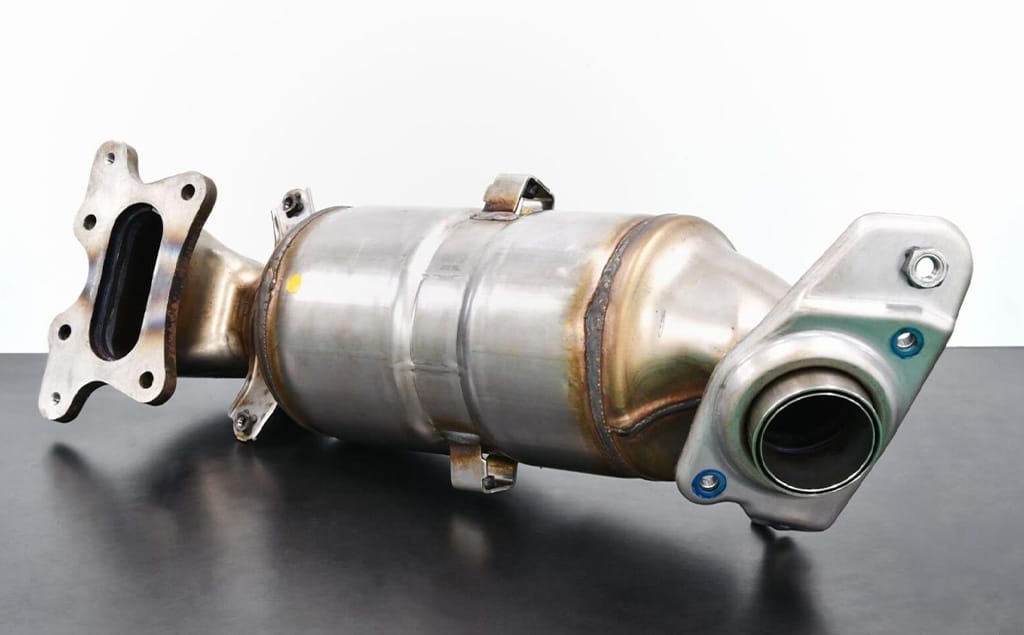
A diesel particulate filter (DPF) is a device integrated into the exhaust system of a diesel vehicle designed to capture and remove diesel particulate matter, more commonly known as soot, from the exhaust gases. Think of it as a highly sophisticated trap for the harmful particles produced during the combustion of diesel fuel. The primary purpose of a DPF is to significantly reduce the amount of toxic emissions released into the atmosphere, thereby minimizing air pollution. These filters are so effective that they can remove 85% or more of the soot, and in some cases, can approach 100% efficiency. Without a DPF, diesel engines would emit a visible cloud of black smoke, which is not only unsightly but also poses serious health and environmental risks.
The introduction of the DPF has been a game-changer for the diesel engine, allowing it to meet increasingly stringent emission standards set by regulatory bodies like the U.S. Environmental Protection Agency (EPA). Essentially, the DPF has made the modern diesel engine a much cleaner technology. It plays a crucial role in improving air quality and public health by trapping carcinogenic and respiratory-irritating particles. By preventing these harmful pollutants from entering the air we breathe, the DPF is an indispensable component for any modern diesel vehicle, contributing to a more sustainable and environmentally friendly automotive industry.
A Brief History: The Evolution of the Diesel Particulate Filter
The journey of the diesel particulate filter began in the 1970s, spurred by growing concerns over the health impacts of inhaling diesel particulates. The initial concepts of particulate filtration for diesel exhaust emerged in the mid-20th century as the adverse effects of diesel emissions became more apparent. Early versions of these filters were rudimentary, often relying on basic mesh screens or ceramic materials that were only partially effective at capturing larger soot particles. The first commercial applications of DPFs appeared in the early 1980s, with Mercedes-Benz equipping some of their cars sold in California with these devices in 1985. However, these early passively regenerated, catalyzed filters faced technical challenges, including a lack of mechanical durability and issues with clogging, which led to them being withdrawn from the market.
The 1980s marked a significant turning point in the development of DPF technology, with researchers focusing on more sophisticated filtration systems. Catalyst-coated ceramic filters emerged as a promising solution, as they could not only trap particulate matter but also help convert it into less harmful substances through oxidation. The real push for widespread DPF adoption came with the introduction of stricter emission regulations, such as the Euro 5 standards in Europe in 2009, which effectively made DPFs mandatory for new diesel cars. In 2000, PSA Peugeot Citroën became the first manufacturer to make filters standard on passenger cars in anticipation of these future regulations. This regulatory pressure fueled innovation, leading to the highly efficient and durable DPFs that are standard in today’s diesel vehicles.
How Does a DPF Work to Trap Soot and Reduce Emissions?
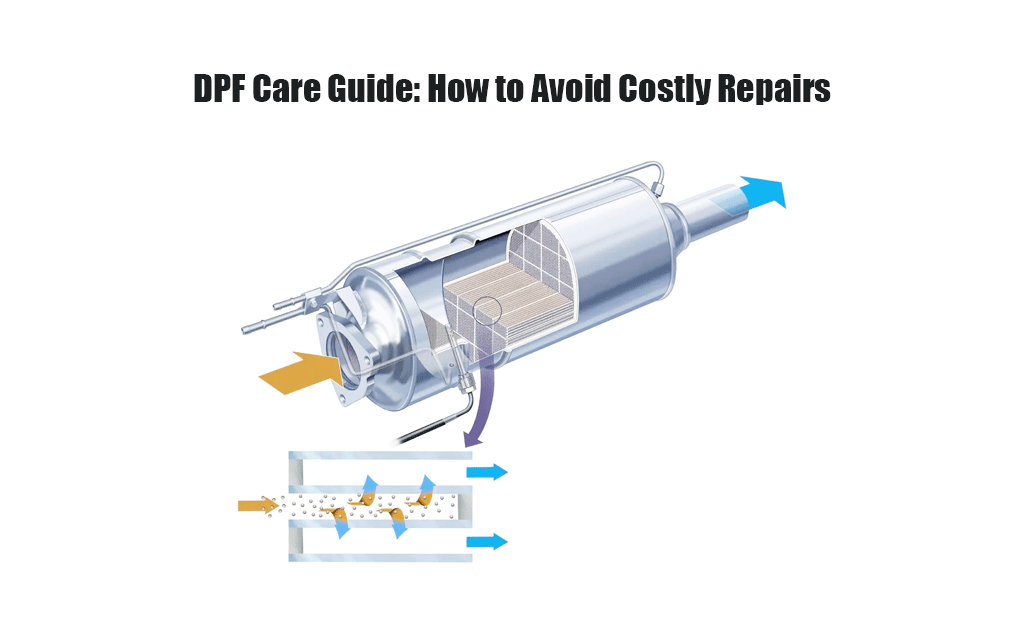
A diesel particulate filter functions by physically trapping soot particles as the exhaust gases from the engine pass through it. The DPF is typically made from a ceramic material, such as cordierite or silicon carbide, and has a honeycomb-like structure with microscopic pores. This structure forces the exhaust gas to flow through the porous walls of the filter, which capture and store the solid particulate matter. Unlike a catalytic converter, which is a flow-through device, a DPF is a wall-flow filter, meaning it retains the larger exhaust gas particles while allowing the gases to exit. This filtration process is incredibly effective, capturing a significant portion of the harmful soot produced by the diesel engine.
Over time, the trapped soot accumulates inside the filter, which, if left unchecked, would lead to a blockage and increased backpressure in the exhaust system. This backpressure can negatively impact engine performance and fuel efficiency. To prevent this, the DPF must undergo a process called regeneration, where the collected soot is burned off at high temperatures and converted into a small amount of ash and harmless carbon dioxide. This self-cleaning mechanism is crucial for the DPF to continue functioning effectively and is a key aspect of its design and operation.
What is DPF Regeneration and Why is it so Important?
DPF regeneration is the process of burning off the accumulated soot that has been trapped by the filter. This is a vital self-cleaning mechanism that prevents the DPF from becoming clogged, which would otherwise lead to a loss of engine power, reduced fuel economy, and potentially expensive engine damage. During regeneration, the temperature of the exhaust gases is raised to a level high enough (at least 600°C) to incinerate the trapped soot particles, converting them into a much smaller volume of ash. This process is essential for maintaining the efficiency of the DPF and ensuring that it can continue to effectively capture harmful particulate matter.
If the regeneration process is not completed regularly, the DPF can become blocked with soot. When this happens, a warning light will typically illuminate on the dashboard to alert the driver. Ignoring this warning can lead to a more severe blockage that may require a forced regeneration by a mechanic or even a complete replacement of the DPF unit, which can be a very costly repair. Therefore, understanding and facilitating the regeneration process is crucial for the long-term health of your diesel vehicle’s emission control system.
Are There Different Types of DPF Regeneration?
Yes, there are three main types of DPF regeneration: passive, active, and forced. Passive regeneration occurs naturally when the vehicle is driven at sustained high speeds, such as on a motorway. During this type of driving, the exhaust temperature is high enough to automatically burn off the trapped soot without any intervention from the engine’s control unit (ECU). However, for vehicles that are frequently driven on short trips or in city traffic, passive regeneration may not occur often enough to keep the DPF clear.
This is where active regeneration comes in. When the ECU detects that the DPF has reached a certain level of soot accumulation (typically around 45%), it will trigger an active regeneration cycle. This involves injecting a small amount of extra fuel into the engine, which raises the exhaust temperature to the level required to burn off the soot. This process happens automatically without the driver needing to do anything. If both passive and active regeneration fail to clear the blockage, a forced regeneration may be necessary. This is a process that must be carried out by a mechanic using diagnostic equipment to manually initiate the regeneration cycle in a workshop setting.
What are the Telltale Signs of a Clogged or Failing DPF?
A clogged or failing diesel particulate filter can present several noticeable symptoms that should not be ignored. One of the most common signs is the appearance of a DPF warning light on your dashboard. This is a clear indication that the filter is not regenerating properly and requires attention. Another common symptom is a noticeable loss of engine power and sluggish acceleration. This happens because a blocked DPF restricts the flow of exhaust gases, which in turn affects the engine’s performance.
You might also notice a significant decrease in fuel efficiency, as the engine has to work harder to push the exhaust gases through the clogged filter. In some cases, you may see an increase in smoke coming from the exhaust, which can be darker and thicker than usual. Other potential signs include difficulty starting the engine, a rough idle, and even a strong, unpleasant smell from the exhaust. If you experience any of these symptoms, it is crucial to have your vehicle inspected by a qualified mechanic as soon as possible to prevent further damage.
How Can Driving Habits Affect the Health of Your DPF?
Your driving habits can have a significant impact on the health and longevity of your diesel particulate filter. DPFs are best suited for vehicles that are regularly driven at sustained high speeds, such as on motorways, as this allows for passive regeneration to occur naturally. If you primarily use your diesel vehicle for short trips or stop-start city driving, the exhaust system may not reach a high enough temperature to initiate and complete a regeneration cycle. This can lead to a gradual buildup of soot in the DPF, eventually causing it to become clogged.
To help maintain a healthy DPF, it is recommended to take your vehicle for a longer drive at a consistent speed on a regular basis, for example, a 30 to 50-minute run on a motorway or A-road. This will give the DPF an opportunity to regenerate and burn off the accumulated soot. Limiting the amount of time your engine spends idling can also be beneficial, as idling produces soot without generating the heat needed for regeneration. By being mindful of your driving habits, you can help to prevent DPF problems and avoid the need for costly repairs.
What is Involved in DPF Cleaning and Maintenance?
Proper maintenance is key to ensuring the longevity and effectiveness of your diesel particulate filter. While the regeneration process is designed to be largely automatic, there are times when manual cleaning may be necessary, especially if the DPF becomes severely blocked with soot and ash. Ash is a byproduct of the regeneration process and, unlike soot, cannot be burned off. Over time, this ash will accumulate in the filter and will need to be professionally removed. Most manufacturers recommend cleaning the DPF at specific intervals, such as every 100,000 miles, but this can vary depending on the vehicle and its usage.
There are several methods for cleaning a DPF. One common method is to use a chemical DPF cleaner, which is a liquid additive that is poured into the fuel tank. These cleaners work by lowering the temperature at which soot combusts, making it easier for the DPF to regenerate. For more stubborn blockages, off-vehicle cleaning may be required. This involves removing the DPF from the vehicle and using specialized equipment, such as high-pressure air or a thermal oven, to thoroughly remove the soot and ash. Regular professional cleaning can restore the DPF to near-new condition and is a much more cost-effective option than a full replacement. A replacement DPF can cost anywhere from $1,000 to over $10,000 depending on the vehicle.
What are the Legal and Environmental Consequences of DPF Removal?
Due to the potential for costly repairs, some vehicle owners may be tempted to illegally remove the diesel particulate filter from their vehicle, a process often referred to as a “DPF delete.” However, doing so has significant legal and environmental consequences. In most countries, it is illegal to tamper with or remove any part of a vehicle’s emission control system. Driving a vehicle that has had its DPF removed can result in hefty fines, failed emissions tests, and could even invalidate your vehicle’s insurance. Garages that perform DPF removals can also face legal action for violating environmental regulations.
From an environmental perspective, removing a DPF is highly detrimental. Without the filter, a diesel engine will emit a much higher level of harmful particulate matter and other pollutants into the atmosphere. This contributes to air pollution, which has been linked to a range of health problems, including respiratory illnesses and cardiovascular disease. The DPF is a crucial technology for mitigating the negative environmental and health impacts of diesel engines. Therefore, maintaining a functional DPF is not only a legal requirement but also a responsible choice for protecting the environment and public health.
The Future of Diesel Emission Control: What Lies Ahead?
The technology behind diesel emission control is constantly evolving in response to ever-stricter environmental regulations. While the diesel particulate filter has been a major step forward, the industry is continually working on new and improved ways to make diesel engines even cleaner and more efficient. The future of diesel emission control will likely involve a combination of advanced after-treatment technologies, cleaner fuels, and innovative engine designs.
Some of the technologies that are being developed and refined include more sophisticated Selective Catalytic Reduction (SCR) systems, which are used to reduce nitrogen oxide (NOx) emissions, and Lean NOx Traps (LNTs). The integration of these systems with DPF technology is leading to the development of more compact and efficient emission control systems. Furthermore, advancements in areas like hybrid diesel-electric systems and alternative fuels such as biofuels and dimethyl ether are also being explored as ways to further reduce the environmental impact of diesel engines. As we move towards a more sustainable future, the focus on developing cleaner diesel technology will undoubtedly continue to intensify.
Key Takeaways:
- A Diesel Particulate Filter (DPF) is a critical component of a modern diesel vehicle’s exhaust system that traps and removes harmful soot from the exhaust gases.
- The DPF requires a process called regeneration to burn off the accumulated soot and prevent it from becoming clogged.
- Driving habits, particularly frequent short trips, can hinder the regeneration process and lead to DPF problems.
- Signs of a clogged DPF include a warning light on the dashboard, loss of power, reduced fuel efficiency, and increased smoke from the exhaust.
- Regular maintenance, including professional cleaning, is essential for the long-term health of your DPF and can prevent the need for a costly replacement.
- Removing a DPF is illegal in most places and has serious negative consequences for the environment and public health.
- The future of diesel emission control will likely involve a combination of advanced technologies to make diesel engines even cleaner and more efficient.