1. Core Comparison: Universal vs. Direct-Fit Catalytic Converters for Importers
The choice between universal and direct-fit 3-way catalytic converters presents a critical strategic decision for importers, impacting everything from product design and manufacturing to inventory management and market positioning. Understanding their fundamental differences is paramount.
Design and Manufacturing Differences:
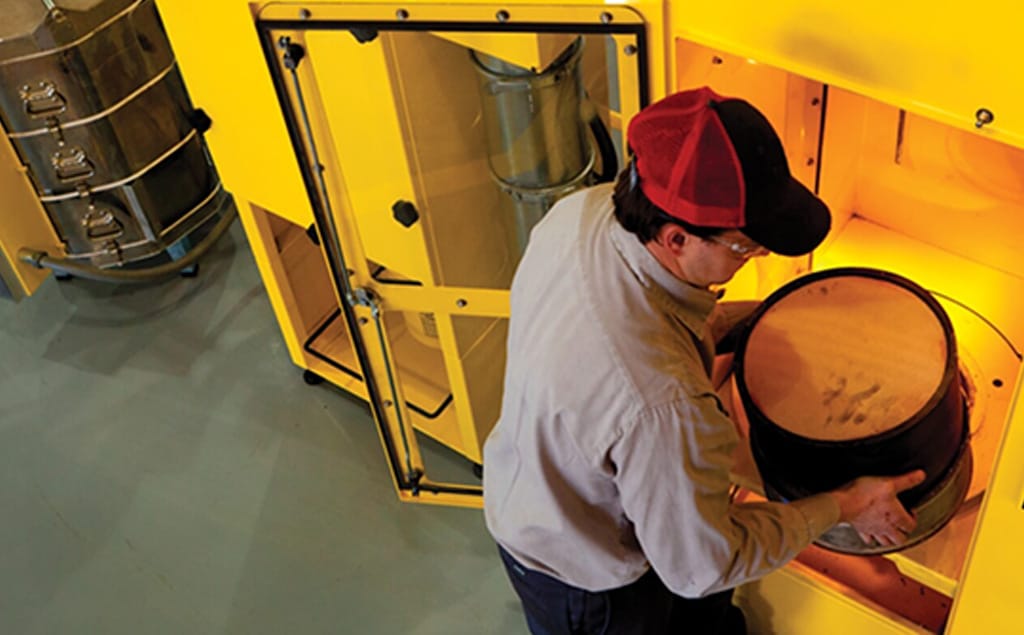
- Direct-fit converters are engineered to precisely match Original Equipment Manufacturer (OEM) specifications for a particular vehicle make, model, and year. This ensures a “bolt-on” installation, often including all necessary accessories like flanges and brackets, requiring minimal or no modifications to the vehicle’s exhaust system 1. Their manufacturing process often involves robotic welding cells to ensure precision and consistency in assembly 11.
- Universal converters, conversely, are designed for broader compatibility across a range of vehicles. Their installation typically necessitates cutting, welding, and significant adjustments to the existing exhaust system 1. These converters may also require the separate purchase and assembly of vehicle-specific components 3.

Material Composition and Production:
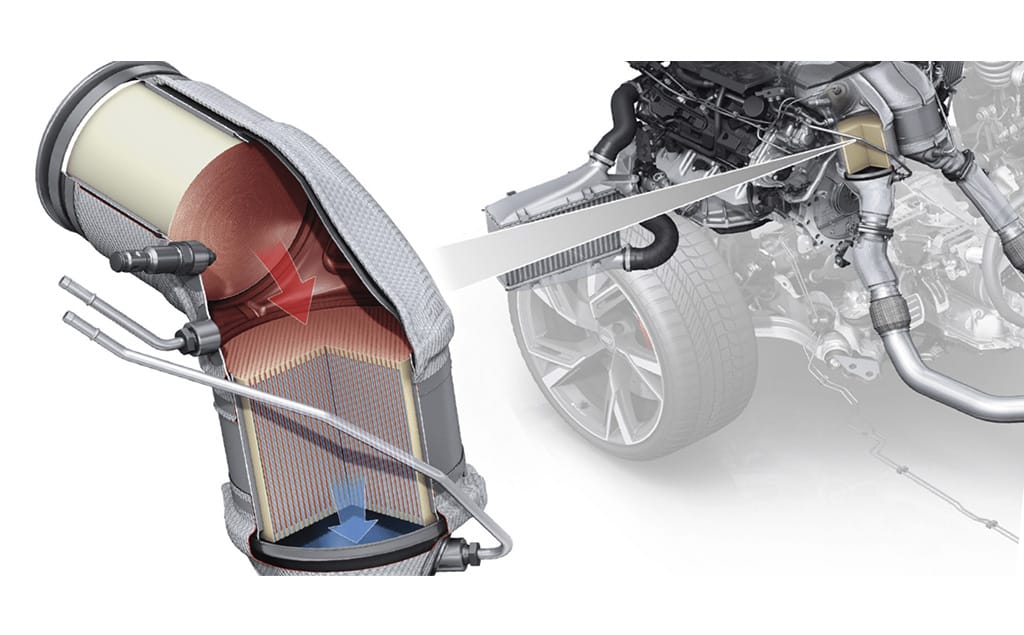
Both types of converters utilize a substrate, typically ceramic (cordierite) or metallic (Fe-Cr-Al alloys), coated with a washcoat containing precious metals such as platinum (Pt), palladium (Pd), and rhodium (Rh) 5. The washcoat, often composed of materials like aluminum oxide, silicon oxide, titanium dioxide, cerium dioxide, and zirconium oxide, increases the surface area for catalytic reactions and provides thermal stability 7. Modern converters feature increased cell density (from 200 cpsi to potentially 1200 cpsi) with thinner walls to enhance efficiency and reduce light-off time 8. The manufacturing process involves applying a washcoat slurry to the substrate, followed by drying, calcining, and then impregnating the precious metals 9. High-volume production often employs robotic handling and automated coating machines 10. Inferior converters may contain substandard precious metal content, leading to illegal emissions levels 5.
Functional Differences and Performance Impact:
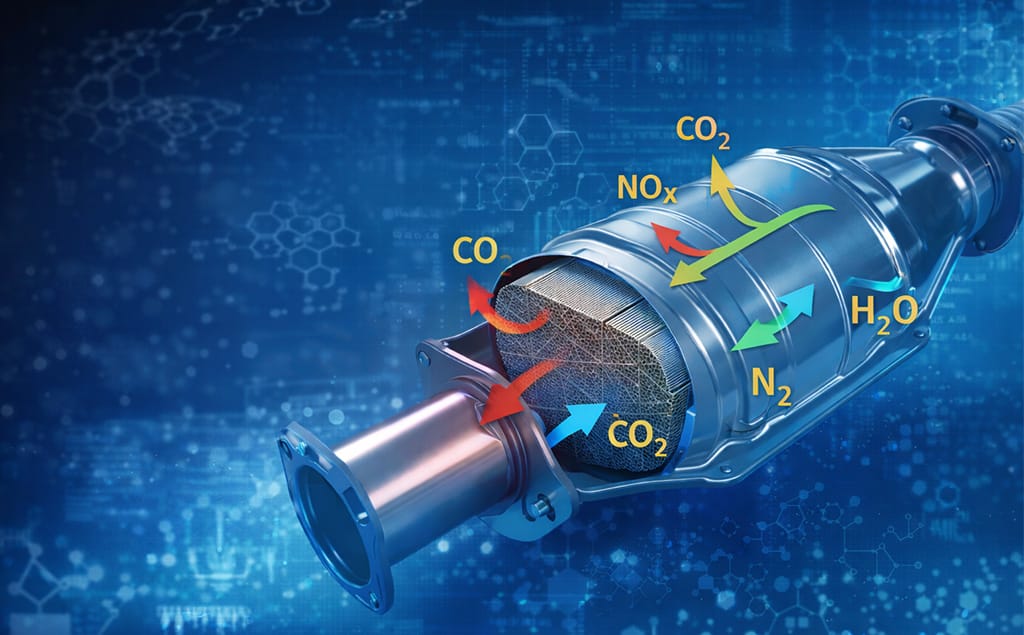
Catalytic converters function by converting harmful pollutants (carbon monoxide, nitrogen oxides, and hydrocarbons) into less harmful substances like carbon dioxide, water, and nitrogen 2. Three-way converters, prevalent since the 1980s, achieve this by storing and releasing oxygen as needed 2. While both universal and direct-fit converters aim to achieve this, universal options can hinder the effectiveness of a custom exhaust system, potentially affecting overall engine performance and efficiency compared to direct-fit options optimized for specific vehicle flow dynamics 4.
Advantages and Disadvantages from an Importer’s Perspective:
- Inventory Management:
- Direct-fit: Requires a significantly broader range of Stock Keeping Units (SKUs) due to their vehicle-specific designs. This can lead to higher inventory holding costs, increased complexity in forecasting demand for individual parts, and a greater risk of obsolescence for less popular models 22.
- Universal: Offers substantial SKU consolidation, as a single universal part can serve multiple applications. However, this advantage is partially offset by the need to stock a variety of additional components (e.g., pipes, flanges, hangers) required for proper fitment across different vehicles 22.
- Sourcing Complexity:
- Direct-fit: Sourcing can be more complex due to the need for precise OEM matching and potentially higher tooling costs for manufacturers. Importers must ensure suppliers have the capability to produce a wide array of specific designs 11.
- Universal: Sourcing might appear simpler due to fewer unique part numbers, but ensuring consistent quality and performance across a broad range of applications from a single universal design can be challenging. The onus shifts to the installer to ensure proper fitment and performance.
- Initial Unit Cost:
- Universal: Generally less expensive to purchase per unit than direct-fit converters 3. This lower upfront cost can be attractive for importers aiming for a cost-leadership strategy.
- Direct-fit: Typically more expensive due to the specialized design, engineering, and manufacturing processes tailored for specific vehicle applications 3.
Durability and Failure Modes:
Catalytic converters typically last around 100,000 miles 12. Failures can stem from clogging, reduced catalytic activity, or contamination from external sources like zinc and sulfur compounds from engine oil or fuel additives 12. A clogged converter can lead to exhaust back pressure, reduced engine power, and even engine damage 12. Overheating can melt the converter’s internal structure, further restricting exhaust flow 12. Compact converters, especially in downsized engines, face larger vibration forces, impacting durability 13. Design considerations for durability include mat erosion, stainless steel can/shell, and effective heat shields 13. Finite Element Analysis (FEA) models are used to simulate and evaluate the failure limits of mounting components, reducing the need for extensive physical testing 13.
2. Target Market & Regulatory Compliance Analysis
Defining the target market and understanding the intricate web of emissions regulations are critical for any importer of catalytic converters. These factors directly influence product specifications, market access, and overall business viability.
Target Market Definition:
The primary target market for aftermarket catalytic converters consists of owners of internal combustion engine (ICE) vehicles requiring replacement parts due to failure, damage, or theft. This market is characterized by:
- Vehicle Age: The average age of light-duty vehicles in the US is currently 12 years, and this trend is increasing, suggesting a sustained demand for aftermarket parts 148. This slow fleet turnover, with an annual scrappage rate of 4-5%, means conventionally powered vehicles will remain on the roads well into the 2030s and early 2040s, even with accelerated EV adoption 127.
- Vehicle Makes, Models, and Model Years: The specific makes and models that constitute the largest demand segments will vary by region. For instance, vehicles like the Toyota Prius and Ford F-Series are frequently targeted for catalytic converter theft due to their precious metal content, indicating a high replacement demand for these models 121. The market also includes a “long tail” of older, less common vehicles that still require replacement parts.
- Geographic Distribution: Asia-Pacific was the largest region in the catalytic converter market in 2024 and is projected to be the fastest-growing, while North America is also expected to experience rapid growth 16. This suggests diverse market opportunities but also varying regulatory landscapes.
Emissions Regulations: EPA, CARB, and Euro Standards:
Compliance with emissions regulations is non-negotiable for imported catalytic converters. The regulatory environment is complex, with federal, state, and international standards influencing product design and marketability.
- United States Regulations (EPA & CARB):
- Dual System: Aftermarket catalytic converters in the US are subject to either federal EPA standards or the more stringent California Air Resources Board (CARB) standards 42.
- CARB States: California, Colorado, and New York mandate CARB-compliant aftermarket catalytic converters for all model years. Maine requires them for California emissions-certified vehicles and model years 2001 and newer 42.
- EPA Enforcement Policy: The EPA’s enforcement policy for aftermarket catalytic converters, established in 1986 and implemented in 1988, prohibits the installation or sale of non-compliant converters 43. Violations can incur civil penalties up to $25,000 per improper installation 43. EPA requires manufacturers to demonstrate that their converters reduce engine out emissions by 30-70% for 25,000 miles 55.
- CARB Specifics: CARB-compliant converters must bear a permanently etched CARB Executive Order (EO) number, part number, date of manufacture, and flow direction arrow 46. This EO number can be verified on the CARB Aftermarket Parts Database 46. CARB mandates a warranty of 5 years or 50,000 miles, covering both parts and labor 48. For newer vehicles, converters must be compatible with OBD II catalyst monitors to prevent false fault codes 48. As of January 1, 2009, conventional pre-OBD II parts are no longer sold in California 49. Installation must be “one-for-one,” maintaining the original equipment configuration 48. For 2001 and newer CARB-certified vehicles, the Engine Family Number (EFN) from the Vehicle Emission Control Information (VECI) label is crucial for selecting the correct replacement 50.
- Compliance Procedures & Testing: Both EPA and CARB utilize specific test cycles. The Federal Test Procedure (FTP-75) simulates city driving, starting with a cold-start condition 57. Supplemental Federal Test Procedures (SFTP), including US06 (aggressive driving) and SC03 (air conditioning), are used for model year 2000 and newer vehicles 58. Converters must demonstrate durability through emission testing after aging to the equivalent of 50,000 miles, often using the CARB-modified RAT-A method 59.
- Emerging Trends: The Ozone Transport Commission (OTC) advocates for updating EPA’s policy to match CARB’s stricter standards and has proposed a Federal Aftermarket Catalytic Converter Program (FACCP) 44. Some states, like Maryland and New Jersey, are considering or have initiated rulemaking to adopt CARB-based regulations 45.
- European Emissions Standards (Euro 5 & Euro 6):
- Euro 5 (2009-2014): Focused on stricter limits for particulate matter (PM) for diesel vehicles.
- Euro 6 (2014-present): Further tightened NOx emissions, particularly for diesels, and introduced particulate number (PN) limits for petrol vehicles. This standard also introduced Real Driving Emissions (RDE) testing to ensure compliance under actual driving conditions, a significant departure from laboratory-only testing [Table: Comparative Analysis].
- Test Cycles: Euro 5/6 initially used the New European Driving Cycle (NEDC) but transitioned to the more representative Worldwide Harmonized Light Vehicle Test Procedure (WLTP) and RDE testing [Table: Comparative Analysis].
- Fuel Quality: European standards are supported by high-quality, low-sulfur fuels, which are crucial for catalyst longevity and performance [Table: Comparative Analysis].
- Compliance Pathways: Compliance typically involves type approval processes, requiring extensive testing and certification by authorized bodies [Table: Comparative Analysis].
- Feasibility of Cross-Market Sourcing: Direct cross-market sourcing between Euro and US markets is generally not feasible due to differing test cycles, emission limits, and regulatory frameworks. While some underlying catalyst technologies might be similar, the final product design and certification would need to be distinct [Table: Comparative Analysis].
- Mutual Recognition Agreements: Currently, there are no broad mutual recognition agreements between US and EU regulatory bodies for aftermarket catalytic converters, necessitating separate compliance pathways for each market [Table: Comparative Analysis].
Influence on Technical Specifications and Market Viability:
The stringent and divergent regulatory requirements directly dictate the technical specifications of imported converters. For instance, a converter designed for CARB compliance will likely have higher precious metal loading and a more robust design than a basic EPA-compliant universal converter, impacting manufacturing cost and pricing 5. Importers must decide whether to specialize in a single regulatory market (e.g., CARB-compliant for premium segments) or offer a broader range, each tailored to specific regional requirements. The trend towards stricter global emissions standards, including the upcoming Euro 7, will continue to drive demand for advanced, high-performance catalytic converters 15.
3. Import Strategy: Volume, Cost Leadership, and Quality Objectives
An importer’s strategic objectives—whether pursuing high volume with cost leadership or establishing a premium quality brand—profoundly influence the optimal sourcing channels, pricing models, and quality control measures for universal versus direct-fit converters.
Anticipated Import Volume and Market Growth:
The automotive catalytic converter market is experiencing robust growth, projected to increase from 176.45billionin2024to176.45billionin2024to188.6 billion in 2025 (CAGR of 6.9%) and further to 269.8billionin2029(CAGRof9.4269.8billionin2029(CAGRof9.466.08 billion in 2024 to 73.08billionin2025(CAGRof10.673.08billionin2025(CAGRof10.6115.29 billion in 2029 (CAGR of 12.1%) 16. This growth is fueled by environmental concerns, automotive industry expansion, evolving emission standards (including the shift to Euro 7), and increased vehicle ownership 15. Asia-Pacific is the largest and fastest-growing region, with North America also showing rapid growth 16.
Strategic Objectives and Their Dictates:
- Cost Leadership Strategy:
- Product Choice: Favors universal catalytic converters due to their lower initial unit cost 3.
- Sourcing Channels: High-volume, low-cost manufacturers, often in regions with lower labor and material costs. This necessitates rigorous supplier vetting to ensure minimum quality standards are met without compromising cost efficiency 61.
- Pricing Models: Aggressive pricing to capture market share, potentially relying on higher sales volumes to achieve profitability.
- Quality Control: Focus on basic compliance with EPA standards (where applicable) and essential functionality. Quality control protocols would emphasize efficient, high-volume inspection methods, potentially leveraging Statistical Process Control (SPC) for critical parameters 74. However, the risk of higher return rates due to fitment issues or lower durability must be factored into the cost model.
- Inventory Management: Emphasize demand forecasting models that can handle erratic and intermittent demand patterns common in the aftermarket 18. Strategies like Just-in-Time (JIT) delivery or cross-docking could be explored to minimize storage costs for high-volume universal parts 27.
- Premium Quality Brand Strategy:
- Product Choice: Leans heavily towards direct-fit catalytic converters, which offer superior fitment, performance, and often higher durability 1.
- Sourcing Channels: Manufacturers with proven track records in precision engineering, adherence to stringent quality management systems (e.g., IATF 16949, ISO 9001), and robust R&D capabilities 67. This may involve higher unit costs but ensures product integrity 69.
- Pricing Models: Premium pricing justified by superior quality, ease of installation, and reduced long-term issues for end-users.
- Quality Control: Implement comprehensive quality assurance agreements (QAAs) with suppliers, targeting zero defects 67. This includes rigorous incoming inspections of raw materials, detailed Standard Operating Procedures (SOPs) for manufacturing, and extensive pre-shipment inspections (PSI) 72. Third-party inspections and material traceability are crucial 73.
- Inventory Management: While direct-fit requires a wider SKU range, sophisticated ERP systems can manage this complexity, providing real-time traceability and optimizing inventory levels 22. Vendor-Managed Inventory (VMI) could be considered for key suppliers to ensure consistent supply of critical, high-value direct-fit units 29.
Key Considerations for Both Strategies:
- Supplier Vetting: A multi-faceted evaluation process is essential, considering product range, quality, customer service, pricing, reputation, and financial stability 61. Carter’s 10 C’s (Competency, Capacity, Commitment, Control, Cash, Cost, Consistency, Culture, Clean, Communication) provides a robust framework for assessment 64.
- Quality Control Protocols: Beyond initial vetting, continuous quality control is vital. This includes incoming inspections, in-process checks, and final product audits 72. For catalytic converters, verifying precious metal content is critical 5.
- Regulatory Compliance: Regardless of strategy, strict adherence to EPA, CARB, or Euro standards is paramount. This includes proper labeling (e.g., CARB EO numbers), documentation, and ensuring products meet performance and durability requirements 46.
- Intellectual Property (IP) Protection: Contractual clauses must address IP protection, especially when dealing with aftermarket parts that might mimic OEM designs. Importers must navigate trademark usage carefully to avoid misleading consumers and protect against counterfeiting, which is rampant in the aftermarket sector 8486.
- Supply Chain Resilience: Given global market volatility and potential disruptions, building resilient supply chains is crucial. This involves diversifying suppliers, implementing emergency plans with manufacturers, and leveraging technology for real-time tracking 27.
4. Installation Dynamics & End-User Experience
The choice between universal and direct-fit catalytic converters profoundly impacts the installation process and, consequently, the end-user experience. Importers must align their product offerings with the intended installation environment and acceptable complexity levels.
Intended Installation Environment:
- Professional Automotive Shops: This is the primary environment for both universal and direct-fit catalytic converter installations. Professional shops possess the necessary specialized tools, equipment, and skilled technicians.
- Universal Converters: Almost exclusively require professional installation due to the need for cutting, welding, and custom fitting 108. This demands skilled technicians proficient in welding (MIG or TIG) and exhaust system fabrication 110.
- Direct-Fit Converters: While simpler, professional installation is still often preferred, especially for complex vehicle models or when underlying engine issues need diagnosis 104.
- DIY Consumers:
- Direct-Fit Converters: Are generally suitable for DIYers with basic hand tools, as they are designed for bolt-on replacement 104. This appeals to cost-conscious consumers willing to perform their own repairs.
- Universal Converters: Are typically not suitable for DIY installation due to the specialized tools, skills, and safety considerations involved in cutting and welding exhaust components 108.
Acceptable Level of Installation Complexity:
- Direct-Fit: Offers the lowest complexity. The “bolt-on” nature minimizes labor time and the need for specialized fabrication 104. This translates to a quicker, more straightforward repair process.
- Universal: Involves a higher level of complexity. The installation steps include precise measuring and cutting of the exhaust pipe, careful positioning of the converter, welding to connect it to the existing pipes, and reconnecting oxygen sensors 113. This complexity increases the risk of improper installation if not performed by an experienced professional.
Impact on Labor Time:
- Direct-Fit: Typically takes 1 to 3 hours for experienced professionals, though this can vary from 45 minutes for simple models to 5 hours for luxury vehicles or complex systems 96. The ease of installation generally leads to lower labor costs for the end-user 104.
- Universal: Installation generally takes significantly longer due to the required cutting, welding, and custom fitting 94. Factors like vehicle make, model, and the presence of rust or corrosion can further extend installation time for both types, potentially doubling it in harsh conditions 96. Some vehicles with integrated exhaust manifold and catalytic converter assemblies can be replaced without cutting or welding, taking around 1 hour 12 minutes for a professional 124.
Impact on Specialized Tooling Requirements:
- Direct-Fit: Primarily requires basic hand tools such as wrenches, sockets, and potentially oxygen sensor removal tools 119. Some auto parts stores offer loaner tool programs for specialized tools, which can benefit DIYers 120.
- Universal: Necessitates specialized equipment, most notably welding equipment (MIG or TIG welders) 91103. A basic MIG welder setup can cost around 675,plusadditionalexpensesforgascylinders,wire,andsafetygear[91][104].Properventilationorfumeextractionsystemsarealsoessentialforindoorwelding,withsystemsstartingaround675,plusadditionalexpensesforgascylinders,wire,andsafetygear[91][104].Properventilationorfumeextractionsystemsarealsoessentialforindoorwelding,withsystemsstartingaround900 92. Exhaust pipe cutting tools are also required 118.
Overall End-User Experience:
- Direct-Fit: Generally leads to a superior end-user experience. The ease of installation, precise fit, and often higher performance (due to OEM-matching design) contribute to greater satisfaction. Lower labor costs for installation can also be a significant benefit 104.
- Universal: Can result in a more variable end-user experience. While the initial part cost is lower, the higher installation labor costs and the need for specialized skills can offset these savings 3. There’s also a higher potential for performance issues if not installed correctly 4. The end-user is more reliant on the installer’s expertise and equipment.
- Underlying Issues: Regardless of converter type, the end-user experience is heavily influenced by whether the underlying engine problems that caused the original converter failure are addressed. Issues like faulty oxygen sensors, misfires, or oil contamination must be resolved to prevent premature failure of the new converter 93.
- Check Engine Light: Aftermarket converters, especially lower-quality universal ones, may contain fewer precious metals, which can affect their ability to keep the check engine light off, leading to customer dissatisfaction 99. Some vehicles, particularly Toyotas, may require OEM parts to avoid persistent check engine lights 100.
Technician Preferences and Considerations:
Surveys indicate that a significant majority of technicians (87%) consider proper equipment a “must-have,” yet only 58% feel their shop provides it 107. This highlights a potential gap in the market for shops equipped to handle complex universal converter installations efficiently. Importers targeting professional installers should consider offering training or support for proper installation techniques, especially for universal products, to ensure customer satisfaction and reduce potential comebacks.
5. Risk Mitigation: Warranty, Return Rates, and Customer Satisfaction
Managing risks associated with product warranty provisions, anticipated return rates, and long-term customer satisfaction is paramount for importers of catalytic converters. The inherent characteristics of universal versus direct-fit converters significantly influence these critical business metrics.
Warranty Provisions and Expectations:
- Typical Warranty Duration: Catalytic converter warranties generally range from 1 to 5 years or 20,000 to 80,000 miles, depending on the manufacturer and intended use 108. Federal emissions warranties cover catalytic converters for 8 years or 80,000 miles 108.
- Coverage: Warranties typically cover manufacturing defects and premature failures not attributable to misuse or external factors 111. They may also include performance guarantees, ensuring the converter meets specific emissions reduction standards 111.
- Exclusions: Warranties usually exclude failures due to misuse, accidents, improper installation, use of leaded fuel, or issues caused by other engine components or poor maintenance 112. Theft is also generally not covered by product warranty but may be covered by comprehensive auto insurance 113.
- Aftermarket vs. OEM: Aftermarket converters are often more affordable but may have fitment issues, shorter lifespans, and might not meet the same performance standards as OEM parts 110. Higher-quality aftermarket brands like Magnaflow are noted for better performance 110.
Anticipated Return Rates and Failure Modes:
- Common Failure Signs: Decreased engine performance, increased fuel consumption, illuminated check engine light (e.g., P0420 or P0430 codes), a damaged or discolored exterior, rattling noises, or signs of clogging are common indicators of a failing converter 114.
- Root Causes of Failure (and Returns):
- Overheating: Excessive heat from engine problems (e.g., faulty fuel mixture, misfires) can damage the catalyst, even without visible melting 115.
- Contamination/Poisoning: Lead from fuel, oil, or other contaminants can coat the catalyst, reducing its effectiveness 114. Internal coolant leaks can also poison the converter 116.
- Physical/Structural Damage: Impacts from road debris, corrosion, thermal shock, or metal fatigue can cause structural damage 115.
- Clogging: Accumulation of carbon deposits or unburned fuel can block exhaust flow, leading to increased back pressure 114.
- Underlying Engine Issues: Crucially, catalytic converter failure is often a symptom of a larger problem, such as engine misfires, low compression, faulty oxygen sensors, or an incorrect air-fuel ratio 93116. If these underlying issues are not addressed during installation, the new converter is highly likely to fail prematurely, leading to a return 93.
- Diagnostic Importance: Thorough diagnosis by a certified technician is critical before replacement to identify and rectify underlying engine problems. This includes using scan tools for error codes, visual inspections, temperature measurements, and checks of the exhaust, fuel, and oxygen sensor systems 114117.
Strategies for Effective Risk Management:
- Rigorous Supplier Quality Control:
- Precious Metal Verification: Implement testing protocols (e.g., using Horiba X-5000 EDXRF analyzer) to verify the precious metal content (Pt, Pd, Rh) of imported converters, as substandard content is a common cause of failure 5.
- Durability Testing: Ensure suppliers conduct and provide documentation for durability testing, simulating 50,000 miles of use, as required by regulations like CARB 59.
- Pre-Shipment Inspections (PSI): Conduct comprehensive PSI, ideally with third-party inspectors, to verify product quality, labeling, and compliance before shipment 73. This includes visual inspections for defects and verification of material certifications 73.
- Material Traceability: Demand full material traceability from suppliers to ensure the quality and origin of components 75.
- Clear and Comprehensive Warranty Policies:
- Alignment with Regulations: Ensure warranty terms meet or exceed federal (EPA) and state (CARB) requirements 48108.
- Transparency: Clearly communicate warranty terms, exclusions, and claim procedures to distributors, installers, and end-users 111.
- Documentation Requirements: Emphasize the importance of meticulous installation and maintenance records for warranty validation 111. Require installers to complete warranty cards and attach copies to repair invoices 51.
- Installer Education and Support:
- Training Programs: Provide training on proper installation techniques for both universal and direct-fit converters, emphasizing the critical need to diagnose and fix underlying engine issues 93.
- Technical Support: Offer robust technical support to installers for troubleshooting and diagnostic assistance.
- Compatibility Tools: Provide clear vehicle application catalogs and tools (e.g., VIN compatibility checkers) to ensure the correct converter is selected for each vehicle, especially for CARB-compliant applications 50.
- Mitigating Theft Risks:
- VIN Marking: Comply with laws requiring catalytic converters to be permanently marked with the VIN to deter theft 34. This can be incorporated into the product or offered as an optional service.
- Insurance Awareness: Educate customers that comprehensive auto insurance may cover catalytic converter theft 121.
- Scrap Yard Due Diligence: Be aware that scrap yards may require proof of ownership for old converters, which can impact the recycling value chain 102.
- Customer Satisfaction Strategies:
- Quality over Cost (for premium brands): For premium direct-fit offerings, emphasize the long-term value of superior fitment, performance, and durability, which reduces the likelihood of repeat issues and enhances customer satisfaction.
- Realistic Expectations (for cost-leadership): For universal converters, manage customer expectations regarding installation complexity and potential additional labor costs. Highlight the cost savings on the part itself.
- Feedback Mechanisms: Implement systems to gather customer feedback on product performance and installation experience to identify areas for improvement.
- Efficient Returns Process: Streamline the return and warranty claim process to minimize customer frustration, even if a return is necessary.
- Financial Risk Management:
- Hedging Precious Metals: Given the significant profit potential and price fluctuations of platinum, palladium, and rhodium, importers dealing with high volumes should consider hedging strategies to lock in metal prices and mitigate market volatility 125.
- Fraud Mitigation: Implement stringent Know Your Customer (KYC) and Anti-Money Laundering (AML) programs, especially in the recycling market, to combat illegal activities 118.
By proactively addressing these risks through robust quality control, clear warranty policies, installer support, and strategic financial management, importers can build trust, reduce return rates, and foster long-term customer satisfaction.

6. Strategic Implications & Recommendations for Importers
The analysis of universal versus direct-fit catalytic converters reveals a complex interplay of market dynamics, regulatory demands, operational considerations, and risk profiles. For importers, the optimal strategic path hinges on a clear understanding of their business objectives and target market.
Strategic Implications:
- Market Segmentation is Key: The market for catalytic converters is not monolithic. Importers must decide whether to target the cost-sensitive segment with universal converters or the premium segment demanding precise fitment and OEM-level performance with direct-fit units. This decision will dictate everything from sourcing to marketing.
- Regulatory Compliance as a Competitive Advantage: Navigating the divergent and increasingly stringent EPA, CARB, and Euro standards is a significant barrier to entry. Importers who can consistently meet these evolving requirements, particularly CARB’s rigorous standards, will gain a substantial competitive advantage. The push for a Federal Aftermarket Catalytic Converter Program (FACCP) mirroring CARB standards suggests a future where compliance will only become more critical 45.
- Inventory Management Complexity is Unavoidable: Whether dealing with a vast array of direct-fit SKUs or the need to stock ancillary components for universal converters, sophisticated inventory management systems (e.g., ERP with advanced forecasting modules) are essential 22. The erratic and intermittent demand for aftermarket parts necessitates robust forecasting models that incorporate product segmentation and external data 18.
- Installation Dynamics Influence Product Choice: The intended end-user (DIY vs. professional shop) and the acceptable level of installation complexity directly impact product viability. Universal converters, while cheaper to acquire, shift significant cost and complexity to the installer, potentially leading to higher overall costs and dissatisfaction if not managed properly 108. Direct-fit converters, despite higher unit costs, offer ease of installation and a better end-user experience, justifying a premium 104.
- Risk Mitigation is Integral to Profitability: Warranty claims and high return rates, often stemming from underlying engine issues or improper installation, can erode profitability 114. Proactive strategies, including rigorous supplier quality control, clear warranty policies, and comprehensive installer training, are not merely operational necessities but strategic imperatives for long-term success and brand reputation 111.
- Long-Term Market Outlook for ICE Aftermarket: Despite the accelerating adoption of Electric Vehicles (EVs), the long lifespan of the existing ICE fleet (20-25 years turnover) ensures a sustained demand for aftermarket catalytic converters well into the 2030s and 2040s 127. The global ICE fleet is projected to peak around 2038 127. This creates a “long tail” market for replacement parts, even as new ICE vehicle sales decline 148. The “Right to Repair” movement further supports this by advocating for consumer and independent shop access to repair tools and parts, empowering the aftermarket 133.
- Emerging Technologies and Alternative Fuels: While hydrogen combustion and synthetic fuels are on the horizon, they present new challenges for emissions control (e.g., NOx reduction for hydrogen) 140. Importers should monitor these developments, as they may eventually influence the design and demand for future catalytic converter technologies. The growth in the overall Emission Control Technology Market (projected to reach $475.56 billion by 2034) indicates ongoing innovation in this space 138.
Specific Recommendations for Importers:
- Define Your Niche and Stick to It:
- For Cost Leadership: Focus on high-volume universal converters. Invest in strong supplier relationships that can guarantee consistent, cost-effective production. Implement lean inventory strategies like cross-docking for rapid turnover 32. Develop robust, yet efficient, quality checks to minimize basic defects.
- For Premium Quality: Specialize in direct-fit converters for specific, high-demand vehicle applications. Prioritize suppliers with IATF 16949 certification and a proven track record of precision manufacturing and high precious metal loading 67. Emphasize comprehensive pre-shipment inspections and potentially third-party verification of precious metal content 73.
- Master Regulatory Compliance:
- CARB Certification: If targeting the US market, prioritize CARB certification for a significant portion of your product line, as this opens doors to more states and signals a higher quality standard 42. Understand the nuances of EO numbers, labeling, and warranty requirements 46.
- Global Standards Monitoring: Continuously monitor evolving emissions standards (e.g., Euro 7, new regulations in Asia-Pacific) to anticipate future product requirements and sourcing opportunities 15.
- Legal Counsel: Engage specialized legal counsel to navigate complex import regulations, customs duties, and intellectual property protection, especially concerning OEM trademarks and anti-counterfeiting measures 7785.
- Invest in Supply Chain Intelligence and Technology:
- Advanced Forecasting: Implement AI-powered ERP systems with advanced demand forecasting capabilities that can account for vehicle parc demographics, regional variations, and regulatory changes 23.
- Real-time Traceability: Utilize barcode and RFID tracking systems to ensure real-time visibility of inventory and components throughout the supply chain, from raw materials to finished goods 23.
- Supplier Relationship Management (SRM): Foster deep, collaborative relationships with key suppliers. Implement Quality Assurance Agreements (QAAs) that clearly define quality benchmarks, audit rights, and emergency plans for supply disruptions 67.
- Prioritize Installer and End-User Support:
- Comprehensive Installation Guides: Provide detailed, user-friendly installation instructions for all products, especially universal converters, to minimize installation errors.
- Diagnostic Training for Partners: Offer training or resources to your distribution and installer network on diagnosing underlying engine issues that cause converter failure. This proactive approach will significantly reduce return rates and enhance customer satisfaction 119.
- Robust Warranty Process: Ensure a streamlined and transparent warranty claim process. Promptly address legitimate claims to maintain customer trust and brand reputation 111.
- Strategic Diversification and Future-Proofing (Speculative):
- Explore Recycling Opportunities: Given the high value of precious metals in catalytic converters, consider establishing or partnering with recycling programs to recover materials, creating a circular economy model and potentially offsetting raw material costs 125.
- Monitor Alternative Powertrains: While ICE aftermarket demand is long-term, closely monitor the pace of EV adoption and the development of alternative fuels (e.g., hydrogen combustion, synthetic fuels). This will inform potential future diversification into related emission control technologies or components for emerging powertrains 127.
- Leverage “Right to Repair”: Actively support and leverage “Right to Repair” legislation, as it directly benefits the aftermarket by ensuring access to necessary repair information and tools, thereby sustaining demand for independent repair channels 133.
By adopting a multi-faceted strategy that balances cost, quality, regulatory compliance, and customer experience, importers can effectively navigate the complexities of the aftermarket catalytic converter market and establish a resilient and profitable business.