1. پٹرول گاڑیوں میں 3 طرفہ کیٹلیٹک کنورٹرز کا تعارف
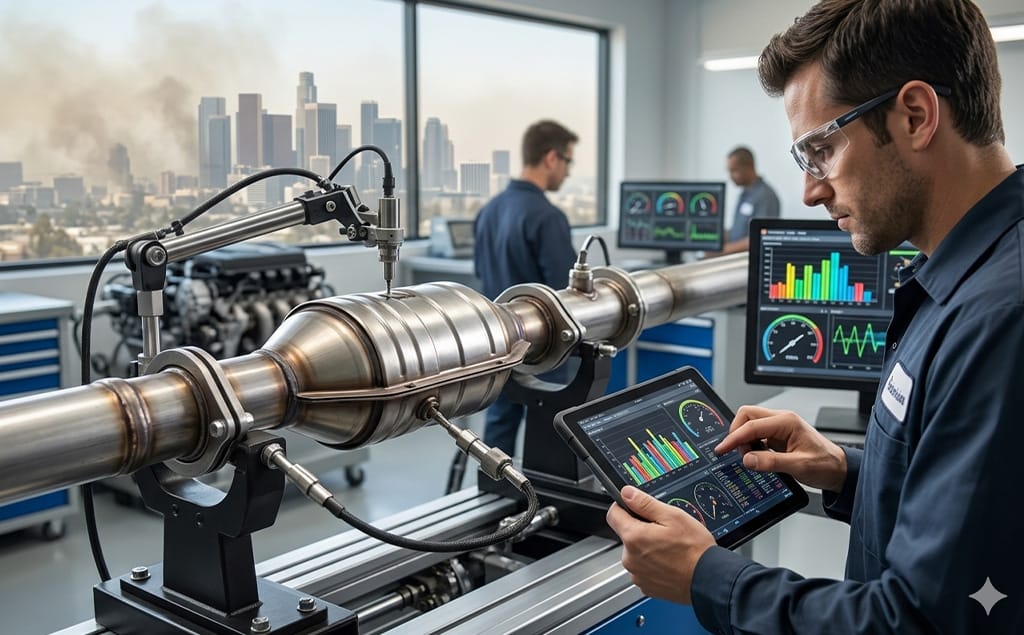
The automotive industry’s relentless pursuit of reduced environmental impact has positioned the 3-way catalytic converter (TWC) as a cornerstone technology for controlling harmful emissions from gasoline internal combustion engines. This report delves into the intricate material science and engineering behind these critical components, focusing specifically on their application in gasoline vehicles. The TWC is a sophisticated chemical reactor designed to simultaneously mitigate three primary pollutants found in engine exhaust: carbon monoxide (CO), unburnt hydrocarbons (HC), and nitrogen oxides (NOx) [1][5].
Operating within a tightly controlled environment, the TWC functions optimally when the engine’s air-fuel ratio is maintained near the stoichiometric point, precisely regulated by a lambda sensor in a closed-loop feedback system [5]. This precise control is crucial because the catalyst must facilitate both oxidation (for CO and HC) and reduction (for NOx) reactions concurrently. The evolution of TWCs has progressed from simpler oxidation catalysts to dual-bed systems, culminating in the highly efficient single-bed TWCs prevalent today, which are designed for thermal stability and rapid activation, often mounted close to the exhaust manifold [1][3]. The continuous tightening of global emission standards for CO, HC, NOx, and particulate matter is a primary driver for ongoing advancements in catalyst design and material innovation [1][6].
2. کیٹلیٹک سبسٹریٹ میٹریلز اور پراپرٹیز
The foundation of a 3-way catalytic converter is its monolithic substrate, which provides the structural support for the catalytically active materials. While metallic substrates are also used, ceramic honeycomb structures, primarily made from cordierite, are the most common choice due to their advantageous properties [6]. Cordierite is a magnesium iron aluminum cyclosilicate mineral with the chemical formula (Mg,Fe)₂Al₄Si₅O₁₈.
اس کا منفرد کرسٹل ڈھانچہ ہزاروں متوازی چینلز کے ساتھ انتہائی غیر محفوظ، شہد کے چھتے جیسا میٹرکس بنانے کی اجازت دیتا ہے۔ کورڈیرائٹ سبسٹریٹ کی جسمانی ساخت اس کے کام کے لیے اہم ہے۔ یہ عام طور پر ایک اعلی سیل کثافت (خلیات فی مربع انچ، cpsi) کی خصوصیات رکھتا ہے، جو ایک کمپیکٹ حجم کے اندر ایک بڑے ہندسی سطح کے علاقے میں ترجمہ کرتا ہے۔ یہ اخراج گیسوں اور کیٹلیٹک واش کوٹ کے درمیان رابطے کو زیادہ سے زیادہ کرتا ہے۔
کلیدی خصوصیات جو کورڈیرائٹ کو ایک مثالی سبسٹریٹ مواد بناتی ہیں ان میں شامل ہیں:
- تھرمل استحکام: بہترین تھرمل جھٹکا مزاحمت، محیط سے 1000 ° C تک تیز رفتار تبدیلیوں کو برداشت کرتا ہے۔
- کم تھرمل توسیع: درجہ حرارت کے میلان کی وجہ سے تناؤ اور کریکنگ کو روکتا ہے۔
- مکینیکل طاقت: کمپن اور اثرات کو سنبھالنے کے لیے کافی مضبوط۔
- اونچی سطح کا علاقہ: موثر واش کوٹ کی درخواست کی حمایت کرتا ہے۔
- کم پریشر ڈراپ: سیدھے چینلز ایگزاسٹ بہاؤ مزاحمت کو کم سے کم کرکے انجن کی کارکردگی کو محفوظ رکھتے ہیں۔
Design parameters like length and cell density are often optimized using simulation software such as Solidworks [7].
3. واش کوٹ فارمولیشنز اور فنکشنل رولز
واش کوٹ ایک غیر محفوظ آکسائیڈ کی تہہ ہے جو سبسٹریٹ پر لگائی جاتی ہے، جس سے قیمتی دھاتوں کی اعلیٰ بازی اور استحکام ممکن ہوتا ہے۔
- Gamma-Alumina (γ-Al2O3): اونچی سطح کا رقبہ (100–200 m²/g)، قیمتی دھات کے پھیلاؤ کی حمایت کرتا ہے۔
- Ceria-Zirconia (CeO₂-ZrO₂):Ceria (CeO₂) is indispensable for its remarkable oxygen storage capacity (OSC)[1][2]. It undergoes reversible redox reactions:2CeO₂ ⇌ Ce₂O₃ + ½O₂The addition of zirconia (ZrO₂) forms a solid solution, CeO₂-ZrO₂, enhancing thermal stability and oxygen mobility. Ceria-zirconia-yttria mixed oxides (CZY) are considered the industry standard .
- دیگر اسٹیبلائزرز: لینتھینم آکسائیڈ (La₂O₃)، بیریم آکسائیڈ (BaO)، اور نیوڈیمیم آکسائیڈ (Nd₂O₃) سطح کے استحکام اور زہر کے خلاف مزاحمت کو بڑھاتے ہیں۔
The washcoat is applied as a slurry and then calcined, forming a highly porous, rough surface that maximizes the contact area for the exhaust gases and provides a stable platform for the precious metals. Some advanced TWC designs utilize double-layer washcoats, where different precious metals (e.g., Pd/Pt in one layer and Rh in another) are supported on specific ceria- or zirconia-based oxides to prevent sintering and optimize their individual catalytic functions [1][3]. The development of mesoporous oxide supports with optimal pore geometries is an ongoing area of research, aiming to reduce catalyst size and weight while significantly decreasing the required precious metal loadings [7].
4. قیمتی دھاتی اتپریرک: ساخت اور میکانزم
TWC کا کیٹلیٹک دل پلاٹینم گروپ میٹلز (PGMs) پر انحصار کرتا ہے:
- پلاٹینم (Pt): اتپریرک آکسیکرن:
- CO + ½O₂ → CO₂
- CₓHᵧ + (x + y/4)O₂ → xCO₂ + y/2 H₂O
- پیلیڈیم (Pd): آکسیکرن اور اعتدال پسند NOx کمی دونوں کو کیٹالائز کرتا ہے۔ کم درجہ حرارت پر اچھی کارکردگی کا مظاہرہ کرتا ہے اور آکسیجن ذخیرہ کرنے کی صلاحیت رکھتا ہے۔
- روڈیم (Rh): NOx میں کمی کے لیے اہم:
- 2NO + 2CO → N₂ + 2CO₂
- 2NO₂ + 4CO₂ → N₂ + 4CO₂
- 2NOₓ → N₂ + xO₂
The typical ratios of these PGMs vary depending on the specific application, engine type, and emission targets, but a common formulation might involve a higher proportion of palladium, followed by platinum, and a smaller but critical amount of rhodium. For instance, the platinum-based segment alone held over 40% of the market share in 2024 [6]. The chemical forms of these metals on the washcoat are typically highly dispersed nanoparticles, which maximize the active surface area for reactions. Modified impregnation procedures, such as using toluene, can produce well-dispersed Pt nanoparticles on various hydrophobic materials, showing good activity for CO and propane oxidation [1][2].
The reliance on PGMs presents significant cost and supply chain challenges due to their scarcity and price volatility [1][6]. This has driven extensive research into reducing PGM content or developing entirely PGM-free alternatives. While iridium, ruthenium, and osmium are also PGMs, they are generally not suitable for TWC conditions due to the volatility or toxicity of their oxide forms under exhaust conditions, effectively limiting the choice to Pt, Pd, and Rh [1].
5. ہاؤسنگ اور پیکجنگ کا سامان
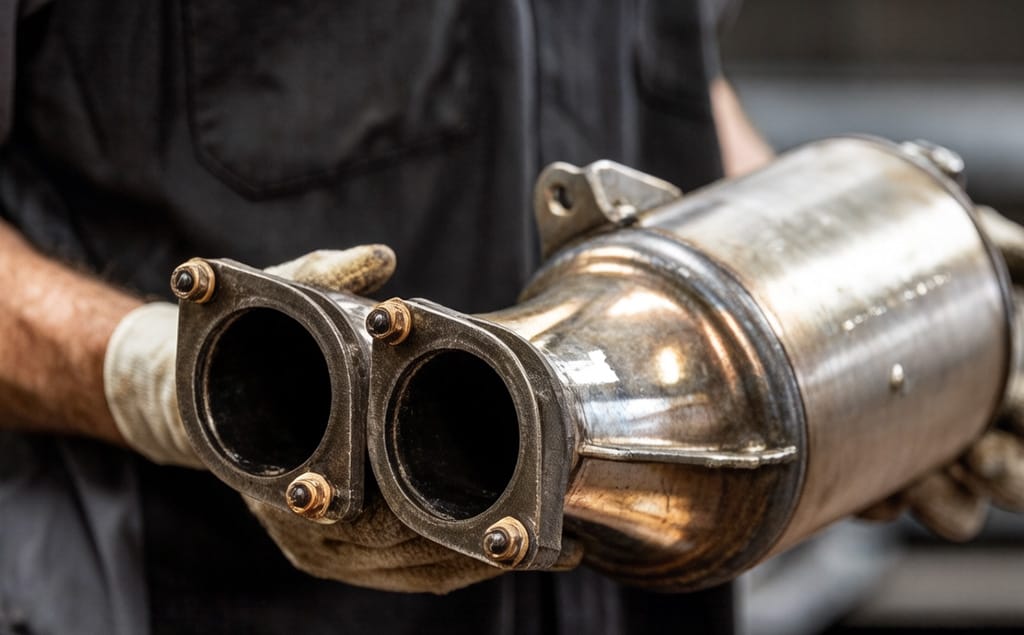
کیٹلیٹک کور سے آگے، 3 طرفہ کیٹلیٹک کنورٹر کی ساختی سالمیت اور تھرمل مینجمنٹ کو اس کے ہاؤسنگ اور پیکیجنگ مواد سے یقینی بنایا جاتا ہے۔ یہ اجزاء نازک سیرامک سبسٹریٹ کی حفاظت، انتہائی درجہ حرارت سے محفوظ رکھنے اور گاڑی کے ایگزاسٹ سسٹم کے اندر محفوظ بڑھتے ہوئے مقام فراہم کرنے کے لیے ڈیزائن کیے گئے ہیں۔
- بیرونی ہاؤسنگ (شیل): بیرونی ہاؤسنگ عام طور پر تعمیر کی جاتی ہے۔ سٹینلیس سٹیل, often featuring a double-layered design with an integrated heat shield [9]. Stainless steel is chosen for its excellent corrosion resistance, particularly against the corrosive exhaust gases and external environmental factors, and its ability to withstand high temperatures. The double-layered shell serves multiple functions:
- ساختی سالمیت: یہ اندرونی اتپریرک اینٹوں کے لیے مضبوط مکینیکل تحفظ فراہم کرتا ہے، اسے سڑک کے ملبے، اثرات اور کمپن سے بچاتا ہے۔
- تھرمل موصلیت: دوہری تہوں کے درمیان ہوا کا فاصلہ، یا ہیٹ شیلڈ کی موجودگی، گرم اتپریرک سے گرمی کی شعاعوں کو کم کرنے، گاڑی کے ارد گرد کے اجزاء کی حفاظت کرنے اور جلنے کے خطرے کو کم کرنے میں مدد کرتی ہے۔
- آکسائیڈ جلد کی روک تھام: It prevents the formation of an oxide skin on the catalyst surface, which could otherwise block the catalytic sites and reduce efficiency [9].
- چڑھنا: یہ ایگزاسٹ سسٹم میں انضمام کے لیے ضروری فلینج اور کنکشن فراہم کرتا ہے۔
- اندرونی اندرونی چٹائی: سیرامک سبسٹریٹ اور سٹینلیس سٹیل ہاؤسنگ کے درمیان، ایک intumescent چٹائی مواد پیک کیا جاتا ہے. یہ چٹائی عام طور پر سیرامک ریشوں (مثال کے طور پر، ایلومینا سلیکا ریشوں) سے بنائی جاتی ہے جو گرم ہونے پر نمایاں طور پر پھیلنے کے لیے ڈیزائن کیے گئے ہیں۔ اس کے افعال کنورٹر کے استحکام اور کارکردگی کے لیے اہم ہیں:
- مکینیکل تحفظ اور کشننگ: یہ جھٹکا جذب کرنے والے کے طور پر کام کرتا ہے، گاڑی کی نقل و حرکت اور اخراج کی دھڑکن سے ہونے والی کمپن اور مکینیکل دباؤ کے خلاف ٹوٹنے والے سیرامک سبسٹریٹ کو کشن بناتا ہے۔ یہ سبسٹریٹ کو ٹوٹنے یا ٹوٹنے سے روکتا ہے۔
- تھرمل موصلیت: چٹائی اضافی تھرمل موصلیت فراہم کرتی ہے، اتپریرک سے گرمی کے نقصان کو کم کرتی ہے اور اسے زیادہ تیزی سے آپریٹنگ درجہ حرارت تک پہنچنے میں مدد کرتی ہے (لائٹ آف ٹمپریچر)۔
- محفوظ ماؤنٹنگ: جیسے جیسے یہ گرم ہونے پر پھیلتا ہے، اندرونی چٹائی سیرامک اینٹوں پر ایک دبانے والی قوت کا استعمال کرتی ہے، اسے محفوظ طریقے سے اسٹیل کیسنگ کے اندر اپنی جگہ پر رکھتی ہے اور حرکت یا جھنجھلاہٹ کو روکتی ہے۔
- سگ ماہی: It also provides a seal, preventing exhaust gases from bypassing the catalyst brick and ensuring that all gases flow through the active catalytic channels. Other vibration damping layers, such as metal mesh pads or ceramic gaskets, may also be used [9].
ان ہاؤسنگ اور پیکیجنگ مواد کا محتاط انتخاب اور انضمام 3 طرفہ کیٹلیٹک کنورٹر کی طویل مدتی وشوسنییتا اور کارکردگی کے لیے ضروری ہے، اس بات کو یقینی بناتے ہوئے کہ یہ آٹوموٹو ایگزاسٹ سسٹم کے سخت آپریٹنگ ماحول کا مقابلہ کر سکتا ہے۔
6. مربوط مواد کی کارکردگی، استحکام، اور لاگت کے تحفظات
3 طرفہ کیٹلیٹک کنورٹر کی افادیت اس کے تمام اجزاء کے درمیان ہم آہنگی کے تعامل کا براہ راست نتیجہ ہے: سبسٹریٹ، واش کوٹ، قیمتی دھاتیں، اور رہائش۔ ان کی اجتماعی کارکردگی مجموعی اتپریرک سرگرمی، تھرمل استحکام، میکانکی مضبوطی، اور بالآخر، پورے نظام کی لاگت کی تاثیر کا حکم دیتی ہے۔
کیٹلیٹک سرگرمی اور کارکردگی: The primary goal is to achieve high conversion efficiency for CO, HC, and NOx across a wide range of operating conditions. This is largely driven by the precious metals (Pt, Pd, Rh) and their dispersion on the high-surface-area washcoat [1]. The washcoat’s oxygen storage capacity, provided by ceria-zirconia, is crucial for maintaining high efficiency under fluctuating air-fuel ratios, acting as an oxygen buffer [1][2]. Computer models are extensively used to optimize catalyst loadings and layouts, enabling high performance even with reduced PGM content [1][3].
تھرمل استحکام: آٹوموٹو ایگزاسٹ کا درجہ حرارت 1000 ° C سے زیادہ تک پہنچ سکتا ہے، جس سے تھرمل پائیداری ایک اہم تشویش ہے۔
- سبسٹریٹ: Cordierite’s low thermal expansion and high thermal shock resistance prevent cracking and structural degradation [6].
- واش کوٹ: The incorporation of zirconia into ceria (CeO₂-ZrO₂) significantly enhances the thermal stability of the oxygen storage component, preventing sintering and loss of surface area [7]. Advanced washcoat designs, such as double layers, can also help prevent sintering of PGMs at high temperatures [1][3].
- قیمتی دھاتیں: PGM sintering (agglomeration of nanoparticles into larger, less active particles) is a major cause of catalyst deactivation at high temperatures. The washcoat’s ability to disperse and stabilize PGMs is critical. Novel perovskite-based catalysts, for example, have shown superior thermal stability and resistance to activity loss even after hydrothermal aging at 1273K(1000°C), compared to standard dispersed metal catalysts [3][8]. This enhanced stability is often attributed to the substitution of palladium into the perovskite structure, which makes it less prone to sintering [8].
مکینیکل مضبوطی: کنورٹر کو اہم مکینیکل دباؤ کا سامنا کرنا چاہیے، بشمول انجن اور سڑک کی کمپن، نیز جسمانی اثرات۔
- ہاؤسنگ: The stainless steel shell provides the primary structural integrity and protection [9].
- Intumescent چٹائی: This material is vital for cushioning the brittle ceramic substrate, absorbing vibrations, and securely holding the catalyst brick in place, preventing mechanical damage [9].
لاگت کی تاثیر: آٹوموٹو مینوفیکچرنگ میں لاگت ایک اہم ڈرائیور ہے۔ TWC میں لاگت کا سب سے اہم عنصر ہے۔ قیمتی دھاتی مواد [6]. The market for automotive three-way catalytic converters was valued at USD 11.2 billion in 2024, with the platinum-based segment alone projected to exceed USD 7 billion by 2034 [6].
- PGM قیمت میں اتار چڑھاؤ: The fluctuating prices and secure supply of platinum, palladium, and rhodium directly impact manufacturing costs [6].
- تکنیکی جدت: Manufacturers are continuously innovating to enhance fuel economy and reduce PGM loadings while maintaining or improving conversion efficiency and durability [6]. Projects like PROMETHEUS aim to reduce PGM content, potentially cutting production costs by up to 50% while maintaining or enhancing performance [1][4].
- مینوفیکچرنگ کے عمل کی اصلاح: The design and preparation techniques for catalyst supports, such as cost-effective methods for creating mesoporous materials, also contribute to overall cost reduction [7].
- استحکام بمقابلہ لاگت: There is a constant trade-off between achieving high durability (which often requires more robust, sometimes more expensive, materials or higher PGM loadings) and managing production costs. The development of more thermally stable catalysts, like perovskites, can extend the converter’s lifespan, offering long-term cost benefits despite potentially higher initial material costs [3][8].
The overall market growth for TWCs is driven by increasing vehicle sales, stricter emissions regulations, and the demand for fuel-efficient vehicles, all of which necessitate continuous material and process innovation [6]. On-road monitoring of TWC performance, often via oxygen storage capacity measurements, further ensures that these complex material systems meet real-world emission targets throughout their operational life [3].
7. ابھرتا ہوا مواد اور مستقبل کی سمتیں۔
The landscape of catalytic converter technology is continuously evolving, driven by increasingly stringent global emission standards and the imperative to reduce reliance on expensive and scarce Platinum Group Metals (PGMs) [1][6]. Future directions in 3-way catalytic converters focus on novel materials, advanced manufacturing techniques, and integrated systems to achieve superior performance, enhanced durability, and improved sustainability.
PGM انحصار کو کم کرنا اور غیر PGM کیٹالسٹ: The high cost and limited supply of Pt, Pd, and Rh are major motivators for research into PGM-free or low-PGM alternatives [1][6].
- ٹرانزیشن میٹل آکسائیڈ: مواد جیسے زیولائٹ، نکل آکسائیڈ، اور دیگر دھاتی آکسائیڈ are being extensively explored as potential replacements for PGMs [1]. These materials offer lower cost and greater abundance.
- پیرووسکائٹ پر مبنی کاتالسٹ: پیرووسکائٹ ڈھانچے کے ساتھ پیچیدہ دھاتی آکسائڈز (مثال کے طور پر، ABO3 غیر پی جی ایم کیٹیلیسٹ کی ایک امید افزا کلاس ہیں۔ مثال کے طور پر، کاپر ڈوپڈ LaCo₁−xCuxO₃ پیرووسکائٹس are under investigation as PGM-free catalysts for TWCs [1][4]. These materials can exhibit high thermal stability and catalytic activity, sometimes even surpassing traditional PGM catalysts in specific conditions [3][8]. Mechanochemical synthesis, including high-energy ball milling, is being used to create such perovskites [1].
- نینو ٹیکنالوجی انٹیگریشن: Projects like NEXT-GEN-CAT have focused on incorporating low-cost transition metals into advanced ceramic substrates using nanotechnology to develop efficient catalysts [1][5]. Prototypes with low-PGM and no-PGM formulations have demonstrated compliance with Euro III emission standards, showcasing the viability of these approaches [1][5].
اعلی درجے کی واش کوٹ کی ترقی: Washcoat and catalyst development remain critical focus areas [1].
- میسوپورس آکسائیڈ سپورٹ کرتا ہے: Research continues into developing mesoporous oxide supports with optimized pore geometries. These structures can significantly increase the active surface area and improve the dispersion of catalytic components, potentially allowing for further reductions in metal loadings while maintaining or enhancing performance [7].
- ناول کی تیاری کے طریقے: مزید موثر اور پائیدار اتپریرک بنانے کے لیے تیاری کے جدید طریقے تلاش کیے جا رہے ہیں۔ ان میں شامل ہیں:
- الٹراسونک علاج الیکٹروپلاٹنگ کے ساتھ مل کر: فعال مواد کے عین مطابق جمع اور بازی کے لیے۔
- سائٹریٹ کا طریقہ: اعلی یکسانیت کے ساتھ مخلوط دھاتی آکسائیڈ کی ترکیب کے لیے سول جیل کی قسم کا ایک عام طریقہ۔
- پلازما الیکٹرولیٹک آکسیڈیشن (PEO): For creating porous oxide layers on metallic substrates, which can then be functionalized with catalytic materials [1].
مستقبل کے اخراج کے ضوابط کو حل کرنا: Global emission standards are becoming progressively stricter, pushing the boundaries of current TWC technology [1][6].
- کولڈ سٹارٹ اخراج: ایک اہم چیلنج "کولڈ اسٹارٹ" کا دورانیہ ہے، جہاں اتپریرک ابھی تک اپنے لائٹ آف درجہ حرارت تک نہیں پہنچا ہے اور بڑی حد تک غیر موثر ہے۔ مستقبل کے مواد کی تحقیق کا مقصد ایسے اتپریرکوں کو تیار کرنا ہے جو بہت کم درجہ حرارت پر متحرک ہوتے ہیں یا برقی طور پر گرم ہونے والے کاتالسٹ (EHCs) یا ہائیڈرو کاربن ٹریپس کے ساتھ مل کر کولڈ اسٹارٹ اخراج کو کم کرتے ہیں۔
- اصلی ڈرائیونگ ایمیشنز (RDE): Regulations are increasingly focusing on real-world driving emissions rather than just laboratory tests. This necessitates catalysts that perform robustly and efficiently across a wider range of temperatures, speeds, and load conditions. On-road monitoring of oxygen storage capacity is already a step in this direction [3].
- پارٹیکیولیٹ میٹر (PM) کنٹرول: جب کہ TWCs بنیادی طور پر گیسی آلودگیوں کو نشانہ بناتے ہیں، مستقبل کے ضابطوں میں PM کے لیے مربوط حل کی ضرورت ہو سکتی ہے، جو ممکنہ طور پر TWCs کے ساتھ مل کر گیسولین پارٹیکیولیٹ فلٹرز (GPFs) کو وسیع تر اپنانے، یا PM میں کمی کی موروثی صلاحیتوں کے ساتھ اتپریرک کی ترقی کا باعث بنتی ہے۔
پائیداری اور سرکلر اکانومی: The transition to “green” mobility and the increasing focus on sustainability are driving efforts in recyclability and life cycle assessment (LCA) [1][5].
- ری سائیکلیبلٹی: The NEXT-GEN-CAT project, for instance, investigated the recyclability of TWCs, examining end-of-life scenarios and using LCA to determine the environmental impact of developed materials [1][5]. Pyro-metallurgical treatment (smelting in an inert atmosphere) was explored for efficient PGM recovery from spent catalysts [1][5]. Future research will likely focus on more energy-efficient and environmentally friendly recycling processes for both PGMs and base metals.
فعال حل اور قیاس آرائیاں: موجودہ تحقیق کے علاوہ، مستقبل کی سمتوں میں شامل ہو سکتے ہیں:
- اسمارٹ کیٹالسٹس: اتپریرک جو متحرک طور پر اپنی خصوصیات (مثلاً، سطح کی ساخت، آکسیجن ذخیرہ کرنے کی صلاحیت) کو حقیقی وقت کے اخراج کے حالات کے جواب میں، ممکنہ طور پر ایمبیڈڈ سینسر اور AI سے چلنے والے کنٹرول سسٹم کا استعمال کرتے ہوئے ایڈجسٹ کر سکتے ہیں۔
- انٹیگریٹڈ ایگزاسٹ آفٹر ٹریٹمنٹ سسٹم: زیادہ کمپیکٹ، ملٹی فنکشنل ایگزاسٹ سسٹمز کی طرف ایک قدم جو TWC کی فعالیت کو دیگر اخراج کنٹرول ٹیکنالوجیز کے ساتھ جوڑتا ہے (مثال کے طور پر، NOx کے لیے سلیکٹیو کیٹلیٹک کمی، ایڈوانس پارٹکیولیٹ فلٹرز) ایک واحد، انتہائی بہتر یونٹ میں۔
- اضافی مینوفیکچرنگ: 3D پرنٹنگ یا دیگر اضافی مینوفیکچرنگ تکنیکوں کا استعمال انتہائی حسب ضرورت اور بہتر بنائے گئے سبسٹریٹ اور واش کوٹ ڈھانچے کو بنانے کے لیے، جو تاکنا سائز کی تقسیم، چینل جیومیٹری، اور کیٹالسٹ پلیسمنٹ پر بے مثال کنٹرول کی اجازت دیتا ہے۔ یہ بڑے پیمانے پر منتقلی اور اتپریرک کارکردگی کو نمایاں طور پر بہتر بنا سکتا ہے۔
- بائیو انسپائرڈ کیٹالیسس: حیاتیاتی نظاموں میں پائے جانے والے اتپریرک میکانزم کو دریافت کرنا تاکہ ناول، انتہائی موثر، اور ممکنہ طور پر زیادہ پائیدار اتپریرک کو ڈیزائن کیا جا سکے۔
میٹریل سائنس اور کیمیکل انجینئرنگ میں جاری جدت 3 طرفہ کیٹلیٹک کنورٹر کی کارکردگی کی حدود کو آگے بڑھاتی رہے گی، اس بات کو یقینی بناتی ہے کہ پٹرول کی گاڑیاں اپنے ماحولیاتی اثرات کو کم سے کم کرتے ہوئے تیزی سے سخت ماحولیاتی اہداف کو پورا کر سکیں۔