Giới thiệu
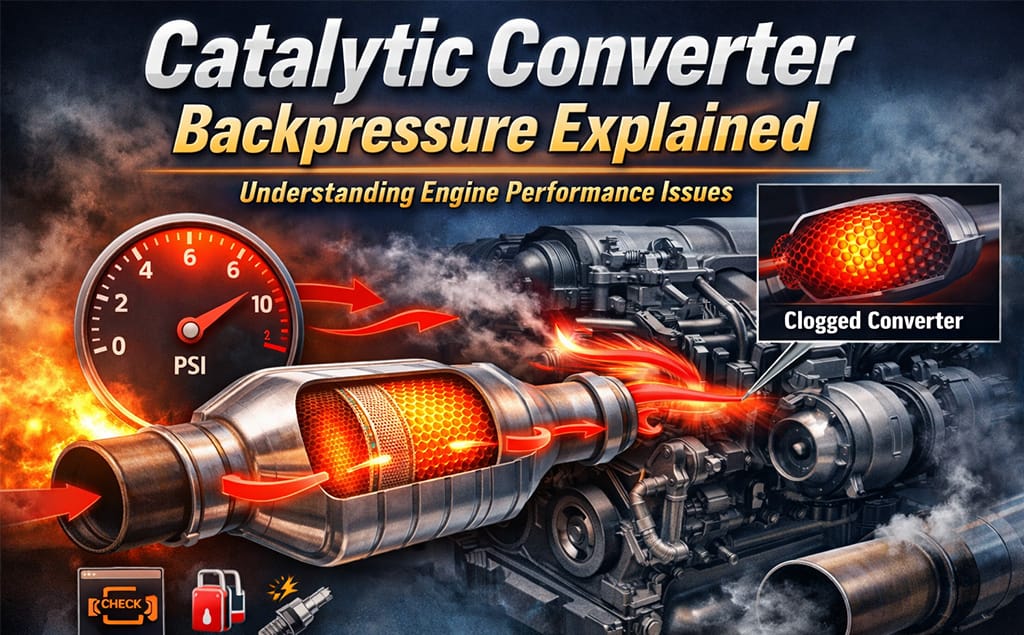
Các bộ chuyển đổi xúc tác ba chiều serves as a vital gatekeeper in a vehicle’s exhaust system. It balances the need for environmental protection with the requirements of engine performance. However, this component can create a physical bottleneck known as backpressure. Backpressure represents the resistance that exhaust gases encounter as they exit the combustion chamber. While engineers design exhaust systems to handle specific pressure levels, excessive resistance can cripple an engine. This article explores the science of backpressure within the bộ chuyển đổi xúc tác ba chiều. We will examine why it occurs, how it affects your vehicle, and how to diagnose issues before they lead to expensive repairs.
The Physics of Exhaust Gas Flow
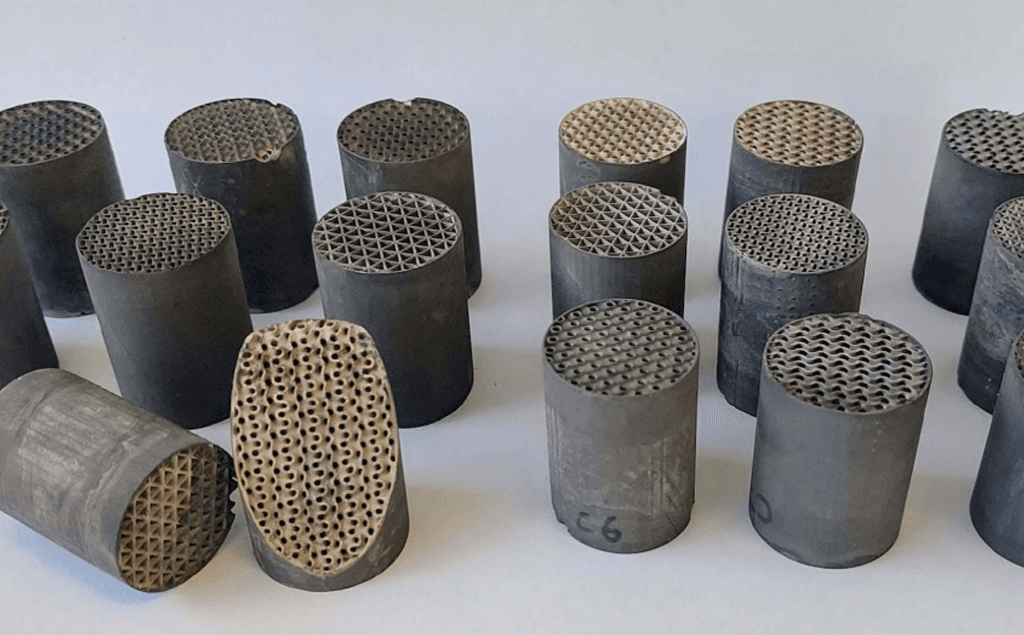
Internal combustion engines function like large air pumps. They draw in air, mix it with fuel, ignite it, and expel the waste. The exhaust stroke must push these waste gases through several feet of piping and filtration media. The bộ chuyển đổi xúc tác ba chiều contains a dense ceramic or metallic honeycomb structure. This structure provides a massive surface area for chemical reactions.
However, this surface area also creates friction. Friction slows down the gas. This slowing creates a pressure gradient. Engineers call this “backpressure.” A small amount of backpressure actually assists the engine. It helps manage the scavenging process in the cylinders. It also provides the necessary energy to spin turbocharger turbines. When backpressure exceeds factory specifications, the engine must fight against its own waste.
How a Three Way Catalytic Converter Functions
Các bộ chuyển đổi xúc tác ba chiều performs three simultaneous tasks. First, it reduces nitrogen oxides (NOx) into nitrogen and oxygen. Second, it oxidizes carbon monoxide (CO) into carbon dioxide. Third, it oxidizes unburnt hydrocarbons (HC) into carbon dioxide and water. To achieve these results, the device uses precious metals like platinum, palladium, and rhodium.
The exhaust gases must pass through thousands of tiny channels coated with these metals. If these channels remain clear, the gas flows efficiently. If the channels become restricted, the bộ chuyển đổi xúc tác ba chiều becomes a wall. This restriction forces the pistons to work harder during the exhaust stroke. This parasitic loss drains power from the crankshaft.

Identifying Excessive Backpressure Symptoms
Drivers often notice performance changes when a bộ chuyển đổi xúc tác ba chiều begins to fail. You should monitor your vehicle for the following signs.
1. Diminished Engine Power The most common symptom is a “sluggish” feeling. You press the accelerator, but the car responds slowly. High backpressure prevents the engine from “breathing” out. If the engine cannot expel old exhaust, it cannot draw in a full charge of fresh air and fuel.
2. Drastic Decline in Fuel Economy A restricted bộ chuyển đổi xúc tác ba chiều forces the engine to burn more fuel to maintain speed. The ECU (Engine Control Unit) often tries to compensate for the lack of air by adjusting fuel trims. This inefficiency leads to frequent trips to the gas pump.
3. Persistent Engine Misfires Excessive heat and pressure in the exhaust manifold can cause gases to back up into the combustion chamber. This contaminates the new air-fuel mixture. The result is an incomplete burn, leading to a misfire.
4. Audible Abnormalities Listen for unusual sounds. A rattling noise often indicates that the internal ceramic substrate has shattered. A hissing sound suggests that exhaust gases are escaping through a leak or a gasket because the bộ chuyển đổi xúc tác ba chiều is too restricted to let them through.
5. The Check Engine Light (CEL) Modern vehicles use oxygen sensors to monitor the bộ chuyển đổi xúc tác ba chiều. If the converter’s efficiency drops or the flow rate changes, the computer triggers a P0420 or P0430 code.
The Role of Noble Metals in Flow Dynamics
The efficiency of the bộ chuyển đổi xúc tác ba chiều relies heavily on the distribution of noble metals. Manufacturers apply these metals to the “washcoat.” A healthy washcoat facilitates rapid chemical transitions. However, if the engine runs “rich” (too much fuel), the excess fuel burns inside the converter. This raises the internal temperature beyond 1,200 degrees Celsius.
Such extreme heat can melt the ceramic substrate. Once the substrate melts, it fuses into a solid block. This creates an immediate and severe backpressure spike. High-quality bộ chuyển đổi xúc tác ba chiều use thermal-resistant materials to prevent this catastrophic failure.
Data Comparison: Backpressure Thresholds
To diagnose a blockage, technicians use a pressure gauge. They usually remove the upstream oxygen sensor and insert a tester. The following table illustrates typical pressure readings for a healthy engine versus one with a failing bộ chuyển đổi xúc tác ba chiều.
| Engine State | Normal Pressure (PSI) | Failing Pressure (PSI) | Action Required |
|---|---|---|---|
| Idle (approx. 800 RPM) | < 1.0 PSI | > 2.0 PSI | Inspect for soot buildup |
| Mid-Range (2500 RPM) | < 2.5 PSI | > 4.5 PSI | Check for substrate melting |
| High Load (WOT) | < 5.0 PSI | > 10.0 PSI | Immediate replacement |
Primary Causes of Three Way Catalytic Converter Blockage
Understanding why a converter clogs is essential for prevention. Several factors contribute to increased backpressure.
- Carbon Buildup: Incomplete combustion leaves soot. This soot coats the honeycomb and narrows the passages.
- Oil Contamination: Leaking valve seals or piston rings allow oil into the exhaust. The oil coats the catalyst, preventing chemical reactions and trapping debris.
- Coolant Leaks: A blown head gasket allows antifreeze into the exhaust stream. Antifreeze destroys the precious metal coating and physically blocks the channels.
- Thiệt hại về cấu trúc: Impacts from road debris can dent the converter shell. This crushes the internal honeycomb and creates a physical obstruction.
Technical Analysis: Scavenging and Backpressure
In a high-performance setting, scavenging is vital. Scavenging uses the momentum of exiting exhaust pulses to pull the next charge of air into the cylinder. A perfectly tuned bộ chuyển đổi xúc tác ba chiều maintains just enough backpressure to facilitate this pulse tuning.
However, when backpressure rises, the “pulse” reflects back toward the engine. This “reversion” pushes exhaust gas back into the intake manifold. This dilutes the oxygen content of the incoming air. For turbocharged engines, this is even more critical. High backpressure increases the “pumping work” of the engine, which significantly raises the temperature of the turbocharger bearings.
Comprehensive Maintenance Strategies
Bạn có thể kéo dài tuổi thọ của mình. bộ chuyển đổi xúc tác ba chiều with proactive care. Follow these steps to ensure optimal exhaust flow.
Use High-Quality Fuel Low-quality fuels often contain contaminants that “poison” the catalyst. Use fuels with top-tier detergent additives. These additives keep the combustion chamber clean and reduce soot production.
Monitor Engine Health Do not ignore a misfire. A single misfiring cylinder can dump raw fuel into the exhaust. This fuel ignites within the bộ chuyển đổi xúc tác ba chiều, causing it to overheat and melt. Address spark plug and ignition coil issues immediately.
Perform Periodic Emissions Tests An emissions test provides a window into the health of your converter. High CO or HC readings suggest that the bộ chuyển đổi xúc tác ba chiều is losing its chemical potency, even if it isn’t fully clogged yet.
Professional Installation vs. DIY
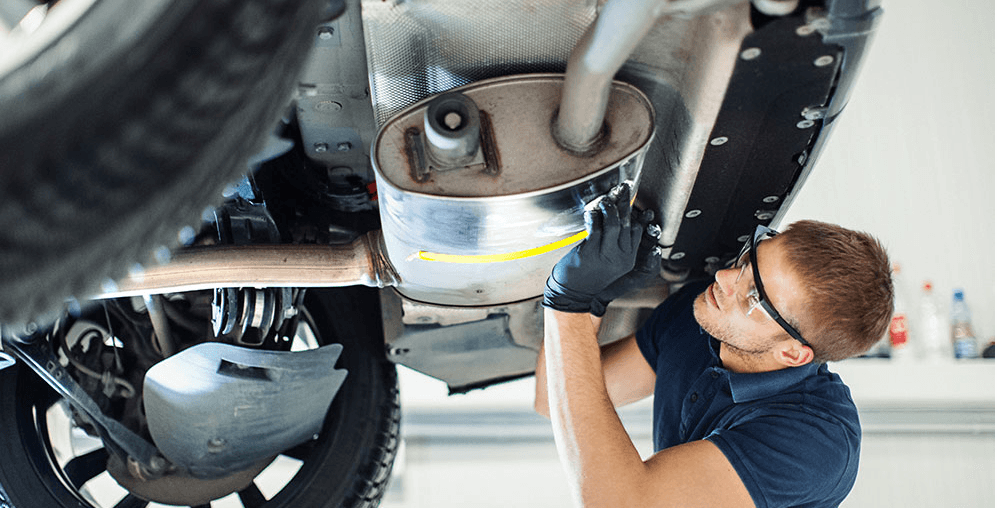
Thay thế một bộ chuyển đổi xúc tác ba chiều requires specific tools. You must use a jack and jack stands to secure the vehicle. You will likely need a penetrating lubricant to loosen rusted bolts. Some systems require welding, while others are “bolt-on.”
We recommend professional installation for several reasons. First, professionals can verify that the new unit meets local EPA or Euro standards. Second, they can identify the “root cause” of the failure. If you replace a clogged converter without fixing an oil leak, the new unit will clog within months.
Global Emission Standards and Compliance
Regulatory bodies like the EPA (United States) and the European Union set strict limits on tailpipe emissions. The bộ chuyển đổi xúc tác ba chiều is the primary tool for meeting these standards. Using a non-compliant or “universal” converter that does not match your engine’s displacement can trigger a check engine light. It can also cause the vehicle to fail annual inspections. Always choose a converter that carries the appropriate certification for your specific region.
The Economic Impact of Catalytic Converters
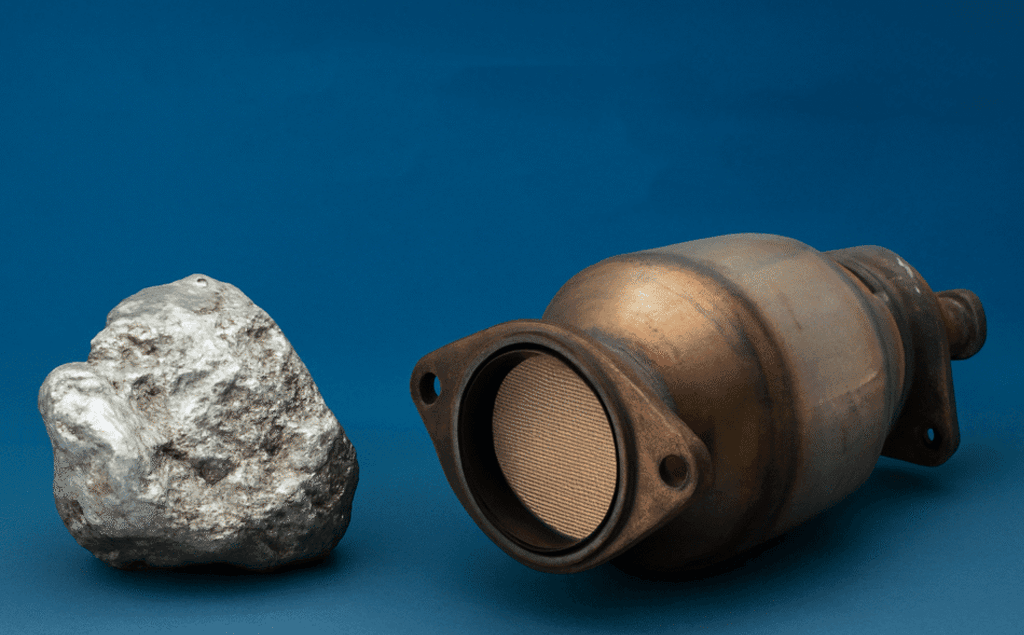
The price of a bộ chuyển đổi xúc tác ba chiều Giá cả biến động tùy thuộc vào thị trường kim loại quý. Rhodium đặc biệt đắt đỏ. Điều này khiến bộ chuyển đổi xúc tác trở thành mục tiêu của bọn trộm. Khi mua bộ phận thay thế, hãy đảm bảo mua từ nhà cung cấp uy tín như Catman. Các nhà cung cấp đáng tin cậy cung cấp sản phẩm có nguồn gốc rõ ràng, đáp ứng các thông số kỹ thuật của nhà sản xuất gốc (OEM). Họ cũng cung cấp bảo hành để bảo vệ khoản đầu tư của bạn.
Phân tích so sánh: Bộ chuyển đổi xúc tác ba chiều so với bộ lọc hạt diesel (DPF).
Trong khi động cơ xăng sử dụng một bộ chuyển đổi xúc tác ba chiềuĐộng cơ diesel sử dụng bộ lọc hạt diesel (DPF). Bảng sau so sánh các đặc điểm của chúng về áp suất ngược.
| Tính năng | Bộ chuyển đổi xúc tác ba chiều (TWC) | Bộ lọc hạt diesel (DPF) |
|---|---|---|
| Loại nhiên liệu | Xăng | Dầu diesel |
| Mục tiêu chính | Chuyển hóa khí (NOx, CO, HC) | Thu giữ các hạt bụi (bồ hóng). |
| Độ nhạy áp suất ngược | Vừa phải | Cao |
| Phương pháp làm sạch | Phản ứng hóa học (thụ động) | Tái sinh (đốt cháy tích cực) |
| Tuổi thọ điển hình | Hơn 100.000 dặm | Hơn 150.000 dặm (nếu lái cẩn thận) |
Lợi ích môi trường của việc khôi phục dòng chảy
Một sức khỏe tốt bộ chuyển đổi xúc tác ba chiều Không chỉ đơn thuần là khôi phục công suất, hệ thống này còn giảm đáng kể lượng khí thải carbon của xe. Bằng cách giảm áp suất ngược, động cơ hoạt động ở hiệu suất nhiệt tối đa, giảm tổng lượng CO2 thải ra trên mỗi dặm. Hơn nữa, việc chủ động giảm NOx ngăn ngừa sự hình thành ôzôn tầng mặt đất và khói bụi.
Những đổi mới trong tương lai về công nghệ chất xúc tác
Ngành công nghiệp ô tô tiếp tục phát triển. Các nhà nghiên cứu đang phát triển "Bộ chuyển đổi xúc tác gắn sát". Các kỹ sư đặt các bộ phận này ngay cạnh ống xả. Điều này cho phép... bộ chuyển đổi xúc tác ba chiều Để đạt được nhiệt độ hoạt động nhanh hơn. Thời gian "khởi động" nhanh hơn giúp giảm lượng khí thải khi khởi động nguội. Ngoài ra, thiết kế chất nền mới với thành mỏng hơn cho phép mật độ tế bào cao hơn mà không làm tăng áp suất ngược. Điều này cung cấp diện tích bề mặt lớn hơn để làm sạch không khí trong khi vẫn duy trì tốc độ dòng chảy cao.
Khắc phục sự cố hệ thống xả
Nếu bạn nghi ngờ có vấn đề về áp suất ngược, hãy thực hiện kiểm tra một cách có hệ thống.
- Kiểm tra bằng mắt thường: Kiểm tra xem vỏ bộ chuyển đổi có bị móp hoặc đổi màu không. Màu xanh lam hoặc tím cho thấy hiện tượng quá nhiệt nghiêm trọng.
- Kiểm tra chân không: Nối đồng hồ đo áp suất chân không vào đường ống nạp. Ở tốc độ vòng quay ổn định 2.500 vòng/phút, áp suất chân không phải duy trì ổn định. Nếu áp suất chân không giảm dần, có nghĩa là có sự tắc nghẽn trong đường ống xả.
- Kiểm tra nhiệt độ: Sử dụng nhiệt kế hồng ngoại. Đo nhiệt độ ở đầu vào và đầu ra của... bộ chuyển đổi xúc tác ba chiềuNhiệt độ đầu ra phải cao hơn nhiệt độ đầu vào (thường là 10-15%). Nếu nhiệt độ đầu vào cao hơn, bộ chuyển đổi có thể bị tắc nghẽn hoặc không hoạt động.
Tại sao nên chọn Catman cho giải pháp hệ thống ống xả của bạn?
Tại Catman, chúng tôi chuyên về các linh kiện ống xả hiệu suất cao. Chúng tôi hiểu rằng... bộ chuyển đổi xúc tác ba chiều Sản phẩm phải đảm bảo sự cân bằng hoàn hảo giữa khả năng lọc và lưu lượng. Sản phẩm của chúng tôi trải qua quá trình kiểm tra nghiêm ngặt để đảm bảo vượt trội so với các tiêu chuẩn ngành. Chúng tôi cung cấp bảo hành 12 tháng cho bộ chuyển đổi khí thải, mang đến cho bạn sự an tâm. Mạng lưới phân phối toàn cầu của chúng tôi đảm bảo bạn nhận được các bộ phận cần thiết một cách nhanh chóng, giảm thiểu thời gian xe ngừng hoạt động.
Phần kết luận
Áp suất ngược là một phần tự nhiên của động lực học khí thải, nhưng sự cản trở quá mức lại là kẻ thù của động cơ. bộ chuyển đổi xúc tác ba chiều Van tiết lưu đóng vai trò kép: bảo vệ môi trường và điều chỉnh luồng khí thải. Bằng cách nhận biết các triệu chứng của áp suất ngược cao – chẳng hạn như mất công suất, tiêu hao nhiên liệu kém và động cơ bị bỏ máy – bạn có thể hành động trước khi xảy ra hư hỏng nghiêm trọng. Bảo dưỡng thường xuyên và sử dụng các linh kiện chất lượng cao từ các nhà cung cấp đáng tin cậy như Catman sẽ giúp xe của bạn hoạt động hiệu quả. Hiểu rõ các hệ thống này đảm bảo động cơ của bạn hoạt động dễ dàng, hiệu suất tốt hơn và tuân thủ các luật khí thải hiện hành.