Giới thiệu
China dominates the global automotive components landscape. The region is a dual-force manufacturing hub, supplying both the major international OEMs and the global aftermarket distribution network. For businesses specializing in the bộ chuyển đổi xúc tác ba chiều market, sourcing from China offers significant cost advantages and massive production scales. However,From hitting exact quality marks to clearing logistical hurdles and mastering cultural cues—there’s a lot to balance to keep things moving.This guide provides a technical and strategic framework for automotive parts distributors. It shows you how to pick the right Chinese suppliers and keep them on track so your whole supply chain actually runs like a well-oiled machine.
1. Establish Technical and Commercial Requirements
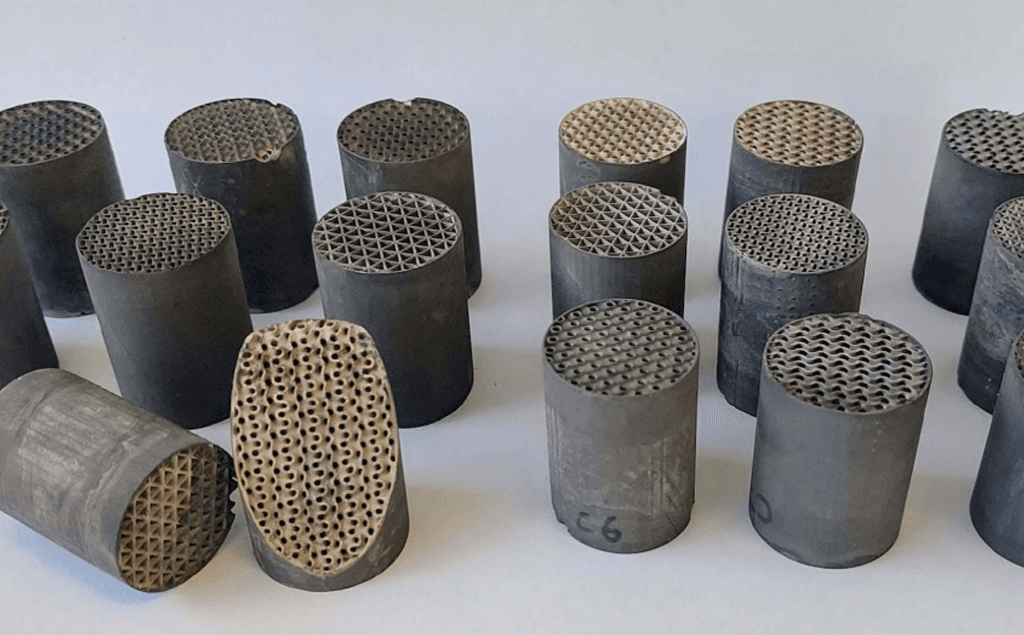
“If you want to source right, you’ve got to nail down the details from day one.Before you open a dialogue with any supplier, make sure you’re crystal clear on the technical details you’re looking for.For a bộ chuyển đổi xúc tác ba chiều, this includes the substrate type (ceramic or metallic), precious metal loading (Pt, Pd, Rh), and the grade of the stainless steel housing.
- Product Categories: Determine if you need universal models or vehicle-specific direct-fit units.
- Compliance Standards: Specify if you require EPA, CARB, or CE certification.
- Volume and Scale: Define your Minimum Order Quantities (MOQ). Are you ordering small batches for a niche market or bulk containers for nationwide distribution?
- Financial Parameters: Balance your budget against the required precious metal content. Lower prices often indicate reduced catalyst efficiency.
2. Execute Rigorous Supplier Research
Digital sourcing platforms offer a starting point, but they require careful filtering. Utilize the following primary channels:
- Alibaba.com: Look for “Verified Suppliers” and prioritize those with high Trade Assurance limits.
- Global Sources:Stick to manufacturers on this platform who have a solid track record of high-volume exports.
- Made-in-China: The site is home to a cluster of heavy industrial manufacturers with serious technical muscle.
Beyond digital tools, attend major industry exhibitions. Events like the Canton Fair and Automechanika Shanghai are perfect for getting some face time and talking shop on the technical side. These events allow you to inspect physical samples and gauge the supplier’s professional caliber directly.
3. Material Science: Comparing Stainless Steel Grades
The durability of a bộ chuyển đổi xúc tác ba chiều depends heavily on the housing material. Most Chinese suppliers offer different grades of stainless steel. You must choose the grade that matches your target market’s environmental conditions.
Stainless Steel Comparison for Converter Housings
| Grade | Chromium % | Nickel % | Corrosion Resistance | Ứng dụng điển hình |
|---|---|---|---|---|
| 409 | 10.5–11.7% | 0% | Vừa phải | Standard aftermarket (cost-effective) |
| 430 | 16% | 0% | Good | Mid-range components |
| 439 | 17% | 0% | Very Good | High-temperature environments |
| 304 | 18% | 8% | Xuất sắc | Premium/Marine (high-salt regions) |
4. Verify Manufacturing and Quality Credentials
Distributors must look beyond marketing claims. Any reputable bộ chuyển đổi xúc tác ba chiều factory should, at the very least, be ISO 9001 or IATF 16949 certified. These prove that the factory follows strict automotive quality management systems.
Request a virtual or on-site factory audit. During the audit, evaluate:
- Substrate Coating Precision: How does the factory measure the washcoat and precious metal loading?
- Welding Technology: Are they using robotic TIG/MIG welding for consistent seams?
- Testing Infrastructure: Do they have leak-test benches and canning pressure sensors?
Suppliers with Original Equipment Manufacturer (OEM) experience generally maintain higher precision levels than those producing only low-end “economy” parts.
5. Analyze Pricing and Total Cost of Ownership
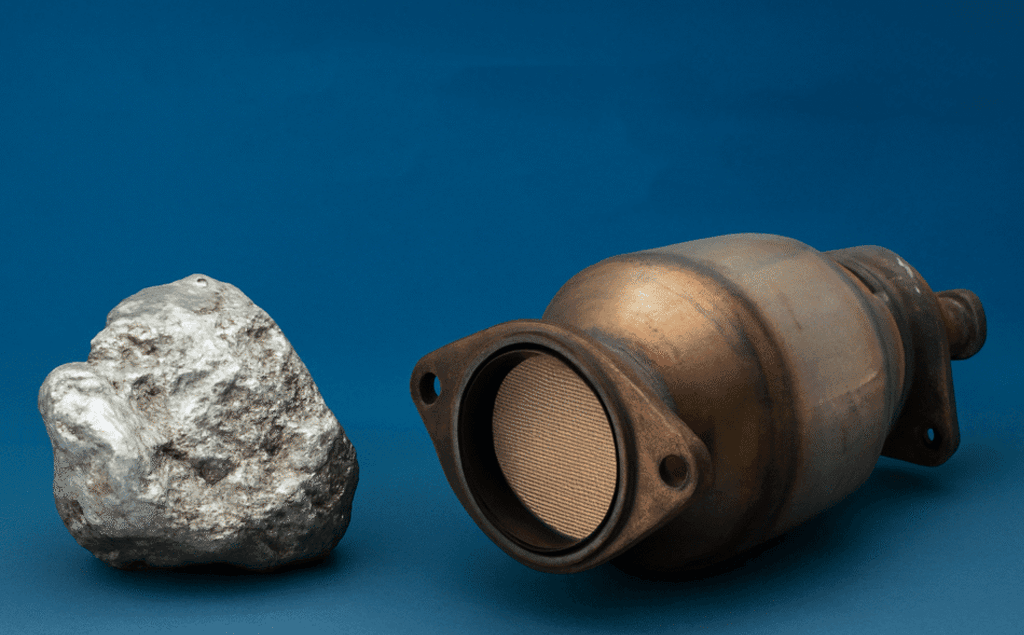
Avoid the “lowest price” trap. In the bộ chuyển đổi xúc tác ba chiều industry, the cost of raw materials—specifically Platinum, Palladium, and Rhodium—is pegged to global market rates. If a quote is significantly lower than the market average, the supplier likely reduced the catalyst loading. This will cause “Check Engine” lights (P0420 codes) for your customers.
Consider these cost factors:
- MOQ: Higher MOQs typically reduce the per-unit price but increase warehousing costs.
- Payment Terms: Standard practice is a 30% deposit with 70% paid before shipment.
- Logistics: Account for sea freight, import tariffs, and customs clearance fees.
6. Conduct Mandatory Sample Testing
Never place a bulk order without testing physical samples. Your technical team should evaluate the sample for:
- Fitment: Does the unit align perfectly with the manifold and exhaust pipe flanges?
- Oxygen Sensor Ports: Are the threads clean and positioned correctly?
- Emissions Efficiency: Use a 5-gas analyzer to verify that the converter effectively reduces CO, HC, and NOx.
- Packaging: Does the box survive a drop test? Heavy converters can easily break through thin cardboard during international transit.
7. Strategic Compliance: Navigating Global Standards
Compliance is the ‘make or break’ factor for market access, as bộ chuyển đổi xúc tác ba chiều standards differ across global regions.
- Europe (CE/Euro 6/7): Vehicle safety and tight NOx limits are the top priorities now. With Euro 7 kicking in this year, the requirements are getting a lot tougher.
- USA (Cơ quan Bảo vệ Môi trường Hoa Kỳ (EPA)): The federal standard for 49 states.
- USA (CARB): The strict California standard, also adopted by states like New York and Colorado. This requires an Executive Order (EO) number.
Certification Cost and Timeline Estimates
| Certification Type | Approx. Cost (USD) | Timeline | Focus |
|---|---|---|---|
| Cơ quan Bảo vệ Môi trường Hoa Kỳ (EPA) | $5,000 – $15,000 | 3–6 Months | Federal Compliance |
| CARB | $15,000 – $50,000+ | 6–12 Months | High-Efficiency/California |
| CE (EU) | $10,000 – $30,000 | 4–8 Months | Safety & Emission (EEA) |
8. Optimize Logistics and Communication
Logistics is just as big a deal as quality. Pin down the lead times early on—usually, it takes about 30 to 60 days to wrap up production.Ensure the supplier understands international Incoterms (FOB, CIF, or DDP).
Effective communication prevents costly errors. Work with suppliers who provide:
- English-speaking technical support.
- Fast response times via email or instant messaging (WhatsApp/WeChat).
- Transparent documentation for packing lists and commercial invoices.
9. Legal Protections and Intellectual Property
The automotive industry faces significant risks from counterfeit components. Ensure your supplier respects Intellectual Property (IP) rights. Request a formal contract that includes:
- Warranty Terms: Aim for at least 2 years or 25,000 miles.
- Defect Policies: Define how the supplier handles “dead on arrival” (DOA) units.
- Compliance Guarantees:Hold the supplier accountable for any discrepancies in certification. If the components fall short of the promised standards, the liability must rest with them.
10. Cultivate Long-Term Manufacturing Partnerships
Success in the bộ chuyển đổi xúc tác ba chiều business relies on consistency. When you land a reliable supplier, stick with them. Investing in the relationship usually pays off much better than jumping ship every time you see a lower price. Consistent orders build trust, leading to better lead times and priority access to new technical developments. You’ve got to be on-site regularly. It shows the supplier you’re watching the quality, and it’s the best way to keep them in line with your requirements.
Phần kết luận
When you’re sourcing TWCs from China, you’ve got to look under the hood. It takes a mix of hard technical audits and smart long-term planning.You must define clear specifications, verify manufacturing capabilities, and insist on rigorous compliance testing. By focusing on material quality—such as high-grade stainless steel and proper catalyst loading—you protect your brand from performance failures. A well-vetted supplier does more than provide a product; they provide the reliability necessary to compete in the global automotive aftermarket. If you want a sourcing setup that doesn’t fall apart when things get tough, stick to this. Keep the quality tight and keep your margins healthy.