Introduction
Selecting a high-quality three way catalytic converter determines your vehicle’s emission efficiency and engine health. Many vehicle owners encounter a dilemma when choosing between Walker and MagnaFlow components. Furthermore, common misconceptions exist regarding the term “3-Way Catalyst.” This term does not represent a manufacturing brand. Instead, it defines the chemical functionality of modern emission control devices. This article provides a comprehensive technical analysis of these two leading brands. We will explore the internal architecture of the three way catalytic converter. We will also examine how different manufacturing philosophies affect backpressure, durability, and legal compliance. By understanding these technical nuances, you can make an informed decision for your vehicle’s exhaust system.
The Science Behind the Three Way Catalytic Converter
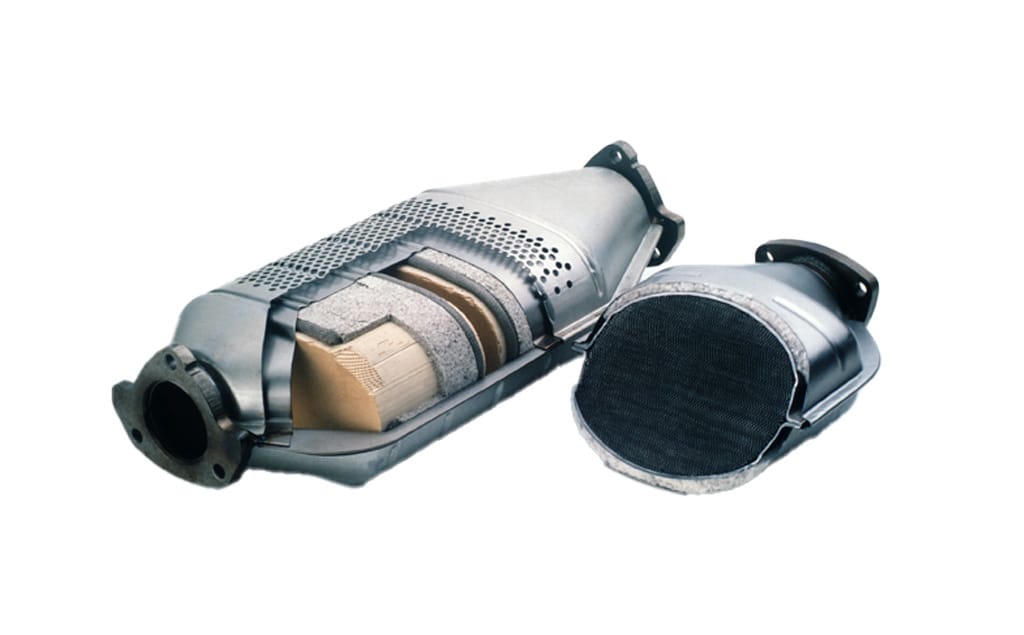
The three way catalytic converter functions as a complex chemical reactor. It sits within the exhaust stream to neutralize three primary pollutants. These pollutants include carbon monoxide, unburnt hydrocarbons, and nitrogen oxides. The device utilizes a honeycomb substrate to maximize the surface area for chemical reactions.
The reduction catalyst represents the first stage of the process. It uses platinum and rhodium to strip nitrogen atoms from nitrogen oxide molecules. This stage releases clean oxygen and nitrogen gas into the atmosphere. The second stage involves the oxidation catalyst. This stage utilizes platinum and palladium to burn off excess carbon monoxide and hydrocarbons. This reaction produces carbon dioxide and water vapor.
Modern engines require a precise balance of air and fuel for the three way catalytic converter to operate effectively. An oxygen sensor monitors the exhaust gases before they enter the unit. It sends data to the engine control unit to maintain the stoichiometric ratio. Without this balance, the three way catalytic converter cannot perform its chemical duties.
Walker: The Industry Standard for OE-Style Fitment
Walker focuses on the replacement market for standard passenger vehicles. This manufacturer prioritizes ease of installation and original equipment (OE) performance. A Walker three way catalytic converter typically mimics the exact dimensions of the factory part.
Many mechanics prefer Walker for routine maintenance tasks. The brand designs its “Direct Fit” units to require zero modifications. You do not need to cut, bend, or weld pipes during the installation process. This precision reduces labor hours and minimizes the risk of exhaust leaks.
Walker utilizes aluminized steel for the exterior shells of many converters. This material provides adequate protection against road salt and moisture. Inside the unit, Walker employs standard ceramic substrates. These substrates meet the filtration requirements of most modern engines. For residents in states with strict laws, Walker offers the CalCat series. These specific three way catalytic converter models meet California Air Resources Board (CARB) standards. They contain higher concentrations of precious metals to handle more rigorous emission cycles.
MagnaFlow: High-Flow Engineering and Performance
MagnaFlow targets the performance-oriented segment of the automotive market. This company invests heavily in fluid dynamics research and development. A MagnaFlow three way catalytic converter often delivers superior airflow compared to standard replacements.
The primary advantage of MagnaFlow lies in its high-flow design. Internal restrictions create backpressure, which forces the engine to work harder. MagnaFlow engineers their substrates to minimize this resistance. By increasing the cell density while maintaining open pathways, they improve exhaust scavenging. This process helps the engine breathe more efficiently. Many users notice a slight increase in horsepower and a deeper exhaust note after installation.
MagnaFlow uses heavy-duty stainless steel for its three way catalytic converter bodies. Stainless steel offers exceptional resistance to high-temperature oxidation. It also withstands structural stress better than aluminized steel. The welds on a MagnaFlow unit typically feature high-quality robotic precision. This construction ensures that the unit remains intact even under extreme driving conditions.
Decoding the Term Three Way Catalyst
It is vital to distinguish between a brand name and a technology type. The three way catalyst refers to the three simultaneous chemical reactions occurring inside the device. Every modern gasoline vehicle manufactured since the 1980s utilizes a three way catalytic converter.
When you see “3-Way Catalyst” in a product description, it indicates the unit’s ability to handle HC, CO, and NOx. It does not imply a specific level of quality or a unique brand identity. Both Walker and MagnaFlow produce three way catalytic converter units. The differences between them lie in the materials used for the housing and the geometry of the internal honeycomb.
You must also consider the substrate material. Most three way catalytic converter units use ceramic honeycombs. Ceramic is affordable and thermally stable. However, performance-grade MagnaFlow units sometimes offer metallic substrates. Metallic substrates use thin metal foils. These foils provide more surface area for the catalyst washcoat while occupying less physical space. This leads to even higher flow rates for high-performance engines.
Comparative Technical Specifications
The following table provides a direct comparison between Walker and MagnaFlow three way catalytic converter products.
| Feature | Walker Exhaust | MagnaFlow Performance | Technical Requirement |
|---|---|---|---|
| Primary Material | Aluminized Steel | T409 Stainless Steel | Corrosion Resistance |
| Fitment Type | Precision OE Fit | Performance Fit | Leak Prevention |
| Internal Substrate | Standard Ceramic | High-Flow Ceramic/Metallic | Chemical Conversion |
| Backpressure | Moderate | Low | Engine Efficiency |
| Warranty Focus | Reliability/Fitment | Material Longevity | Consumer Protection |
| Target User | Daily Commuters | Enthusiasts/Tuners | Emissions Legal |
| Emissions Standards | EPA & CARB | EPA & CARB | Environmental Law |
Installation Mechanics and Best Practices
The installation process for a three way catalytic converter significantly impacts its lifespan. You must choose between Direct-Fit and Universal models.
Direct-Fit units represent the most logical choice for most drivers. These units include the correct flanges and oxygen sensor ports. A Walker three way catalytic converter usually fits perfectly into the existing hangers. This ensures that the exhaust system maintains its intended alignment. Proper alignment prevents stress on the exhaust manifold.
Universal converters cost less but require professional skill. To install a universal three way catalytic converter, a technician must cut the existing exhaust pipe. They must then weld the new unit into place. This process allows for custom exhaust routing. However, poor welding can lead to leaks. It can also cause the three way catalytic converter to sit at an incorrect angle. Incorrect positioning may interfere with the vehicle’s heat shields or frame.
Environmental Compliance: EPA vs. CARB
Environmental regulations dictate which three way catalytic converter you can legally install. The United States maintains two distinct sets of standards.
The Environmental Protection Agency (EPA) sets the baseline for most states. EPA-compliant converters focus on meeting federal clean air goals. These units are cost-effective and widely available. Most Walker and MagnaFlow products meet these standards easily.
The California Air Resources Board (CARB) maintains much stricter rules. California, New York, and several other states adopt these standards. A CARB-compliant three way catalytic converter must have a larger volume of precious metals. It must also come with a specific Executive Order (EO) number stamped on the body. If you live in a CARB state, you must buy a CARB-specific model. Installing an EPA-only unit in these states is illegal. It will result in a failed emissions test.
Structural Integrity and Quality Control
When evaluating a three way catalytic converter, look at the manufacturing details. Quality control determines whether a unit lasts 20,000 miles or 100,000 miles.
MagnaFlow manufactures its components using advanced automated processes. Their 1-in, 2-out designs are engineered as a single unit. This prevents the turbulence associated with welded Y-pipe adapters. The stainless steel construction also prevents “shell rot.” Shell rot occurs when the outer casing of the three way catalytic converter rusts through, causing an exhaust leak.
Walker excels in providing a “no-frills” solution that works. Their quality control focuses on fitment accuracy. While they use aluminized steel, they reinforce critical stress points. For a standard vehicle that does not see extreme track use, a Walker three way catalytic converter provides a reliable service life. It provides the necessary chemical reduction without the premium price of performance engineering.
Troubleshooting Common Converter Failures
A three way catalytic converter usually fails because of an upstream engine issue. You must identify the root cause before installing a replacement.
If your engine burns oil, the phosphorus will coat the catalyst substrate. This “poisoning” prevents the exhaust gases from touching the precious metals. The three way catalytic converter then loses its efficiency. You will see a P0420 trouble code on your dashboard.
Overheating is another common failure mode. If the engine runs too “rich,” unburnt fuel enters the exhaust. This fuel ignites inside the three way catalytic converter. The resulting heat can melt the ceramic substrate. A melted substrate creates a physical blockage. This blockage significantly reduces engine power and can cause stalling. Always inspect your spark plugs and fuel injectors when replacing a three way catalytic converter.
Advanced Substrate Technology and Flow Dynamics
The internal architecture of the three way catalytic converter determines how well the car performs. Manufacturers measure substrate density in cells per square inch (CPSI).
Standard converters usually feature 400 CPSI. This density provides a large surface area for emissions cleaning. However, it creates a significant barrier to airflow. A standard Walker three way catalytic converter uses this 400 CPSI configuration to ensure emissions compliance.
Performance converters from MagnaFlow often use 200 CPSI or 300 CPSI substrates. These “high-flow” designs have larger openings. This allows exhaust gases to pass through more quickly. Because they have less surface area, these units require a higher concentration of precious metals in the washcoat. This higher metal loading ensures that the three way catalytic converter still meets legal emission limits despite the faster flow.
The Economic Aspect of Replacement
Cost plays a major role in the decision-making process. A Walker three way catalytic converter generally offers the lowest total cost of ownership for a standard repair. It combines an affordable purchase price with low installation labor costs.
MagnaFlow represents a larger initial investment. However, the use of stainless steel and superior internal components may offer better value over time. If you plan to keep your vehicle for many years, the durability of a MagnaFlow three way catalytic converter justifies the higher price. Additionally, for performance vehicles, the slight increase in fuel efficiency and power provides an ongoing return on investment.
Maintaining Your New Exhaust Component
After you install a new three way catalytic converter, you must maintain the engine to protect it. Avoid using low-quality fuel additives that may contain lead or silicon. These substances permanently damage the catalyst.
Keep your ignition system in top condition. A single misfiring spark plug can destroy a three way catalytic converter in a matter of miles. The misfire sends raw fuel into the hot converter, leading to a “melt-down” scenario. Regular oil changes also prevent oil blow-by from contaminating the precious metals inside the unit. By maintaining your engine, you ensure that your Walker or MagnaFlow three way catalytic converter lasts for the remainder of the vehicle’s life.
Conclusion
Choosing the right three way catalytic converter involves balancing performance, price, and legality. Walker offers the ideal solution for drivers seeking a reliable, OE-style replacement at a competitive price. Their focus on direct-fit engineering makes them the favorite for standard repairs. MagnaFlow provides a premium alternative for those who value material quality and exhaust flow. Their stainless steel construction and high-flow designs cater to enthusiasts and long-term owners.
Remember that the three way catalytic converter is the most important part of your vehicle’s emission system. It performs a vital scientific role in reducing air pollution. Ensure you verify your local emissions laws (CARB vs. EPA) before making a purchase. Whether you choose the value of Walker or the performance of MagnaFlow, a functioning three way catalytic converter keeps your vehicle legal and the environment cleaner.