Introduction
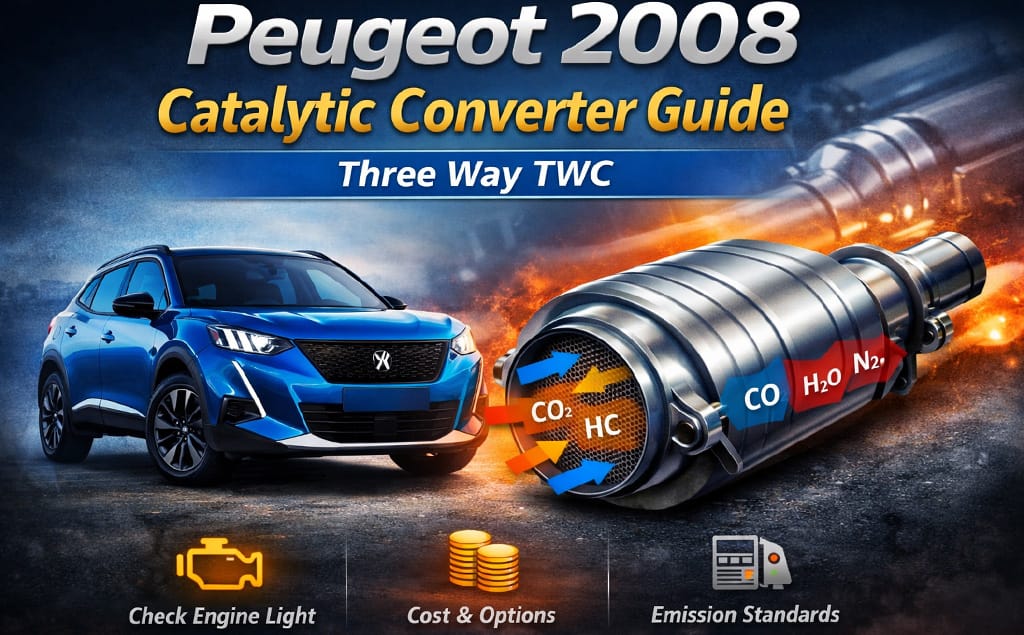
Modern vehicles rely heavily on emission control systems. The Peugeot 2008 utilizes a sophisticated device known as a three way catalytic converter. This component plays a critical role in environmental protection. It transforms toxic engine byproducts into harmless gases. Owners of the Peugeot 2008 must understand how this system works. Ignorance often leads to expensive repairs. This guide explores the engineering, diagnosis, and replacement of this vital component. We will analyze the differences between Direct Fit catalytic converter options and Universal catalytic converter alternatives. We will also touch upon High flow catalytic converter upgrades for Performance exhaust enthusiasts.
The Science Behind the Three Way Catalytic Converter
You must understand the chemistry to appreciate the function. A three way catalytic converter targets three specific pollutants. These are nitrogen oxides (NOx), carbon monoxide (CO), and unburned hydrocarbons (HC). The Peugeot 2008 engine generates these during combustion. The converter sits within the exhaust system. It uses internal substrates coated with precious metals. Platinum, palladium, and rhodium serve as the catalysts.
The first stage involves reduction. The catalyst separates nitrogen oxides into nitrogen and oxygen. This eliminates the smog-causing NOx. The second stage involves oxidation. The catalyst adds oxygen to carbon monoxide and hydrocarbons. This process creates carbon dioxide and water vapor. These reactions occur at high temperatures. The converter requires intense heat to function efficiently. Mechanics call this “light-off temperature.” Without this heat, the chemical reaction fails. This explains why emissions are higher during cold starts.

Euro Standards and The Peugeot 2008
European regulations dictate the efficiency of these devices. The Peugeot 2008 falls under specific Euro emission standards. This depends on the year of manufacture. Early models adhere to Euro 5 standards. Later models follow Euro 6 regulations. You must identify the correct standard for your vehicle. Installing a Euro 4 converter on a Euro 6 vehicle triggers fault codes. The vehicle computer (ECU) monitors the efficiency. It uses oxygen sensors to verify the chemistry.
The upstream sensor measures exhaust gas before the converter. The downstream sensor measures the gas after the converter. The ECU compares these two readings. A functioning three way catalytic converter changes the oxygen content significantly. If the readings match, the ECU assumes failure. This triggers the “Check Engine” light. This often results in a P0420 error code.
Symptoms of a Failing Catalytic Converter
You can detect failure before the dashboard light appears. A failing unit impacts the entire vehicle. Pay attention to the following indicators.
Performance Degradation A clogged converter restricts exhaust flow. This creates excessive backpressure. The engine struggles to exhale. You will notice a lack of power during acceleration. The car feels sluggish. Fuel economy drops drastically. The engine works harder to push gases through the blockage. In severe cases, the engine stalls.
Auditory and Olfactory Clues Listen for rattling noises. The ceramic honeycomb inside the shell acts as the substrate. This ceramic creates the surface area for the metals. Impact damage or thermal shock fractures this ceramic. The broken pieces rattle inside the metal shell. You will hear this most clearly at idle. Smell also indicates trouble. A sulfur smell acts as a primary warning. It resembles rotten eggs. This indicates the converter cannot process sulfur from the fuel properly.
Thermal Indications A failing converter often overheats. Unburned fuel ignites inside the unit rather than the engine. This causes the metal shell to glow red. This presents a fire hazard. You must address this immediately.
Diagnostic Procedures
Do not guess the problem. Use scientific methods to confirm failure. Mechanics use specific tools for this.
Scan Tool Analysis Connect an OBDII scanner to the Peugeot 2008. Look for code P0420. This specifically points to “Catalyst System Efficiency Below Threshold.” However, do not stop there. Analyze the live data stream. Look at the voltage of the downstream oxygen sensor. A steady line indicates a healthy converter. A fluctuating line mimicking the upstream sensor indicates failure.
Temperature Test Use an infrared thermometer. Measure the temperature at the inlet pipe. Measure the temperature at the outlet pipe. A working converter generates heat during the chemical reaction. The outlet should be hotter than the inlet. If the temperatures are identical, the reaction has stopped.
Backpressure Test Remove the upstream oxygen sensor. Insert a pressure gauge adapter. Start the engine. Rev the engine to 2500 RPM. Read the gauge. Excessive pressure confirms a blockage in the exhaust system.
Replacement Options: Direct Fit vs. Universal
You face a choice when replacing the unit. The market offers two main categories.
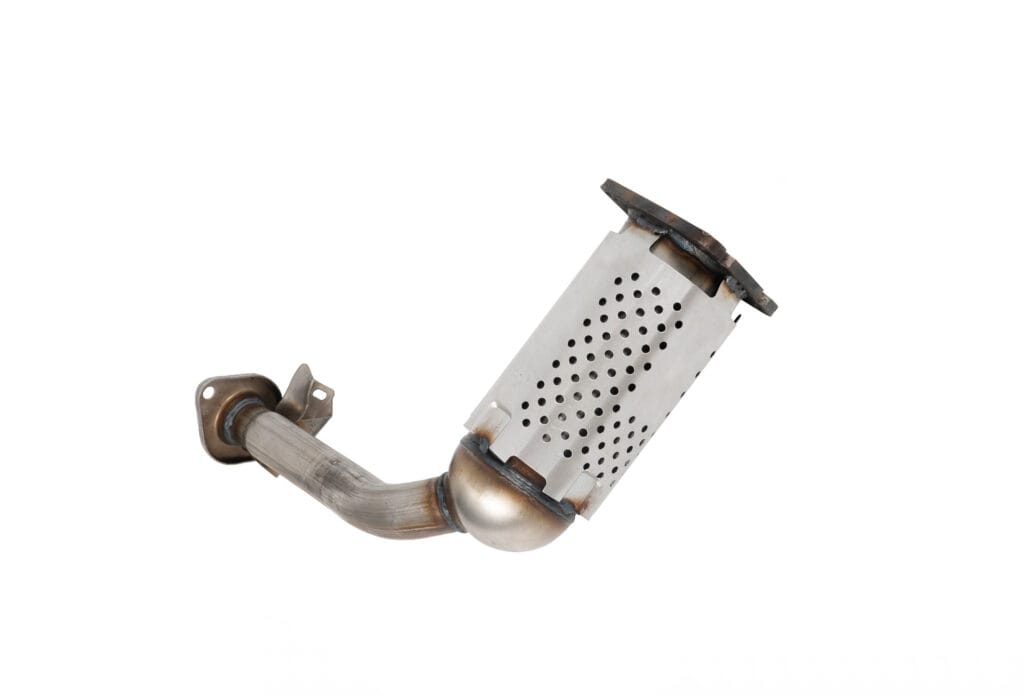
Direct Fit Catalytic Converter Engineers design these specifically for the Peugeot 2008. They feature the exact flange positions. They include the correct sensor ports. They match the pipe curvature perfectly. You bolt them on directly. No cutting or welding is necessary. We recommend Direct Fit catalytic converter options for DIY enthusiasts. Brands like Walker and Bosal offer these. They ensure compatibility with the ECU software. This reduces the risk of recurring engine codes.
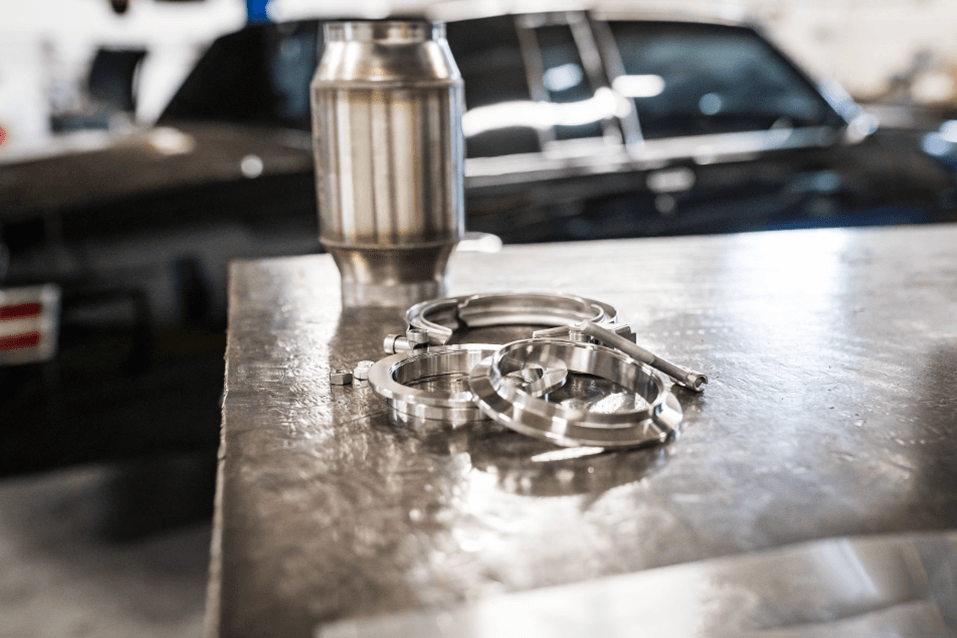
Universal Catalytic Converter These units effectively contain the catalyst core. However, they lack specific piping. You must cut the old unit out. You must weld the new unit in. This requires fabrication skills. They cost less upfront. However, labor costs often negate the savings. Use a Universal catalytic converter only if you possess welding equipment. Ensure the unit matches the engine displacement. A small unit on a large engine restricts flow.
High Flow Catalytic Converter Enthusiasts often seek performance gains. A High flow catalytic converter uses a less dense internal grid. This reduces backpressure. It allows the engine to breathe better. This complements a Performance exhaust system. However, consider the legalities. These units may not meet strict Euro standards. They often trigger check engine lights without ECU tuning. Use these primarily for modified vehicles.

Comparative Analysis of Replacement Types
The following table compares the attributes of the different replacement options for your Peugeot 2008.
| Feature | Direct Fit Catalytic Converter | Universal Catalytic Converter | High Flow Catalytic Converter |
|---|---|---|---|
| Installation | Bolt-on (Easy) | Weld-on (Difficult) | Varies (Usually Weld-on) |
| Cost | Moderate to High | Low | High |
| Flow Rate | OEM Standard | Standard | Enhanced |
| Emissions | Euro Compliant | Variable Compliance | Often Non-Compliant |
| Ideal For | Standard Repair | Budget Repair | Performance Tuning |
| Tools Needed | Wrench/Socket Set | Welder/Cutter | Welder/Tuning Software |
The Replacement Process for Peugeot 2008
Follow this logical sequence to replace the unit safely.
Preparation and Safety Park on a level surface. Allow the exhaust to cool completely. Hot exhaust components cause severe burns. Jack the vehicle up. Secure it on jack stands. Never work under a car supported only by a jack. Gather your tools. You need penetrating oil, a socket set, and an O2 sensor socket.
Removal Steps Locate the converter. It usually sits near the exhaust manifold on the Peugeot 2008. Apply penetrating oil to the bolts. Rust often seizes exhaust fasteners. Let the oil soak. Disconnect the oxygen sensors carefully. Do not damage the wiring harness. Unscrew the mounting bolts. Remove the clamps. Wiggle the old unit free. Inspect the old gaskets. Remove any debris from the mating surfaces.
Installation Steps Compare the new unit with the old one. Check the flow direction arrow. The arrow must point toward the tailpipe. Install new gaskets. This step prevents dangerous exhaust leaks. Position the Direct Fit catalytic converter. Insert the bolts loosely. align the flanges. Tighten the bolts to the manufacturer’s torque specifications. Reinstall the oxygen sensors. Apply anti-seize compound to the sensor threads. Connect the wiring.
Post-Installation Testing Lower the vehicle. Start the engine. Listen for hissing sounds. Hissing indicates a leak at the gasket. Check the dashboard. The check engine light should remain off. Drive the vehicle for a specific drive cycle. This allows the ECU to recalibrate.
Maintenance and Prevention Strategies
A three way catalytic converter does not die naturally. External factors usually kill it. You must maintain the engine to protect the converter.
Ignition System Health Misfires destroy converters. A misfire sends raw fuel into the exhaust. This fuel ignites inside the converter. The resulting temperature spike melts the ceramic core. Replace spark plugs on schedule. Check ignition coils regularly. Fix rough idling immediately.
Fluid Contamination Oil and coolant poison the catalyst. Oil coats the precious metals. This stops the chemical reaction. Coolant creates a similar barrier. Fix head gasket leaks promptly. Replace worn piston rings. Use low-ash engine oil if recommended by Peugeot.
Fuel Quality Low-quality fuel contains contaminants. High sulfur content damages the catalyst. Use reputable fuel stations. Consider periodic fuel system cleaners. These remove carbon deposits from the injectors. Clean injectors ensure a proper fuel mixture.
Legal and Environmental Considerations
Removing the converter is illegal in most jurisdictions. This constitutes tampering with emissions control. Authorities impose heavy fines for this offense. Do not replace a converter with a straight pipe. This increases pollution significantly. It also causes the vehicle to fail annual inspections. The MOT in the UK requires a functioning catalyst. Smog checks in the US require the same.
A Performance exhaust system must still retain a functional catalyst. Modern High flow catalytic converter options exist to satisfy both power and law. Choose a unit with EPA or E-mark certification. This ensures it meets the required filtration standards.
Conclusion
The three way catalytic converter remains a cornerstone of modern automotive engineering. It balances engine performance with environmental stewardship. Peugeot 2008 owners must recognize the symptoms of failure. Early detection saves money. Understanding the difference between a Direct Fit catalytic converter and a Universal catalytic converter empowers you to make the right purchase. Regular maintenance of the engine ensures the longevity of the exhaust system. Treat the root cause of the failure, not just the symptom. A healthy engine protects the catalyst. A healthy catalyst protects the environment.