Introduction
The Toyota Corolla uses a catalytic converter as a core component of its emission control system. Modern emission standards, including North American EPA regulations and global Euro norms, require effective aftertreatment solutions for gasoline engines. The three-way catalytic converter, often called a TWC or simply a “cat,” removes carbon monoxide, hydrocarbons, and nitrogen oxides from the exhaust stream. This guide explains how many catalytic converters a Toyota Corolla uses, how the system works, and why the configuration varies across generations and engine types. It also provides technical background, comparisons, and additional details to help owners understand this essential emission-control device.
What a Catalytic Converter Does
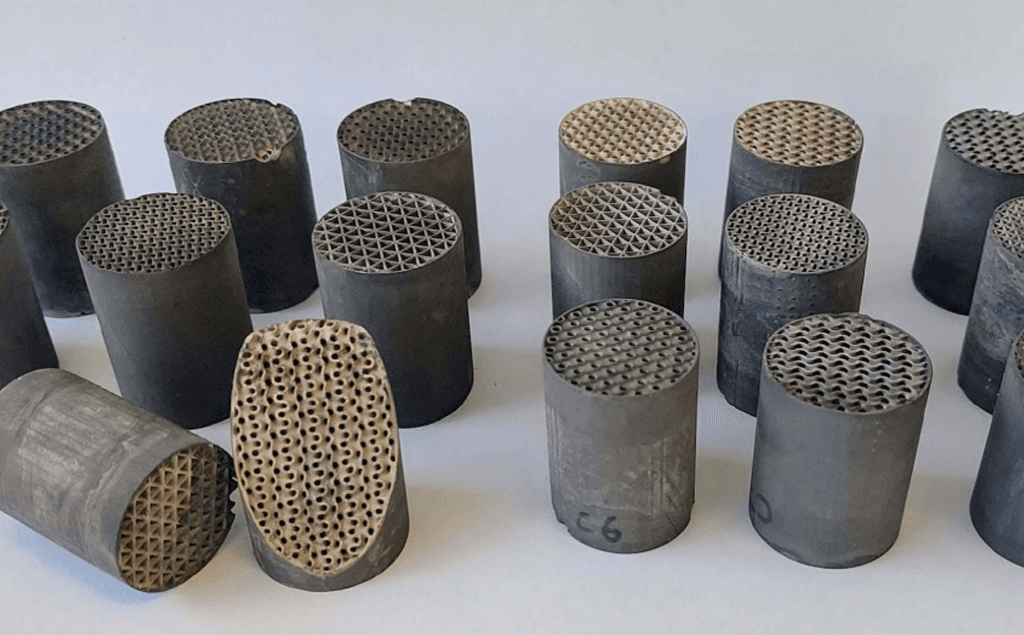
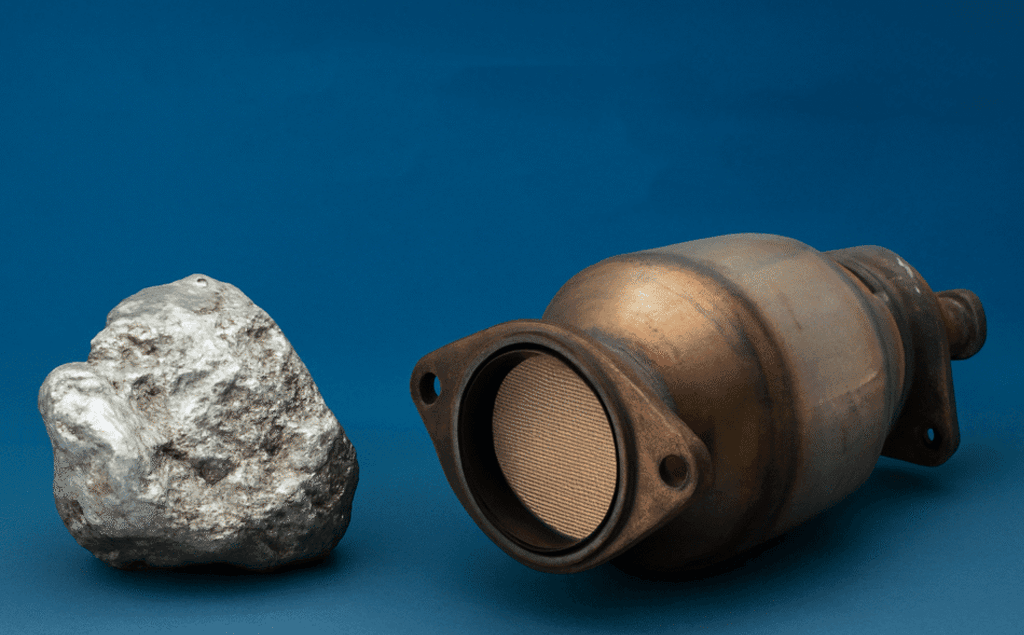
A catalytic converter reduces harmful pollutants through oxidation and reduction reactions. Exhaust gases flow through a ceramic or metallic honeycomb substrate coated with platinum, palladium, and rhodium. These metals act as catalysts. They accelerate reactions without being consumed. As the hot gases contact the active surface, CO oxidizes to CO₂, unburned hydrocarbons convert to CO₂ and H₂O, and NOₓ breaks apart into nitrogen and oxygen. The TWC performs all three reactions. This is why engineers describe it as “three-way.”
Modern Corolla engines rely on closed-loop fuel control. The oxygen sensor monitors the air-fuel ratio. The engine control unit adjusts fuel delivery to maintain stoichiometry. This balance keeps the catalytic converter operating at peak efficiency. A TWC needs this environment to achieve rapid conversion and low tailpipe emissions.

How Many Catalytic Converters a Toyota Corolla Uses
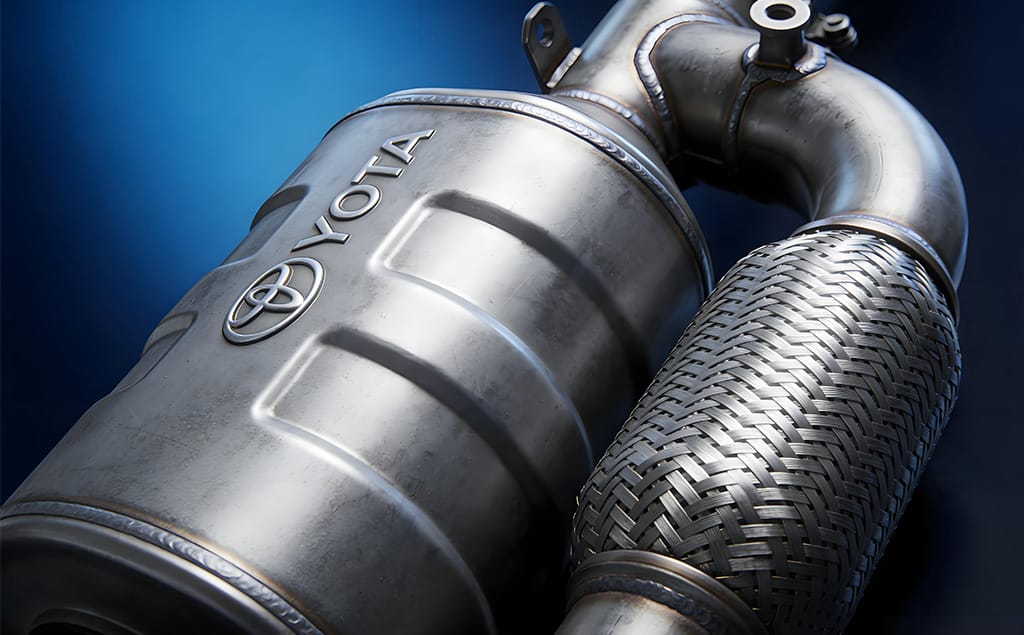
Most Toyota Corolla gasoline models use one catalytic converter in the exhaust system. Standard 1.8-liter engines typically place the converter near the exhaust manifold. This location helps it reach high temperatures quickly. Fast light-off reduces cold-start emissions. Toyota engineers prioritize rapid activation because the first 30 seconds of operation generate the highest emissions.
Corolla hybrid models may use two catalytic converters. One converter supports the gasoline engine. The second converter manages emissions when the hybrid system transitions between electric and internal combustion operation. Dual-converter designs help maintain stable emissions during load changes.
Some aftermarket exhaust systems also add a secondary converter. Performance systems sometimes include high-flow catalytic converters. High-flow designs reduce backpressure and support stronger exhaust scavenging. These converters still perform the same basic reactions but use a freer substrate structure. High-flow catalytic converters benefit engines tuned for higher output.
Adding extra catalytic converters does not always improve performance. Too much resistance in the exhaust system increases pumping losses. Excess substrate density slows gas velocity. This effect reduces efficiency and power. For this reason, the Corolla’s factory configuration focuses on balanced flow and optimized emissions.
Catalytic Converter Count by Corolla Model Year
The following table summarizes typical converter configurations across Corolla generations.
| Model Year Range | Powertrain Type | Typical Converter Count |
|---|---|---|
| 2000–2008 | Gasoline | 1 |
| 2009–2013 | Gasoline | 1 |
| 2014–2019 | Gasoline | 1 |
| 2020–Present | Gasoline | 1 |
| 2020–Present | Hybrid | 2 |
These values represent common configurations. Specific markets may vary because different regions follow different emission regulations.
Does a 2004 Toyota Corolla Have a Catalytic Converter?
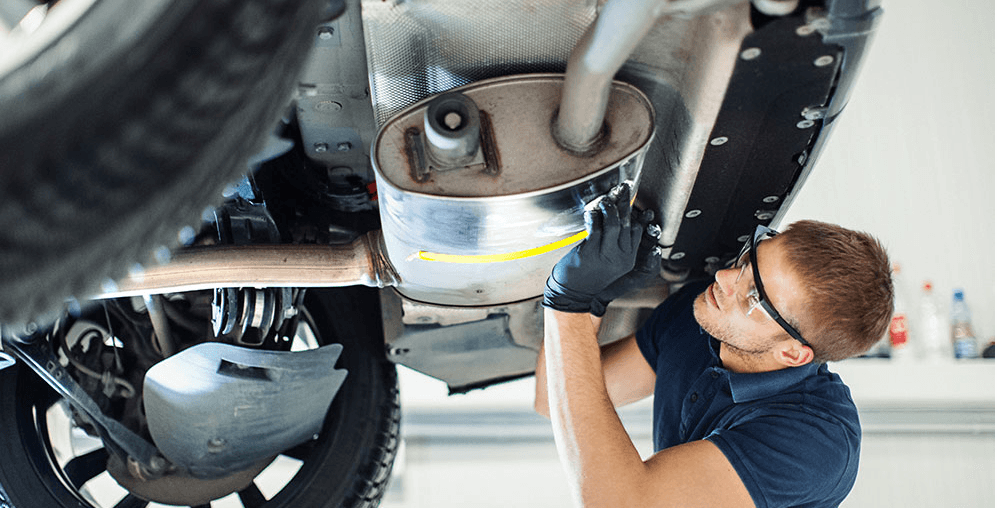
Yes. The 2004 Toyota Corolla uses one three-way catalytic converter. It sits near the front of the exhaust system. This unit reduces CO, HC, and NOₓ before the gases exit the tailpipe. If the vehicle fails an emissions test or shows symptoms such as reduced acceleration, higher fuel consumption, or a sulfur smell, the converter may need inspection. A malfunctioning converter often triggers a check-engine light. A qualified technician can diagnose the cause and confirm whether the converter requires replacement.
Corolla Converter Location (2014–2019)
For the 2014–2019 Corolla, the catalytic converter sits close to the exhaust manifold. Engineers place it in this location to ensure rapid heating. A hot converter functions more efficiently. The upstream oxygen sensor sits before the converter. The downstream sensor sits after the converter. These sensors measure performance and allow the ECU to maintain stable emissions.
Extra Section: How a Three-Way Catalytic Converter Works in Real Time
A three-way catalytic converter performs reactions in milliseconds. Exhaust pulses enter the substrate at high temperature. The catalyst surface separates molecules and forms new compounds as the gases move through thousands of microchannels. Engineers design the channel density to balance conversion efficiency and gas flow. Higher cell density increases surface area. Lower density improves flow. Manufacturers choose a density that matches engine displacement and emissions goals.
During steady-state cruising, the converter operates in a stable environment. Fuel mixture stays near stoichiometric. The catalyst remains at high efficiency. During hard acceleration, exhaust flow increases, and temperature rises. The TWC handles this heat because the substrate can withstand extreme conditions. Proper fuel control prevents overheating.
Extra Section: Factors That Influence Converter Lifespan
Converter lifespan depends on fuel quality, engine performance, and maintenance practices. Unburned fuel entering the converter can overheat the catalyst. Oil consumption can coat the substrate and reduce surface activity. Misfires send excess hydrocarbons into the converter and cause thermal stress. Owners can protect the converter by replacing spark plugs on schedule, monitoring oil levels, and addressing misfire codes immediately.
The table below lists common causes of converter degradation.
| Cause | Effect on Converter |
|---|---|
| Misfires | Overheating, substrate melting |
| Oil burning | Catalyst poisoning |
| Coolant leakage | Surface contamination |
| Rich fuel mixture | Reduced catalytic activity |
| Low-quality fuel | Increased deposits |
Understanding these causes helps owners maintain converter performance over the long term.
Conclusion
The Toyota Corolla relies on the three-way catalytic converter to meet modern emission standards. Most gasoline Corolla models use one converter. Hybrid versions may use two. Aftermarket performance systems sometimes add a second high-flow catalytic converter for improved exhaust flow. Although the number of converters varies, each unit plays an essential role in reducing harmful emissions and supporting efficient engine operation. Routine maintenance and timely diagnosis protect the catalytic converter and ensure the vehicle continues to deliver reliable, clean performance.