Uvod
Moderni auspuhi ne mogu obavljati svoju funkciju - održavati motore snažnim i čistim - bez tehnologije za kontrolu emisija. Među tim komponentama, trostruki katalizator služi kao primarna odbrana od štetnih zagađivača. Vlasnici automobila često se susreću s problemima s ovim vitalnim dijelom tokom životnog vijeka vozila. Zarđala školjka, unutrašnje zveckanje ili začepljena jezgra mogu brzo dovesti do skupih troškova za popravku.
Mnogi vozači ne razumiju tačnu funkciju ovog uređaja sve dok ne pokvari. Unutra ćemo objasniti kako... trostruki katalizatori zapravo funkcionišu, šta utiče na troškove zamjene u 2026. godini i kako ih popraviti bez prevelikog trošenja novca.
Šta je trosmjerni katalitički konvertor?
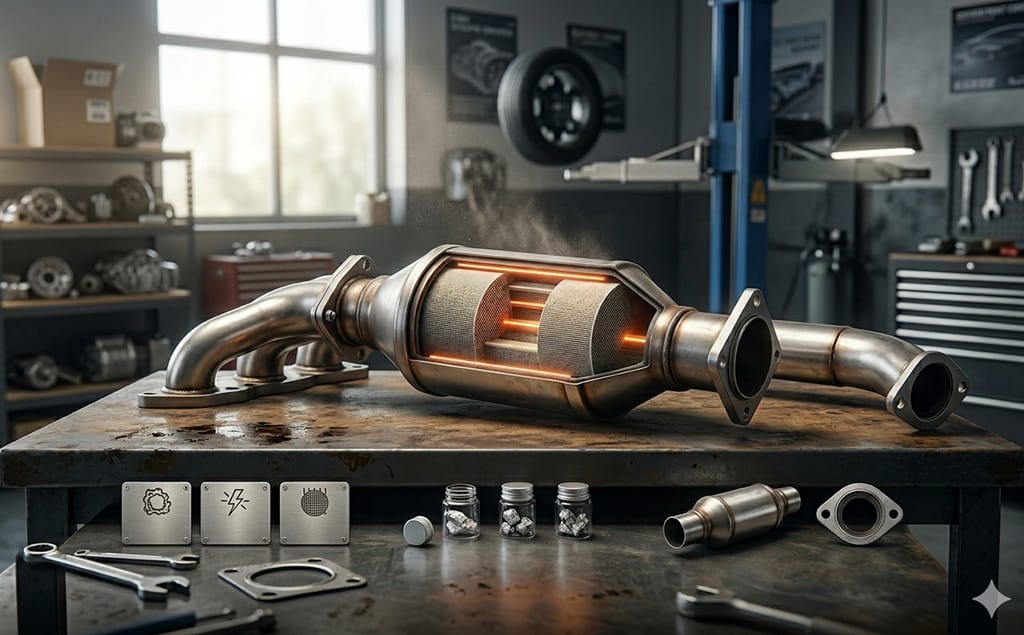
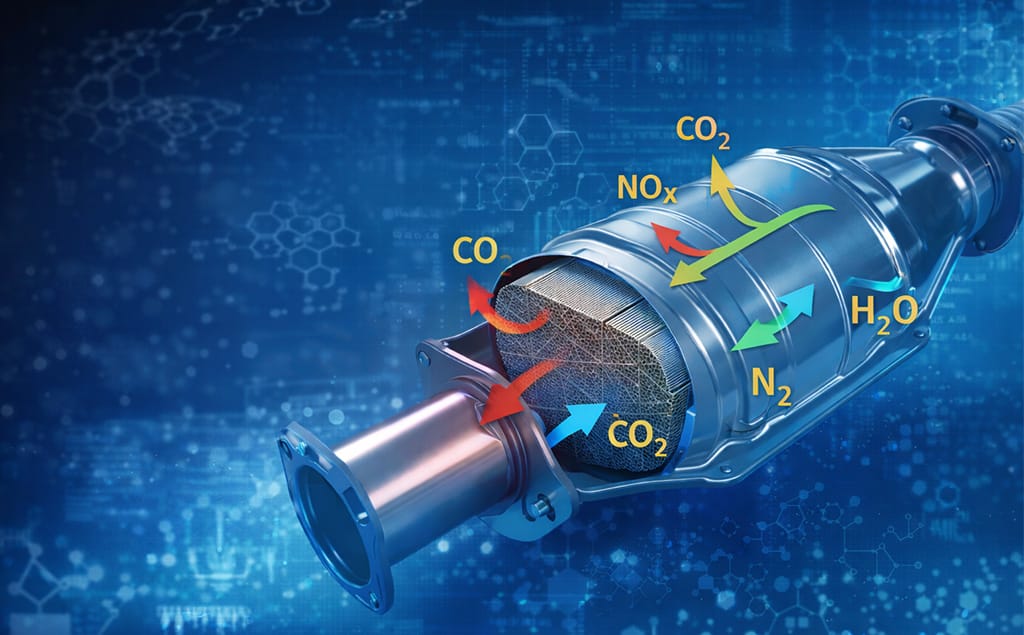
Jednostavno rečeno, a trostruki katalizator odgovara općoj veličini i obliku standardnog prigušivača ispuha. Mehaničari ugrađuju ovaj uređaj direktno u ispušnu cijev uzvodno od auspuha. Iako vanjsko kućište podsjeća na prigušivač i prigušuje dio buke ispuha, akustika ne predstavlja njegovu glavnu funkciju. Proizvođači su uveli ove komponente sredinom 1970-ih kako bi hvatali, spaljivali i mijenjali štetne spojeve unutar ispušnog toka. Prije ove tehnologije, ovi zagađivači su izlazili direktno u atmosferu.
[Engine Exhaust] ---> [Three-Way Catalytic Converter] ---> [Cleaner Tailpipe Emissions]
Ne moraš biti mehaničar da bi razumio/razumjela svoje trostruki katalizatorOvaj članak se direktno bavi time kako funkcionišu, zašto cijene za 2026. godinu postaju sve veće i kako se popravke mogu obaviti s minimalnim budžetom. Unutar ove posude nalazi se gusta... metalna ili keramička saćasta strukturaOvo unutrašnje jezgro prisiljava sirove izduvne gasove da prolaze kroz mikrokanale kako bi pretvorili opasne molekule u manje štetne elemente prije nego što izađu iz vozila. Da bi se održalo three catalytic converter Radeći s maksimalnom efikasnošću na cesti, automobili proizvedeni nakon 1995. godine oslanjaju se na nizvodni senzor kisika kako bi stalno pratili podatke o ispušnim plinovima.
Why Do Catalytic Converters Fail?
A trostruki katalizator podnosi nevjerovatno teške radne uslove tokom cijelog svog životnog ciklusa. Zimska so na putevima i vlažno vrijeme u sjevernim regijama su poznati po tome što hrđaju vozila. Zato su se proizvođači prebacili na robusne materijale nehrđajući čelik za današnje zamjenske komponente - osiguravajući da zaista traju.
- Vanjski kvarovi: Vanjska hrđa na kraju stvara masovno curenje izduvnih gasova. Često se spojne prirubnice potpuno degradiraju, odvajajući izduvnu cijev i stvarajući zaglušujuću buku tokom jutarnjih hladnih paljenja.
- Unutrašnje podjele: Između termičkog udara i letećeg šljunka s ceste, ta zamršena unutrašnja struktura u obliku saća može lako puknuti kako se kilometri povećavaju. Ovo strukturno pucanje proizvodi prepoznatljiv zvuk kucanja ili metalnog zveckanja ispod kabine vozila.
- Zagađenje motora: Kada motor radi na nisku temperaturu, može doći do začepljenja jezgre katalizatora. Sagorijevanje ulja, curenje rashladne tečnosti ili čađ od nesagorjelog goriva lako će začepiti te sitne prolaze u obliku saća. Ova kontaminacija stvara ozbiljno ograničenje ispušnih plinova ili potpunu blokadu.
⚠️ Napomena: Svi ovi scenariji zahtijevaju potpunu zamjenu komponente, što gotovo uvijek aktivira lampicu upozorenja na instrument tabli.
Technical Specifications and Fitment Categories
1. Opcije ugradnje
Prilikom nabavke novog trostruki katalizator, morate birati između dvije osnovne mehaničke konfiguracije:
- Jedinice za direktno ugradnju: Govorimo o 100% specifičnom za godinu proizvodnje i model. Prirubnice dolaze unaprijed zavarene tačno prema specifikacijama, tako da se jednostavno ugrade i pričvrste vijcima bez ikakvih problema.
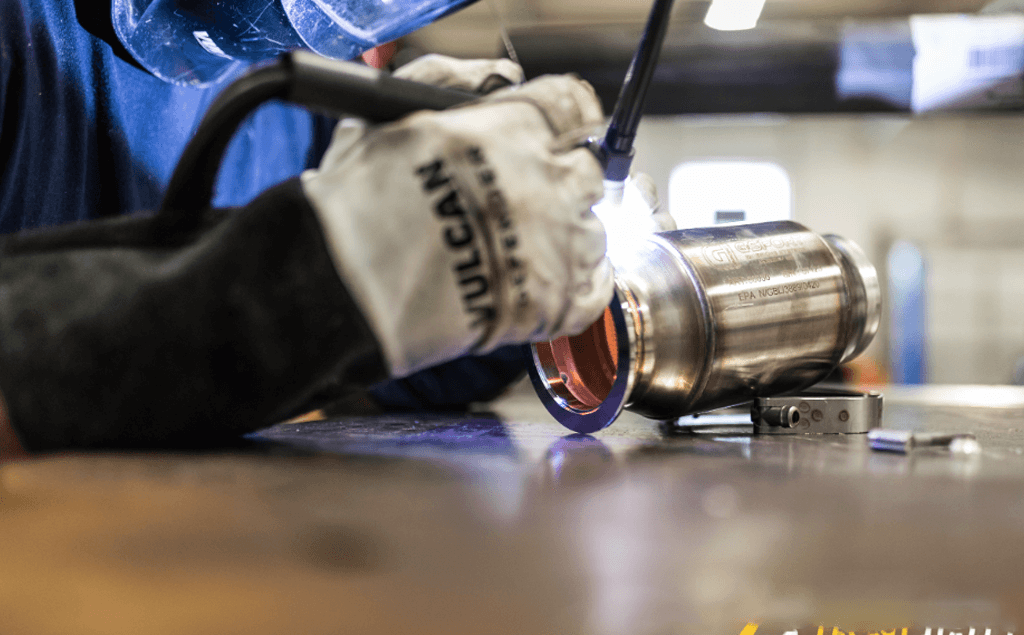
- Univerzalne jedinice: Proizvođači dizajniraju ove komponente kako bi odgovarale širokom spektru vozila. Nedostaju im specifične cijevi ili prirubnice, što zahtijeva prilagođene modifikacije i zavarivanje tokom instalacije.
2. Kategorije usklađenosti s emisijama
Propisi o emisijama diktiraju vrstu interne katalitičke hemije koja je potrebna vašem vozilu:
- Federalni (u skladu sa EPA): U potpunosti usklađeni sa standardima na nacionalnom nivou, ovi uređaji ispunjavaju sve uslove i za federalne i za državne standarde emisija.
- Kalifornija (u skladu sa CARB-om): The Kalifornijski odbor za zračne resurse provodi mnogo strože smjernice za efikasnost katalizatora. Vozači moraju koristiti dijelove koji su u skladu s CARB standardima u Kaliforniji, New Yorku, Coloradu, Maineu i nekoliko drugih država. Nećete proći lokalne inspekcije emisija ako instalirate jedinicu koja nije u skladu s propisima.
Cost Breakdown: Parts, Labor, and Logistics
Velika razlika u cijenama zamjenskih dijelova često frustrira vlasnike vozila. Ukupni troškovi zamjene obično se kreću od 900 do 4.500 dolara za dijelove i rad u 2026. godini, iako se većina standardnih popravki kreće između 1.600 i 2.500 dolara.
Visoka cijena odražava plemenite metale koji se nalaze u jezgru - posebno platinu, paladij i rodij. Stalna volatilnost na globalnim tržištima roba za ove metale direktno diktira maloprodajne cijene dijelova.
Troškovi direktne ugradnje u odnosu na univerzalnu instalaciju
- Univerzalne jedinice: Profesionalna radionica za prigušivače često može zavariti zamjensku univerzalnu jedinicu s naknadnog tržišta. 200 do 300 dolara u dijelovima. Tehničar izrezuje neispravni katalizator iz sklopa ispušne cijevi i zavari ili pričvrsti novu univerzalnu jedinicu u otvor.
- Jedinice za direktno ugradnju: Moderno automobilsko inženjerstvo često integriše trostruki katalizator direktno u složene ispušne cijevi motora ili sam sklop ispušne grane. Ove napredne konfiguracije ostavljaju direktno ugradbenu jedinicu kao jedinu održivu opciju popravke. Kod direktnog ugradnje, to je posao jednostavnog pričvršćivanja vijcima - samo zamijenite staru prirubnicu i pričvrstite novu komponentu vijcima. Da, imaju mnogo veću cijenu od univerzalnih zamjena, ali plaćate za složeni inženjering koji stoji iza njih. Samo direktno ugradljiva komponenta košta između 300 i 2.500 dolara u zavisnosti od modela vašeg vozila.
Radna snaga i regionalne varijable
Cijene profesionalnog rada dodaju još jedan sloj konačnoj fakturi. Očekujte da ćete platiti između 70 i 130 dolara po satu za mehanički rad. Kompletan proces instalacije obično zahtijeva dva do četiri sata vremena u radionici, ovisno o dostupnosti komponenti.
Nadalje, regije koje su u skladu s CARB-om suočavaju se s višim troškovima dijelova zbog veće koncentracije plemenitih metala potrebnih za ispunjavanje strogih državnih pragova emisija.
Pregled procijenjenih investicija za 2026. godinu
| Nivo popravke | Tip komponente | Prosječni trošak materijala | Procijenjeni trošak rada | Ukupna procijenjena investicija |
|---|---|---|---|---|
| Niži klasni | Univerzalni aftermarket | 100 – 500 dolara | 150 – 300 dolara | 900 – 1.500 dolara |
| Srednji domet | Standardno direktno prileganje | 300 – 1.800 dolara | 200 – 400 dolara | 1.600 – 2.500 dolara |
| Vrhunski | OEM / Luksuzni / Dvostruki sistem | 1.500 – 3.500 dolara | 400 – 1.000 dolara | 3.000 – 4.500+ dolara |
How Precious Metals Drive Catalyst Expenses
Uloga rijetkih elemenata
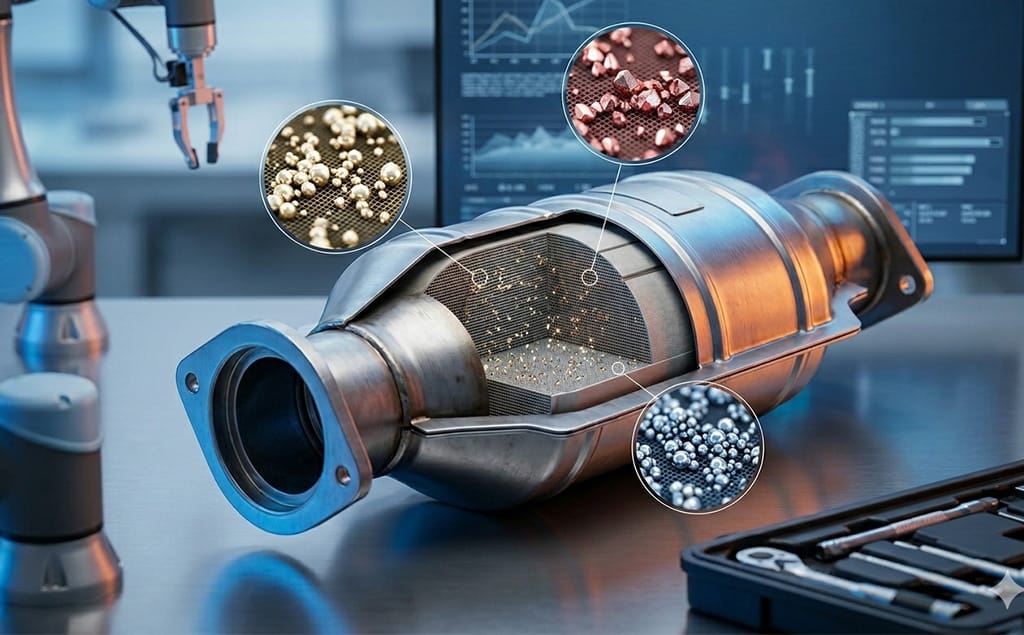
Mnogi vozači se pitaju zašto relativno mala metalna posuda zahtijeva tako visoku cijenu. Odgovor leži u mikroskopskom hemijskom sloju nanesenom na unutrašnju saćastu strukturu. Visoko efikasan... trostruki katalizator oslanja se na tri primarna plemenita metala kako bi pokrenuo potrebne reakcije hemijske redukcije i oksidacije:
- Platina (Pt): Djeluje efikasno kao oksidacijski katalizator za pretvaranje nesagorjelih ugljikovodika i ugljičnog monoksida u bezopasnu vodenu paru i ugljični dioksid.
- Paladijum (Pd): Služi sličnoj svrsi kao platina, pružajući stabilnost na visokim temperaturama i efikasno obrađujući sirove gorivne elemente.
- Rodij (Rh): Funkcioniše kao katalizator kritične redukcije. Razgrađuje opasne molekule azotnog oksida ($NO_x$) na bezopasne gasove azota i kiseonika.
Volatilnost tržišta i rizici od krađe
Budući da rudarske korporacije globalno vade ove plemenite metale u ograničenim količinama, troškovi sirovina ostaju izuzetno visoki. Kada globalna potražnja poraste, veleprodajni troškovi proizvodnje... trostruki katalizator shodno tome raste.
Ova inherentna vrijednost je također pretvorila automobilske ispušne sisteme u primarne mete za kradljivce starog metala. Ako lopov izreže katalizator iz vašeg vozila, često uništava okolne senzore kisika i nosače ispušnih cijevi. Ovaj vandalizam dodaje stotine dolara na popravke cijevi vašem osnovnom računu za zamjenu komponenti.
Common Bad Catalytic Converter Symptoms
Kao i sve ostalo na automobilu, katalitički konvertori se s vremenom pokvare. Simptome kvara katalizatora morate uočiti rano, inače ćete se suočiti s mnogo većom i skupljom katastrofom motora u budućnosti. Ključni indikatori neispravne komponente uključuju:
- Lokalizirano curenje izduvnih gasova direktno ispod putničke kabine ili blizu vatrozida.
- Uporni metalni zvuk zveckanja koji dolazi ispod šasije tokom praznog hoda motora.
- Osvjetljena kontrolna ploča Lampica za provjeru motora prikazivanje kodova efikasnosti katalizatora (kao što je P0420).
- Oštar, sumporni miris "pokvarenog jajeta" izlazak iz auspuha tokom rada ili praznog hoda.
- Motor se usporava, gas se čini nevjerovatno sporim, a vozilo se muči da ubrza. Kada ga profesionalno skenirate, tehničari će često uočiti i suludo visoke radne temperature.
Tokom profesionalnog dijagnostičkog pregleda, tehničar može primijetiti i ekstremne radne temperature. Ponekad će neispravno ili začepljeno jezgro sjaj trešnja crvene boje pod velikim opterećenjem zbog ograničenog toplotnog protoka.
Risks of Ignoring Catalyst Failures
Vozači nikada ne bi trebali ignorisati sumnjive probleme sa auspuhom zbog straha od troškova popravke. Odgađanje ovog vitalnog servisa uzrokuje ozbiljne sekundarne mehaničke probleme.
Ograničen put ispušnih plinova uzrokuje nagli porast povratnog pritiska, što brzo smanjuje potrošnju goriva. Ako se ne kontrolira, blokada ugrožava komore za sagorijevanje, što se manifestira kao jako podrhtavanje motora, neravnomjeran rad i konačni kvar pogonskog sklopa.
[Ignored Catalyst Clog] ---> [High Exhaust Backpressure] ---> [Engine Misfires] ---> [Complete Powertrain Failure]
Dijagnostički kodovi grešaka kao što su P0420 utvrditi nisku efikasnost katalitičkog sistema, iako problemi s motorom uzvodno često uzrokuju kvar. Rješavanje ovih osnovnih problema odmah štiti vaš novčanik od katastrofalnih troškova remonta motora.
Pored mehaničkih problema, vožnja s mrtvom mačkom može vas dovesti u pravne probleme s lokalnim ekološkim zakonima. Većina država vam neće dozvoliti da obnovite godišnju registraciju osim ako ne prođete kontrolu emisija štetnih gasova. Uništen ili ukraden katalizator znači automatski kvar, što će vaše vozilo legalno spriječiti da se vozi na cesti.
Zaključak
Kada vaš katalizator radi svoj posao, vaš automobil radi odlično, a okolina ostaje čista. Zamjena katalizatora nije baš jeftina, ali ako se dobro informišete o opcijama, uštedjet ćete mnogo novca. Iako troškovi zamjene predstavljaju značajnu finansijsku investiciju, razumijevanje vaših opcija pomaže u kontroli tih troškova. Bez obzira da li se odlučite za univerzalni ili direktno ugradbeni dio, provjera lokalnih zakona o emisijama i rano rješavanje problema uštedjet će vam značajno vrijeme i novac. Nemojte samo čekati da vam se upali lampica za provjeru motora - pronađite pouzdanu lokalnu radionicu ili odmah nabavite visokokvalitetnu zamjenu kako biste ponovo osposobili svoje vozilo za rad.