Кіріспе
Modern exhausts can’t do their job—keeping engines powerful and clean—without their emissions control tech. Among these components, the үш жақты каталитикалық түрлендіргіш serves as the primary defense against harmful pollutants. Car owners often encounter issues with this vital part during the lifespan of a vehicle. A rusted shell, an internal rattle, or a clogged core can quickly lead to an expensive repair bill.
Many drivers do not understand the exact function of this device until it fails.Inside, we unpack how үш жақты каталитикалық түрлендіргіштер actually work, what’s driving replacement costs in 2026, and how to fix them without breaking the bank.
What Is a Three-Way Catalytic Converter?
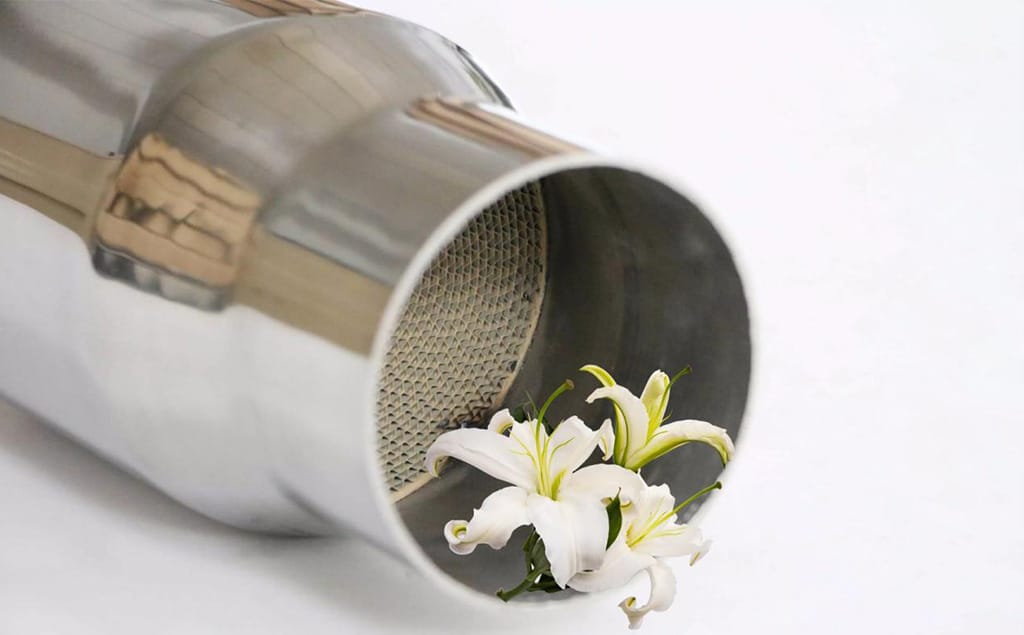
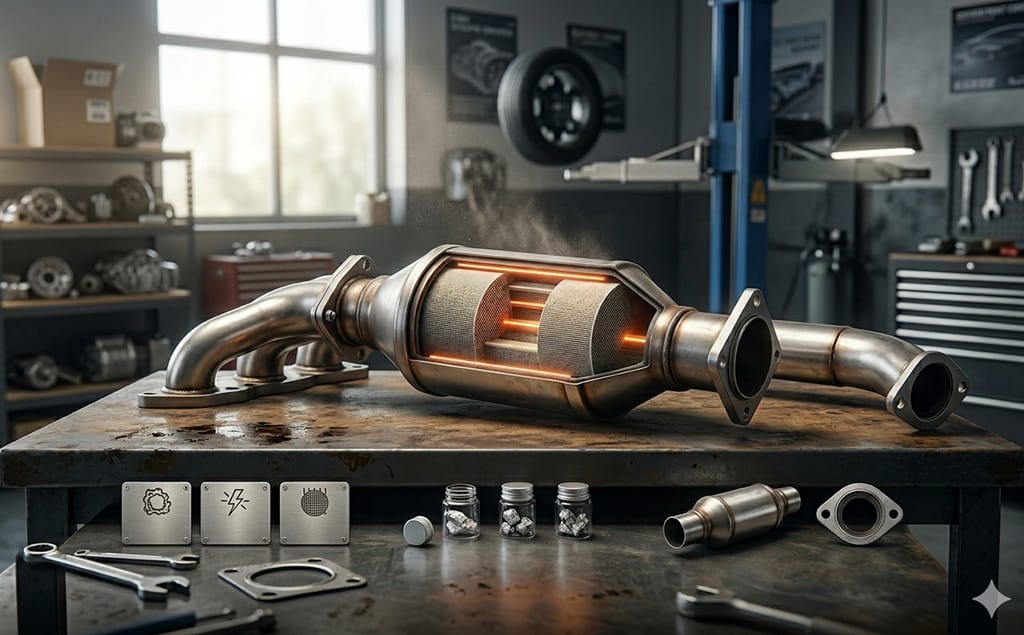
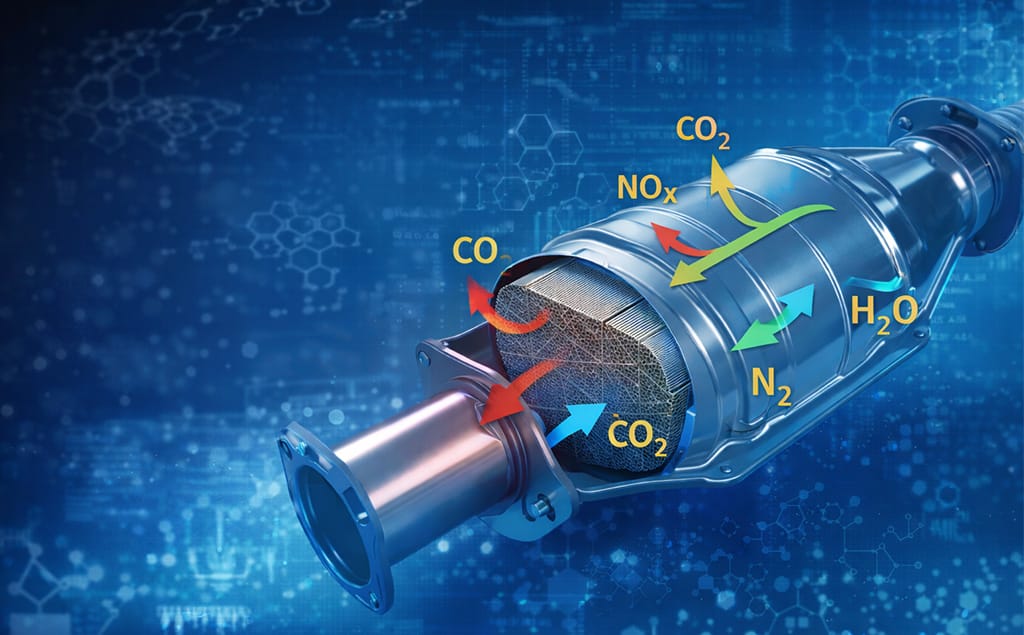
In simple terms, a үш жақты каталитикалық түрлендіргіш matches the general size and shape of a standard exhaust muffler. Mechanics install this device directly into the exhaust pipe upstream from the tailpipe. While the outer casing resembles a muffler and dampens some exhaust noise, acoustics do not represent its main function. Manufacturers introduced these components in the mid-1970s to capture, burn, and alter harmful compounds within the exhaust stream. Before this technology, these pollutants exited straight into the atmosphere.
[Engine Exhaust] ---> [Three-Way Catalytic Converter] ---> [Cleaner Tailpipe Emissions]
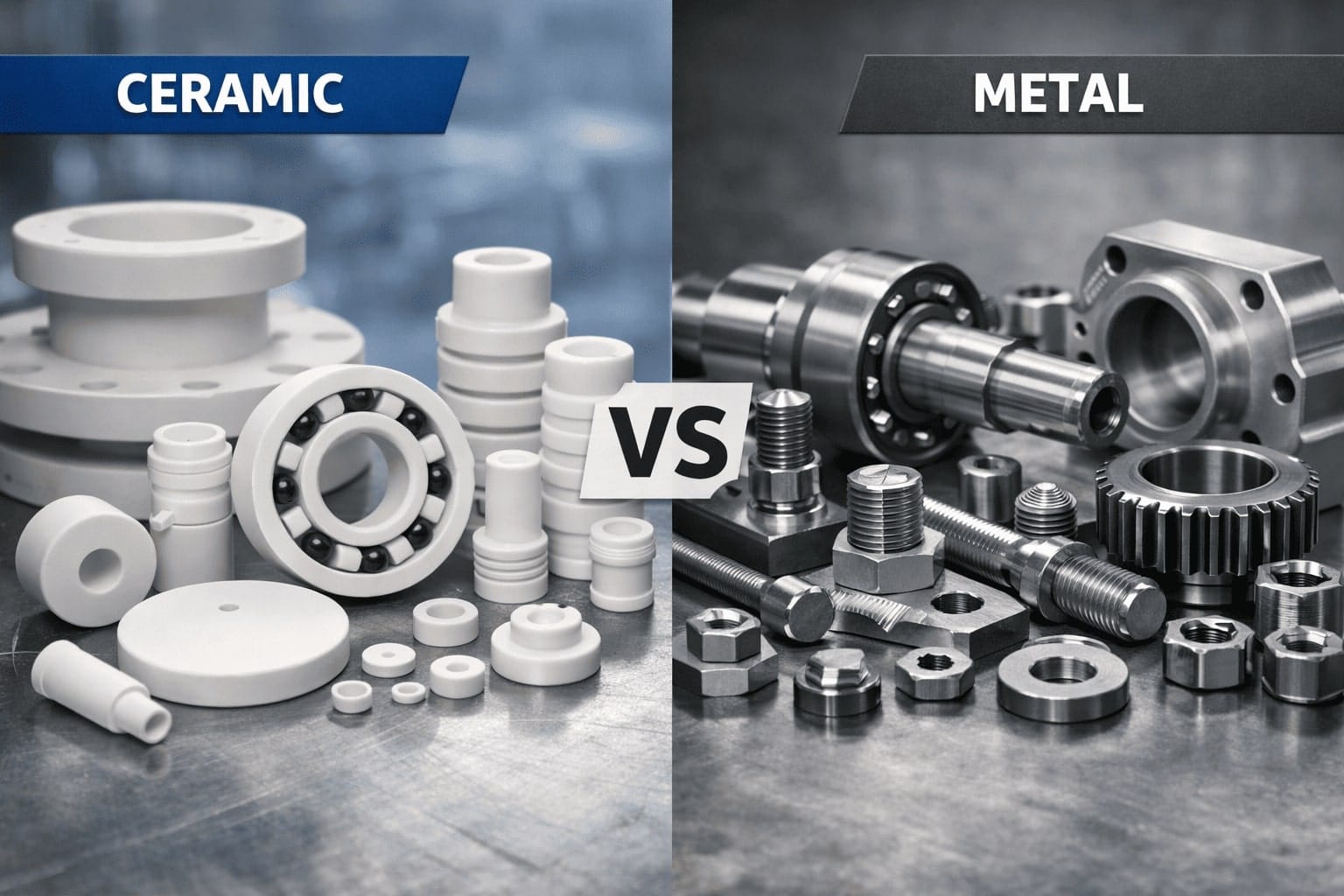
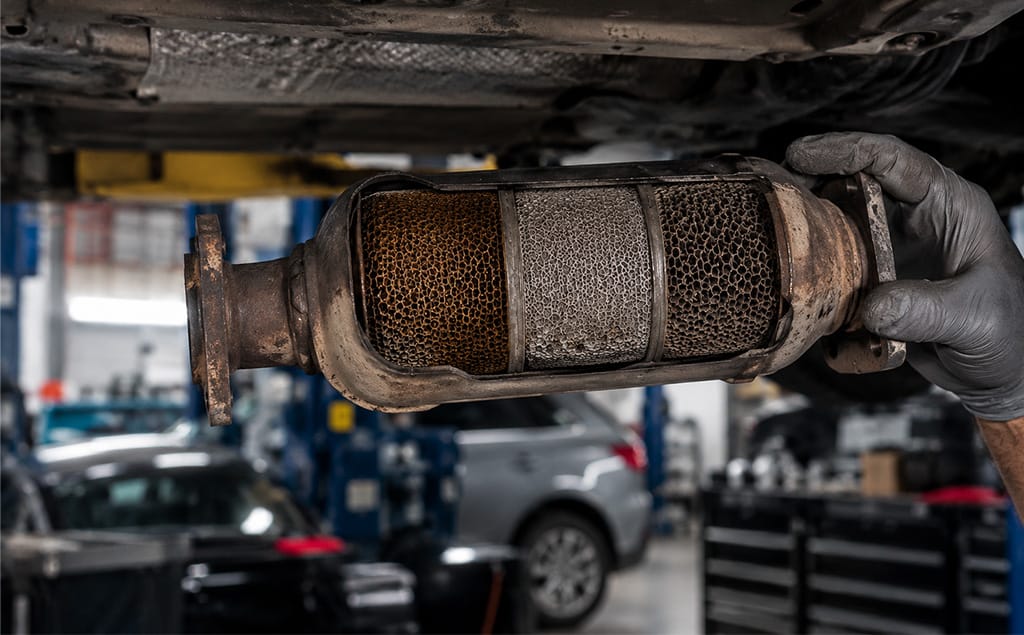
You don’t have to be a mechanic to understand your үш жақты каталитикалық түрлендіргіш. This post dives straight into how they work, why 2026 price tags are getting crazy, and ways to handle repairs on a shoestring.Inside this canister lies a dense metallic or ceramic honeycomb structure. This internal core forces raw exhaust gases through micro-channels to convert dangerous molecules into less harmful elements before they exit the vehicle. To keep the үш каталитикалық түрлендіргіш running at peak efficiency on the road, post-1995 cars rely on a downstream oxygen sensor to constantly track exhaust data.
Why Do Catalytic Converters Fail?
А үш жақты каталитикалық түрлендіргіш endures an incredibly harsh operating environment throughout its lifecycle. Winter road salt and damp weather in northern regions are notorious for rusting out vehicles. That’s why manufacturers have shifted to rugged тот баспайтын болат for today’s replacement components—ensuring they actually last.
- External Failures: External rust eventually creates a massive exhaust leak. Frequently, the connecting flanges degrade entirely, separating the exhaust pipe and creating deafening noise levels during morning cold starts.
- Internal Breakdowns: Between thermal shock and flying road gravel, that intricate internal honeycomb setup can easily crack as miles add up. This structural breakdown produces a distinct knocking or metallic rattling sound from underneath the vehicle cabin.
- Engine Contamination: When an engine goes south, it can gunk up the converter core. Burning oil, coolant leaks, or unburnt fuel soot will easily choke off those tiny honeycomb passages. This contamination creates a severe exhaust restriction or a complete blockage.
⚠️ Note: All of these scenarios require a total replacement of the component, which almost always triggers a dashboard warning light.
Technical Specifications and Fitment Categories
1. Fitment Options
When sourcing a new үш жақты каталитикалық түрлендіргіш, you must choose between two primary mechanical configurations:
- Direct-Fit Units: We’re talking 100% year-make-model specific. The flanges come pre-welded exactly to spec, so they just drop right in and bolt up with zero hassle.
- Universal Units: Fabricators design these components to fit a wide range of vehicles. They lack specific pipes or flanges, requiring custom modification and welding during installation.
2. Emissions Compliance Categories
Emissions regulations dictate the type of internal catalyst chemistry your vehicle requires:
- Federal (EPA Compliant): Fully compliant nationwide, these devices check every box for both federal and state emissions standards.
- California (CARB Compliant): The California Air Resources Board enforces much stricter guidelines for catalyst efficiency. Drivers must use CARB-compliant parts in California, New York, Colorado, Maine, and several other states. You will fail local emissions inspections if you install a non-compliant unit.
Cost Breakdown: Parts, Labor, and Logistics
The wide variance in replacement prices often frustrates vehicle owners. Total replacement costs generally range from $900 to $4,500 for parts and labor in 2026, though most standard repairs settle between $1,600 and $2,500.
The steep cost reflects the precious metals housed in the core—specifically platinum, palladium, and rhodium. Constant volatility in global commodity markets for these metals directly dictates retail part pricing.
Direct-Fit vs. Universal Installation Costs
- Universal Units: A professional muffler shop can often weld an aftermarket universal replacement unit into place for $200 to $300 in parts. The technician cuts the failing converter out of the exhaust pipe assembly and welds or clamps the new universal unit into the gap.
- Direct-Fit Units: Modern automotive engineering often integrates the үш жақты каталитикалық түрлендіргіш directly into complex engine down-pipes or the exhaust manifold assembly itself. These advanced configurations leave a direct-fit unit as your only viable repair option. With direct-fits, it’s a straight bolt-on job—just swap the old flange out and bolt the new component right in. Yes, they carry a much heavier price tag than universal substitutes, but you’re paying for the complex engineering behind them. A direct-fit component alone costs between $300 and $2,500 depending on your vehicle model.
Labor and Regional Variables
Professional labor rates add another layer to the final invoice. Expect to pay between $70 and $130 per hour for mechanical labor. The complete installation process typically requires two to four hours of shop time, depending on component accessibility.
Furthermore, CARB-compliant regions face higher parts costs due to the denser concentration of precious metals required to meet strict state emissions thresholds.
2026 Estimated Investment Overview
| Repair Tier | Компонент түрі | Average Material Cost | Estimated Labor Cost | Total Estimated Investment |
|---|---|---|---|---|
| Low-End | Universal Aftermarket | $100 – $500 | 150 доллар – 300 доллар | $900 – $1,500 |
| Орташа диапазон | Direct-Fit Standard | $300 – $1,800 | $200 – $400 | $1,600 – $2,500 |
| High-End | OEM / Luxury / Dual System | $1,500 – $3,500 | $400 – $1,000 | $3,000 – $4,500+ |
How Precious Metals Drive Catalyst Expenses
The Role of Rare Elements
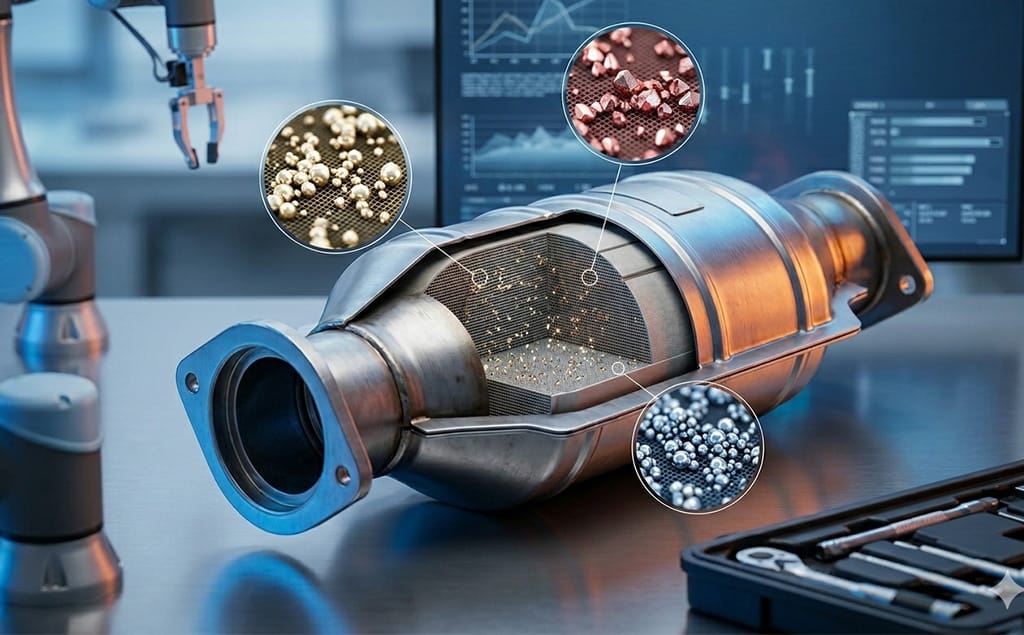
Many motorists wonder why a relatively small metal canister commands such a premium price. The answer lies within the microscopic chemical layer applied to the internal honeycomb structure. A highly efficient үш жақты каталитикалық түрлендіргіш relies on three primary precious metals to trigger the necessary chemical reduction and oxidation reactions:
- Платина (Pt): Acts effectively as an oxidation catalyst to convert unburnt hydrocarbons and carbon monoxide into harmless water vapor and carbon dioxide.
- Палладий (Pd): Serves a similar purpose to platinum, providing high-temperature stability and processing raw fuel elements efficiently.
- Родий (Rh): Functions as a critical reduction catalyst. It breaks down dangerous nitrogen oxide ($NO_x$) molecules into harmless nitrogen and oxygen gases.
Market Volatility and Theft Risks
Because mining corporations extract these precious metals in limited quantities globally, raw material costs remain exceptionally high. When global demand spikes, the wholesale manufacturing cost of a үш жақты каталитикалық түрлендіргіш rises accordingly.
This inherent value has also turned automotive exhaust systems into primary targets for scrap-metal thieves. If a thief cuts the converter out of your vehicle, they often destroy surrounding oxygen sensors and exhaust hangers. This vandalism adds hundreds of dollars in pipe repairs to your baseline component replacement bill.
Common Bad Catalytic Converter Symptoms
Like anything else on a car, catalytic converters eventually go bad. You’ve got to spot the symptoms of a dying converter early on, or you’re looking at a much bigger, more expensive engine disaster down the road. Key indicators of a failing component include:
- A localized exhaust leak venting directly underneath the passenger cabin or near the firewall.
- A persistent metallic rattling sound originating from under the chassis during engine idle.
- An illuminated dashboard Қозғалтқыш шамын тексеріңіз displaying catalyst efficiency codes (such as P0420).
- A pungent, sulfurous “rotten egg” odor exiting the tailpipe during operation or idling.
- The engine bogs down, the throttle feels incredibly sluggish, and the vehicle struggles to pick up speed. When you get it professionally scanned, technicians will often catch crazy-high operating temperatures too.
During a professional diagnostic inspection, a technician may also observe extreme operating temperatures. A failing or clogged core will sometimes glow cherry red under heavy load due to restricted thermal flow.
Risks of Ignoring Catalyst Failures
Drivers should never ignore suspected exhaust issues due to fear of repair costs. Postponing this vital service causes severe secondary mechanical issues.
An restricted exhaust path forces a spike in backpressure, rapidly degrading fuel economy. Left unchecked, the blockage compromises the combustion chambers, manifesting as severe engine tremors, rough operation, and ultimate powertrain failure.
[Ignored Catalyst Clog] ---> [High Exhaust Backpressure] ---> [Engine Misfires] ---> [Complete Powertrain Failure]
Diagnostic trouble codes like P0420 pinpoint low catalyst system efficiency, though upstream engine issues often trigger the failure in the first place. Fixing these underlying issues immediately protects your wallet from catastrophic engine rebuild costs.
Beyond the mechanical headaches, driving around with a dead cat will land you in legal trouble with local eco-laws. Most states won’t let you renew your annual registration unless you clear a smog check. A ruined or stolen converter means an automatic fail, keeping your ride off the road legally.
Қорытынды
When your cat converter is doing its job, your car runs great and the environment stays clean. Replacing it isn’t exactly cheap, but doing your homework on the options will save you a ton of cash. While replacement costs represent a significant financial investment, understanding your options helps control those expenses. Whether you go with a universal or direct-fit part, checking your local emissions laws and jumping on the fix early will save you serious time and cash. Don’t just sit on a check engine light—find a reliable local shop or grab a high-quality replacement now to get your ride running right again.