A catalytic converter is a device used in the exhaust system of a car to transform toxic gases into less harmful emissions. When the converter is clogged, your engine may lose power, fuel efficiency can drop, and harmful emissions increase. This guide will explain how a catalytic converter works, why clogs occur, and provide a step-by-step approach to clearing or addressing the problem.
What is a Catalytic Converter and Why Does It Get Clogged?
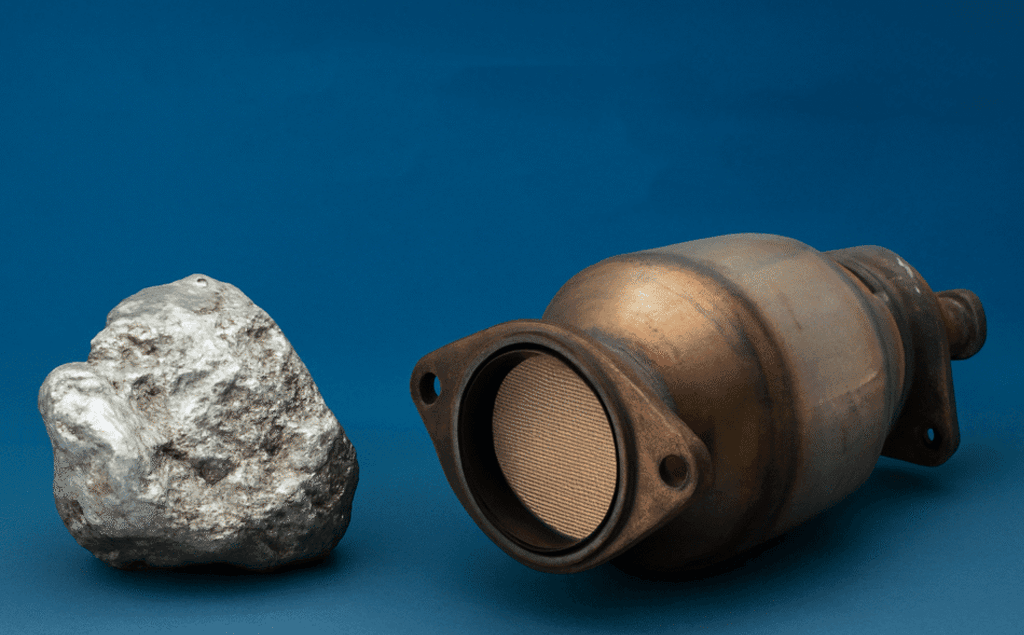
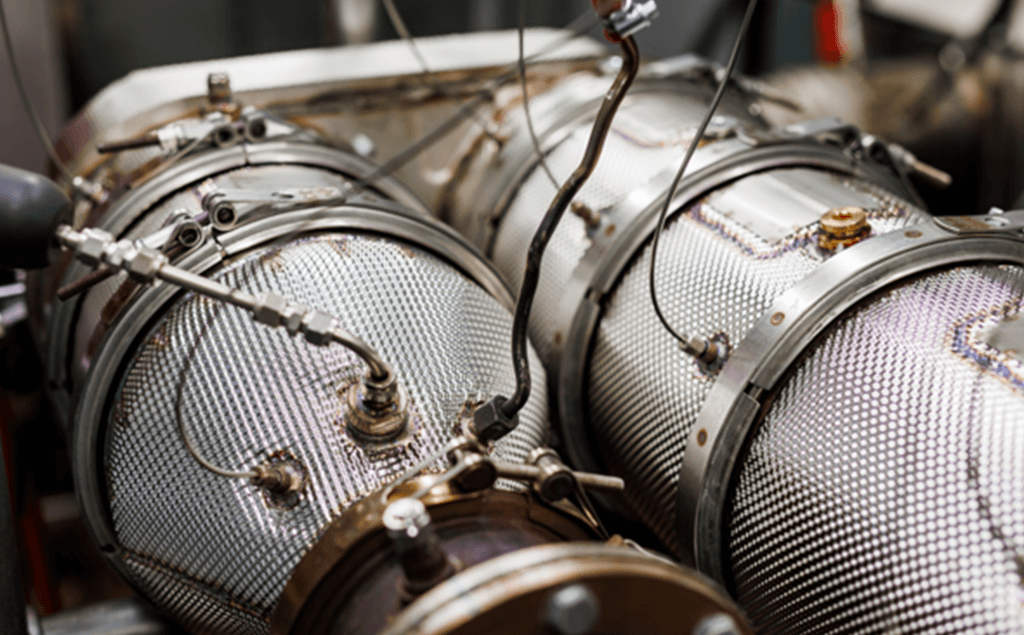
A catalytic converter is a device used to reduce harmful emissions from an internal combustion engine. It uses a catalyst coating made from precious metal particles such as platinum, palladium, and rhodium to drive oxidation and catalytic reduction reactions. The purpose is to oxidize hydrocarbons (HC) and carbon monoxide (CO) into carbon dioxide and water, and to reduce nitrogen oxides (NOx) into nitrogen. This reduces toxic gases and helps meet standards set by regulations like the United States Clean Air Act.
Over time, deposits from unburned fuel, oil, or coolant can block the honeycomb structure inside the catalytic converter. Excessive rich mixture, poor combustion chamber sealing, or a failing oxygen sensor can worsen clogging. When the exhaust flow is restricted, exhaust gas temperature rises, emissions control drops, and the engine struggles.
Signs of a Clogged Catalytic Converter
- Loss of power during acceleration
- Reduced fuel economy
- Strong smell of hydrocarbons or sulfur in the exhaust stream
- Check-engine light due to faulty exhaust emissions readings
- Overheating close to the engine from high exhaust backpressure
Step 1: Inspect the Exhaust System
Before clearing the converter, inspect the exhaust system. Look for leaks, dents, or rusted pipes. Ensure there is enough oxygen in the exhaust for proper oxidation reactions. Also check if the exhaust gas temperature is abnormally high. This inspection helps confirm if the problem is a clogged converter or other exhaust system issues.
Step 2: Use a Catalytic Converter Cleaner
One community-recommended method is to add a catalytic converter cleaner to your gasoline tank. These cleaners contain chemicals that help oxidize deposits inside the converter and reduce harmful buildup. Run the engine at higher rpm for a short period to heat the converter and allow chemical reactions to occur inside the catalytic converter.
Step 3: Remove and Clean the Converter Manually
If chemical cleaners do not work, you may need to remove the catalytic converter from the exhaust system. Inside the converter is a ceramic honeycomb structure that increases the surface area for reactions. Use high-pressure water or an air compressor to flush out carbon monoxide and hydrocarbons deposits. Let it dry completely before reinstalling. This method can restore exhaust flow, though oxidation reactions may still be compromised if the catalyst coating is damaged.
Step 4: Replace the Converter if Needed
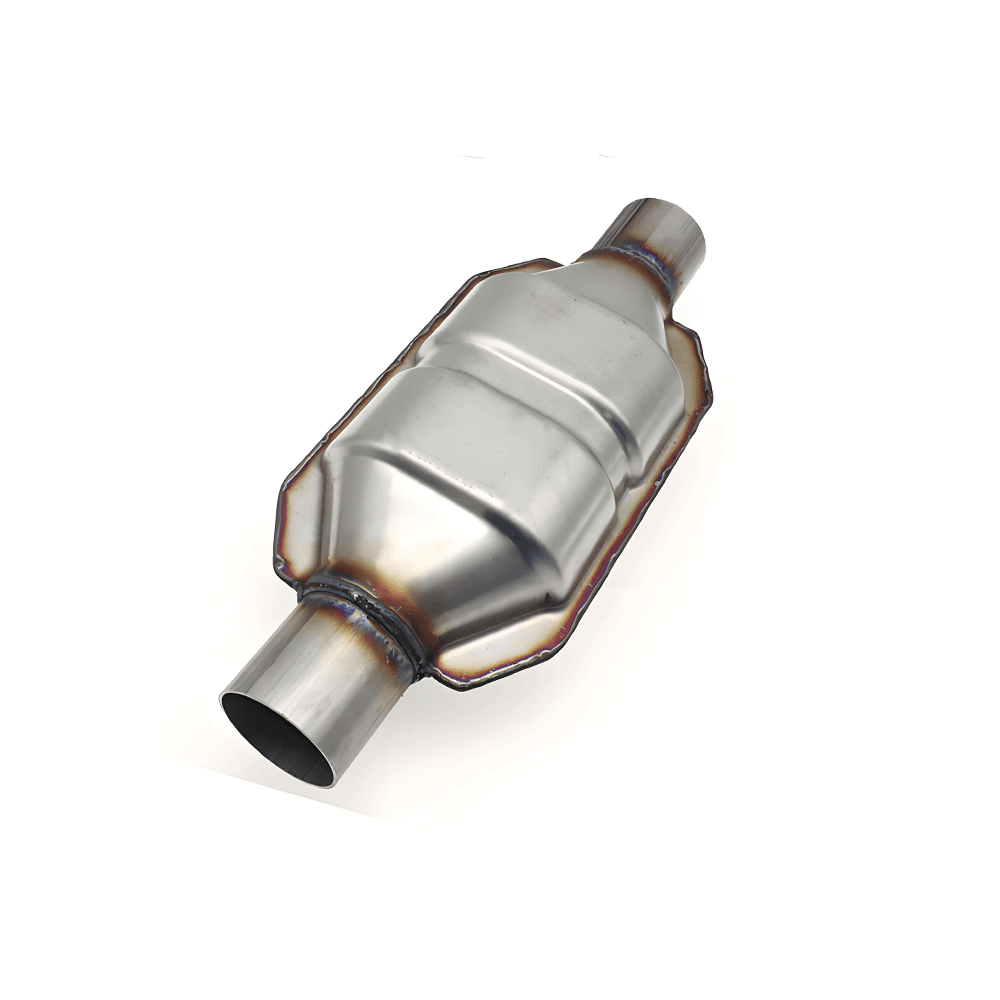
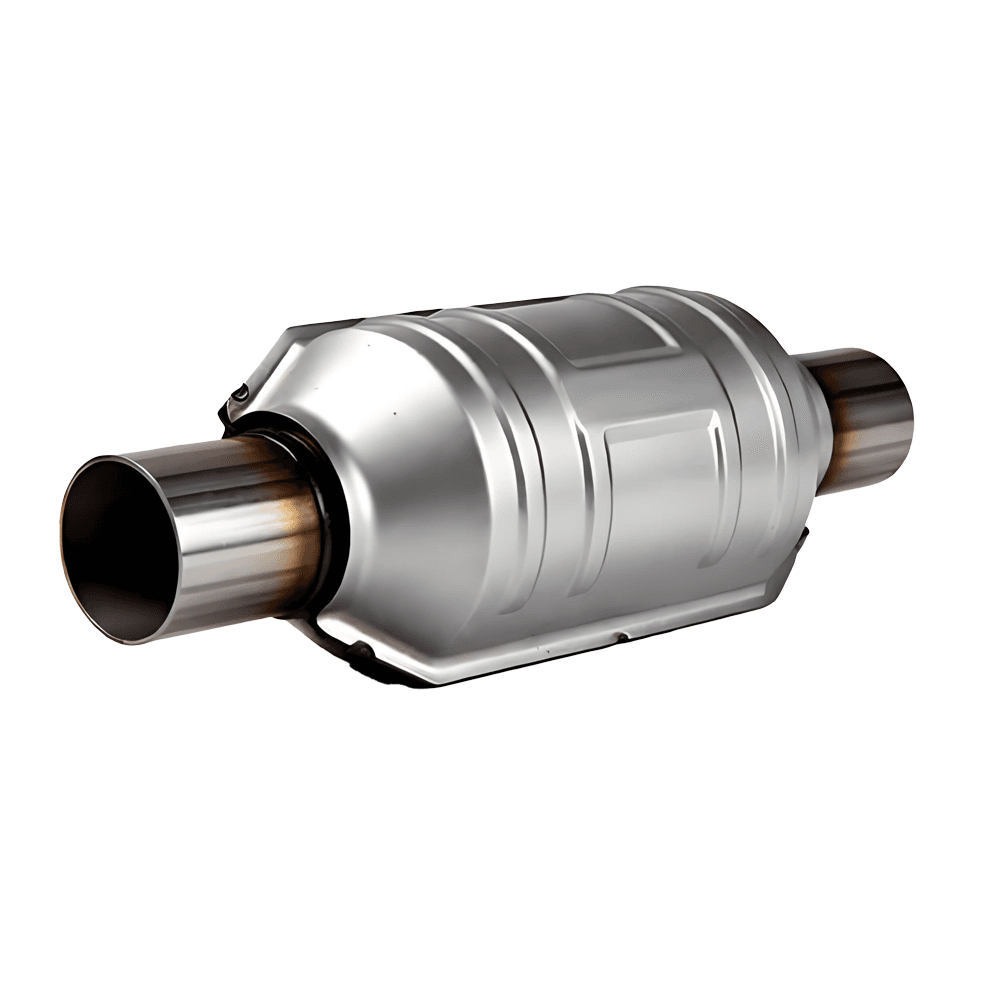
When the converter was introduced in automotive designs, it was meant to last the life of the vehicle. However, converters have been used for decades, and clogging or poisoning from oil and coolant is common. If cleaning does not help, replacement may be necessary. Modern three-way converters use advanced catalyst materials and are designed to reduce harmful exhaust emissions more effectively. Installing a new unit ensures your vehicle remains compliant with emission control standards.

Preventing Future Clogs
- Maintain a proper air to fuel ratio to avoid a rich mixture
- Keep the combustion chamber clean and prevent oil leaks
- Replace faulty oxygen sensors that can cause excess hydrocarbon emissions
- Use quality gasoline to reduce harmful deposits
- Schedule regular inspections of your exhaust emission control device
Key Points to Remember
- A catalytic converter oxidizes carbon monoxide and hydrocarbons while reducing nitrogen oxides, turning them into less harmful emissions.
- Clogs occur when hydrocarbons, oil, or coolant coat the ceramic honeycomb structure inside the converter.
- Step-by-step solutions include using a fuel additive cleaner, manually cleaning the converter, or replacing it if the catalyst surface is damaged.
- Proper maintenance of the engine and exhaust system helps reduce harmful emissions and extend the life of automotive catalytic converters.
- The use of catalytic converters is required under emission control laws such as the Clean Air Act, so keeping them in good shape is essential for compliance and clean air.