Perkenalan
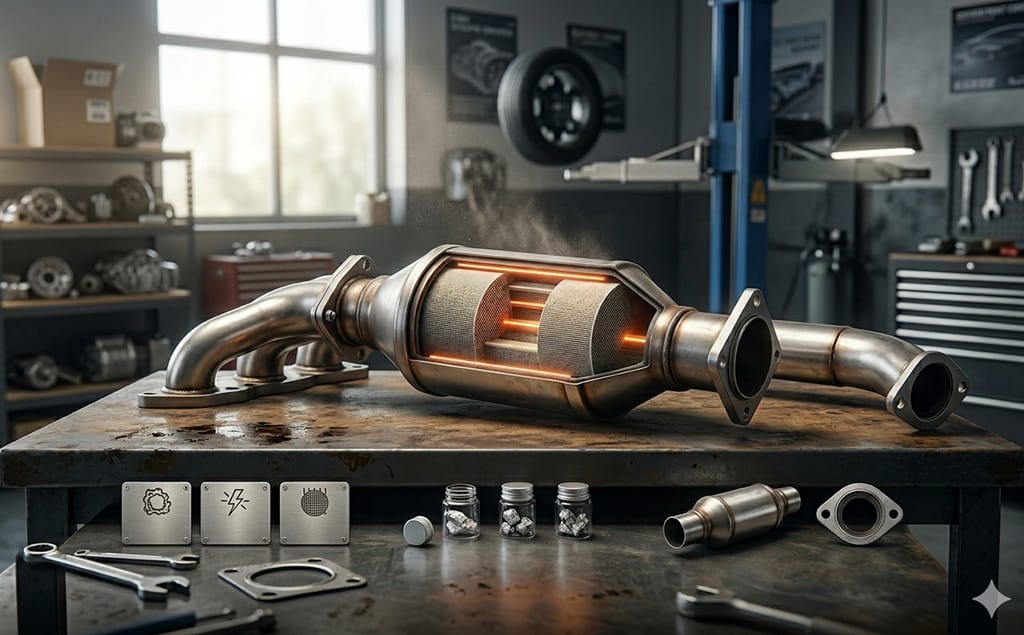
Itu konverter katalitik tiga arah Sebagai komponen terpenting dalam arsitektur knalpot kendaraan modern, alat ini mengubah produk sampingan mesin yang berbahaya—khususnya karbon monoksida, nitrogen oksida, dan hidrokarbon—menjadi uap air dan karbon dioksida yang tidak berbahaya. Namun, seiring kita memasuki tahun 2026, lanskapnya berubah secara dramatis, membuat pemilik kendaraan harus menghadapi berbagai komplikasi baru.
Kombinasi antara pasar logam mulia yang melonjak dan mandat emisi global yang agresif telah mendorong biaya penggantian ke tingkat historis. Baik Anda menghadapi kerusakan komponen atau kejadian yang tidak menguntungkan seperti pencurian, memahami variabel pasar saat ini sangat penting untuk menjaga kesehatan kendaraan Anda dan anggaran keuangan Anda.
Pergeseran Ekonomi: Mengapa Biaya Melonjak di Tahun 2026
Beberapa faktor makroekonomi memengaruhi penetapan harga saat ini. konverter katalitik tiga arahEra perbaikan knalpot 'murah' secara resmi telah berakhir. Dengan harga platinum, palladium, dan rhodium yang mencapai titik tertinggi sepanjang masa, biaya proses kimia yang terjadi di dalam inti sarang lebah telah meroket. Logam-logam ini tetap menjadi penggerak yang sangat diperlukan dalam seluruh proses filtrasi konverter.
Selain itu, tahun 2026 menandai titik transisi bagi banyak standar emisi regional. Pemerintah kini menuntut efisiensi filtrasi yang lebih tinggi, yang memaksa produsen untuk menambahkan lebih banyak logam mulia ke setiap unit. Penambahan logam mulia ini berkorelasi langsung dengan harga eceran yang Anda lihat di bengkel perbaikan.
Rincian Harga: Suku Cadang dan Jasa Profesional
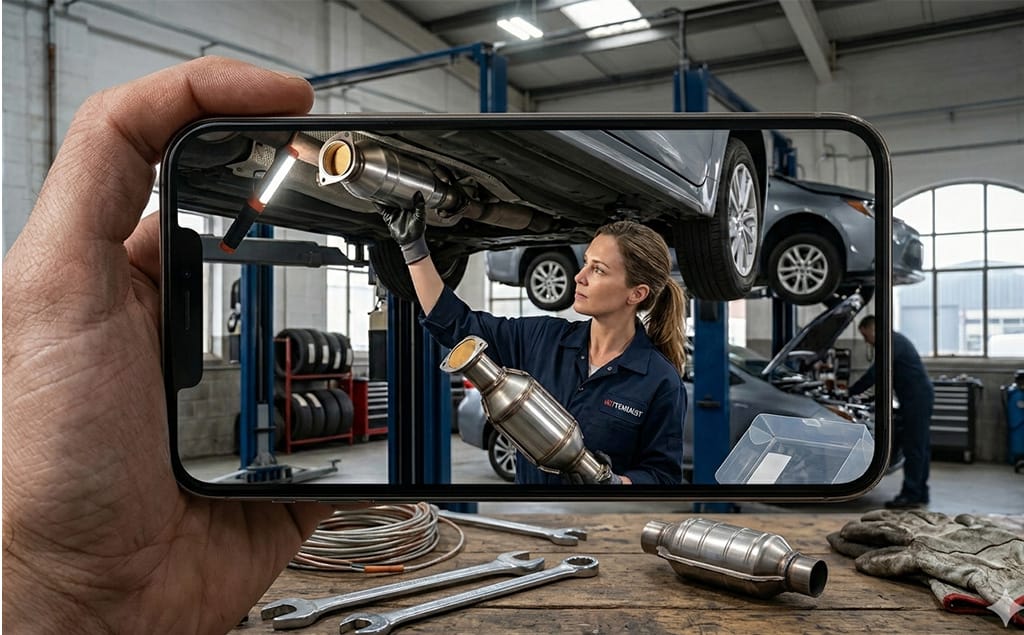
Replacing a konverter katalitik tiga arah Hal ini melibatkan dua pilar keuangan yang berbeda: pengadaan perangkat keras dan tenaga kerja khusus yang dibutuhkan untuk instalasi. Tabel berikut menguraikan perkiraan pengeluaran untuk berbagai konfigurasi di pasar saat ini.
| Kategori Komponen | Perkiraan Biaya Bagian (USD) | Biaya Pemasangan (USD) | Estimasi Total Proyek |
|---|---|---|---|
| Standar Federal (EPA) | $450 – $1.600 | $150 – $350 | $600 – $1.950 |
| Unit yang Sesuai dengan Standar CARB | $1.300 – $3.200 | $200 – $450 | $1.500 – $3.650+ |
| Kemewahan/Performa | $1.900 – $4.000+ | $300 – $600 | $2.200 – $4.600+ |
| Spesifik Hibrida | $1.300 – $2.900 | $250 – $500 | $1.550 – $3.400 |
Perbandingan Standar Regulasi: Federal vs. CARB
Lokasi geografis pendaftaran kendaraan Anda menentukan jenis spesifiknya. konverter katalitik tiga arah Anda harus membeli.
Konverter Katalitik Federal (EPA)
Dirancang untuk memenuhi tolok ukur nasional EPA, konverter ini memberikan jaminan kepatuhan di seluruh Amerika Serikat. Konverter ini tetap legal untuk digunakan di 49 negara bagian. Dengan kandungan PGM yang lebih rendah yang dibutuhkan untuk melewati rintangan federal, unit ini menawarkan harga yang jauh lebih terjangkau bagi pengemudi pada umumnya.
Konverter Katalitik yang Sesuai dengan Standar CARB
California Air Resources Board (CARB) menetapkan standar emas untuk pengendalian emisi, mempertahankan mandat paling ketat yang ditemukan di mana pun di planet ini. Beberapa negara bagian di luar California, termasuk New York dan Colorado, kini mengadopsi standar ini. Untuk melewati rintangan CARB yang ketat tersebut, unit-unit ini memiliki lapisan pelapis logam mulia yang jauh lebih padat. Beban ekstra inilah yang memungkinkan mereka mencapai target emisi agresif yang dipersyaratkan di California. Meskipun ini memastikan knalpot yang lebih bersih, beban ekstra tersebut dapat dengan mudah melipatgandakan harga produksi dibandingkan dengan versi Federal standar.
Dampak Klasifikasi Kendaraan terhadap Harga Penggantian
Rancangan teknologi kendaraan Anda menentukan kompleksitas dan ukuran yang dibutuhkan. konverter katalitik tiga arahMesin dengan kapasitas lebih besar menghasilkan aliran gas buang yang lebih tinggi, sehingga membutuhkan arsitektur konverter yang lebih besar. Untuk memastikan penyaringan yang tepat, unit-unit ini harus menawarkan area permukaan reaktif yang lebih besar untuk menangani peningkatan aliran tersebut.
- Sedan Kompak: Kendaraan seperti Honda Civic menggunakan sistem konverter tunggal yang lebih kecil. Sistem ini tetap yang paling murah untuk diservis.
- Truk dan SUV Ukuran Penuh: Kendaraan-kendaraan ini sering menggunakan sistem "katalis ganda". Jika kedua unit tersebut rusak, biaya penggantian akan langsung berlipat ganda.
- Kendaraan Hibrida: Mobil hibrida, seperti Toyota Prius, menghadirkan tantangan unik. Dengan siklus start-stop yang konstan pada mesin modern, konverter kesulitan untuk tetap panas. Untuk mengimbanginya, mereka membutuhkan manajemen termal aktif atau lapisan pelindung canggih yang dirancang untuk mempertahankan efisiensi puncak bahkan selama fase pendinginan. Teknologi khusus ini membuat harga konverter hibrida tetap tinggi.
Melindungi Investasi Anda: Pencegahan Pencurian dan Asuransi
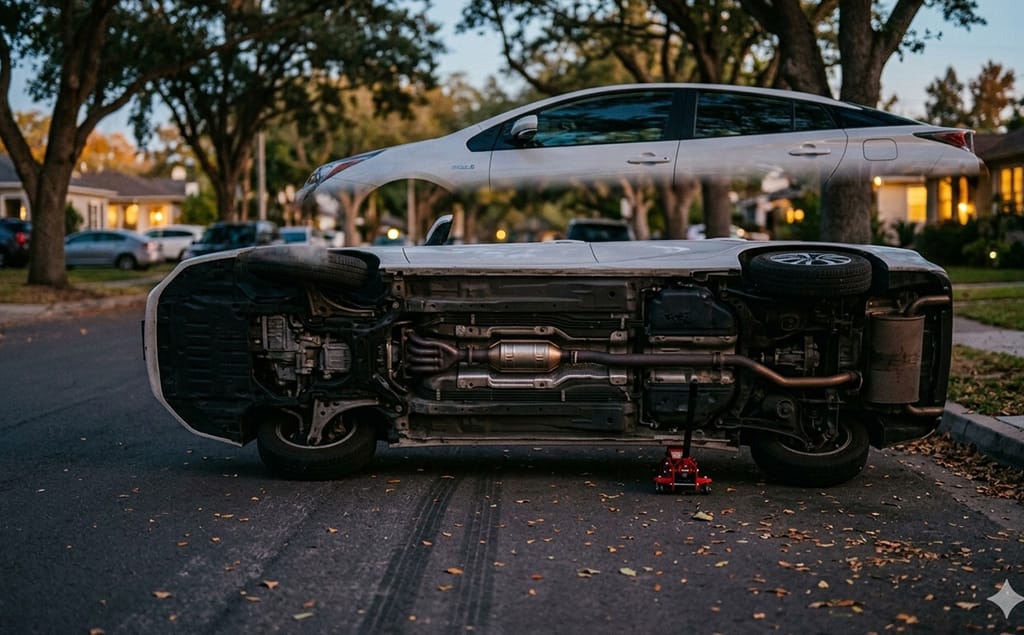
Berkat kenaikan harga rhodium yang sangat pesat, konverter katalitik tiga arah telah menjadi target utama pencurian berisiko tinggi. Pada tahun 2026, pencuri berpengalaman dapat membongkar konverter Anda dan membawanya pergi dalam waktu kurang dari 60 detik.
Realita Cakupan Asuransi
Sebagian besar polis asuransi komprehensif mencakup penggantian barang yang dicuri. konverter katalitik tiga arahNamun, asuransi jarang menanggung "keausan" atau kerusakan akibat kesalahan perawatan mesin. Jika mesin Anda membakar oli dan menyumbat konverter, kemungkinan besar Anda akan membayar seluruh biaya sendiri.
Strategi Perlindungan Proaktif
- Pasang Perisai: Pelat logam atau "sangkar kucing" secara signifikan menunda upaya pencurian.
- Pengukiran VIN: Mengukir nomor identifikasi kendaraan (VIN) pada casing luar menciptakan tanda bahaya permanen bagi perusahaan daur ulang. Hal ini secara efektif memasukkan unit tersebut ke daftar hitam di tempat pengumpulan barang rongsokan yang bereputasi baik, karena mereka tidak akan mengambil risiko menangani suku cadang curian yang dapat dilacak.
- Alarm Sensitivitas Tinggi: Sistem keamanan modern dapat mendeteksi getaran spesifik dari gergaji bolak-balik yang digunakan selama pencurian.
Strategi Pengadaan: OEM vs. Aftermarket
Saat Anda berbelanja untuk sebuah konverter katalitik tiga arahAnda harus memilih antara suku cadang Original Equipment Manufacturer (OEM) dan alternatif suku cadang aftermarket.
- Suku Cadang OEM: Ini adalah komponen OEM asli dari pabrikan seperti Ford dan Toyota. Anda mendapatkan jaminan kecocokan dan masa pakai terpanjang, tetapi bersiaplah untuk membayar harga premium yang tinggi untuk ketenangan pikiran tersebut.
- Suku Cadang Aftermarket: Perusahaan seperti HottExhaust memproduksi alternatif berkualitas tinggi yang memenuhi semua standar hukum dengan harga yang jauh lebih murah daripada di dealer.
- Konverter Universal: Ini memerlukan pengelasan khusus. Meskipun merupakan pilihan termurah, biaya tenaga kerja seringkali meningkat karena mekanik harus "membuat" pipa agar sesuai.

Kesimpulan
Pada tahun 2026, memahami biaya konverter bukan hanya tentang angka—tetapi juga tentang wawasan regulasi yang bertemu dengan kesadaran pasar di dunia nyata. Penggantian konverter lengkap biasanya berkisar antara $900 hingga $2.500, tetapi Anda pasti dapat mengurangi beban tersebut dengan memilih unit aftermarket premium. Namun, apa pun yang Anda lakukan, jangan mengabaikan tanda-tanda kerusakan konverter. Unit yang tersumbat mengurangi efisiensi bahan bakar dan memberi tekanan yang berlebihan pada komponen internal mesin Anda. Dengan memilih unit yang tepat yang bersertifikasi Federal atau CARB untuk wilayah Anda dan mendukungnya dengan perlindungan anti pencurian yang kuat, Anda tidak hanya memperbaiki mobil—Anda memastikan kendaraan Anda tetap legal, efisien, dan siap digunakan di jalan raya untuk jangka panjang.