Введение
The трехкомпонентный каталитический нейтрализатор Выхлопная система является важнейшим компонентом современной автомобильной выхлопной системы. Это важнейшее устройство преобразует опасные побочные продукты работы двигателя — в частности, окись углерода, оксиды азота и углеводороды — в безвредный водяной пар и углекислый газ. Но с наступлением 2026 года ситуация кардинально меняется, и автовладельцам приходится сталкиваться с множеством новых сложностей.
Сочетание стремительного роста цен на драгоценные металлы и жестких глобальных требований к выбросам вредных веществ привело к тому, что расходы на замену деталей достигли исторически высокого уровня. Независимо от того, столкнулись ли вы с поломкой компонента или, к сожалению, с кражей, понимание текущих рыночных факторов имеет важное значение для поддержания как исправности вашего автомобиля, так и вашего финансового бюджета.
The Economic Shift: Why Costs Are Surging in 2026
На текущее ценообразование влияют несколько макроэкономических факторов. трехкомпонентный каталитический нейтрализаторЭпоха «бюджетного» ремонта выхлопных систем официально закончилась. С учетом того, что цены на платину, палладий и родий достигли рекордных максимумов, стоимость химических процессов, происходящих внутри сотового сердечника, резко возросла. Эти металлы остаются незаменимыми элементами всего процесса фильтрации каталитического нейтрализатора.
Кроме того, 2026 год знаменует собой переходный этап для многих региональных стандартов выбросов. Правительства теперь требуют более высокой эффективности фильтрации, что вынуждает производителей добавлять больше драгоценных металлов в каждый блок. Эта «добавка» напрямую влияет на розничную цену, которую вы видите в автосервисе.
Detailed Price Breakdown: Parts and Professional Labor
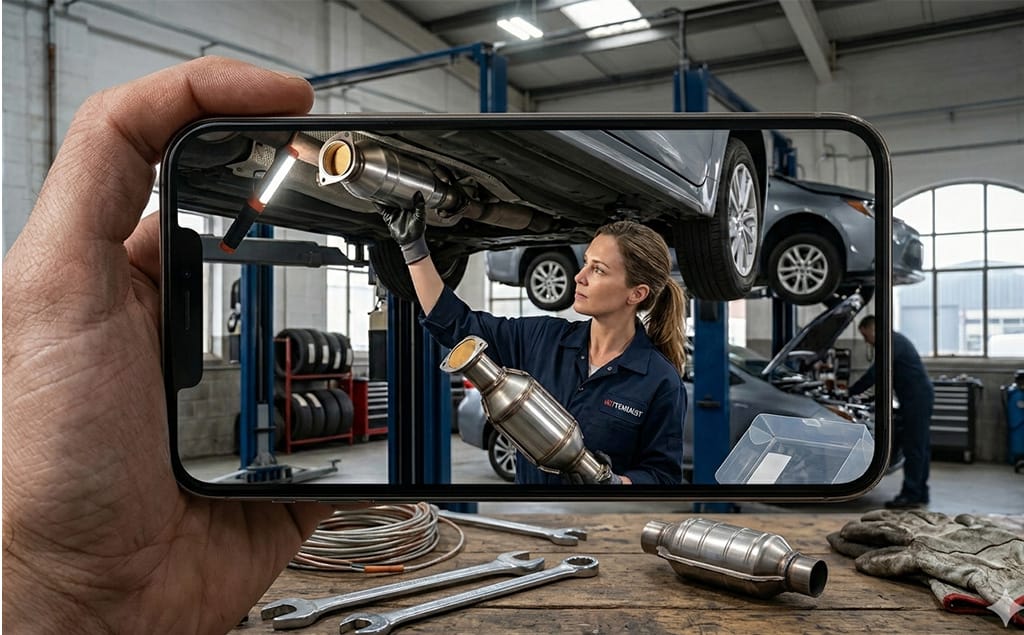
Замена трехкомпонентный каталитический нейтрализатор Это включает в себя два отдельных финансовых компонента: приобретение оборудования и специализированные работы, необходимые для установки. В следующей таблице представлены ожидаемые затраты для различных конфигураций на современном рынке.
| Категория компонентов | Ориентировочная стоимость детали (доллары США) | Стоимость монтажных работ (долл. США) | Общая смета проекта |
|---|---|---|---|
| Федеральный стандарт (EPA) | 450–1600 долларов США | 150–350 долларов США | 600–1950 долларов США |
| Устройство, соответствующее стандартам CARB. | 1300–3200 долларов США | 200–450 долларов США | 1500–3650 долларов США и выше |
| Роскошь/Производительность | 1900–4000 долларов США и более | 300–600 долларов | 2200–4600 долларов США и более |
| Специально для гибридных автомобилей | 1300–2900 долларов США | 250–500 долларов США | 1550–3400 долларов США |
Comparing Regulatory Standards: Federal vs. CARB
Географическое местоположение вашей регистрации транспортного средства определяет конкретный тип транспортного средства. трехкомпонентный каталитический нейтрализатор Вы должны совершить покупку.
Каталитические преобразователи, одобренные Федеральным агентством по охране окружающей среды (EPA).
Разработанные в соответствии с общенациональными стандартами EPA, эти каталитические нейтрализаторы гарантируют соответствие требованиям на всей территории Соединенных Штатов. Их использование остается законным в 49 штатах. Благодаря более низкому содержанию платиновых металлов, необходимому для прохождения федеральных проверок, эти устройства предлагают гораздо более доступную цену для среднего водителя.
Каталитические преобразователи, соответствующие стандартам CARB
Калифорнийский совет по воздушным ресурсам (CARB) устанавливает золотой стандарт контроля выбросов, поддерживая самые строгие требования, существующие на планете. Несколько штатов, помимо Калифорнии, включая Нью-Йорк и Колорадо, теперь приняли эти стандарты. Чтобы преодолеть эти строгие требования CARB, эти устройства имеют значительно более плотное покрытие из драгоценных металлов. Именно это дополнительное содержание позволяет им достигать агрессивных целевых показателей выбросов, требуемых в Калифорнии. Хотя это обеспечивает более чистый выхлоп, дополнительное содержание может легко утроить стоимость производства по сравнению со стандартными федеральными версиями.
Impact of Vehicle Classification on Replacement Pricing
Сложность и размеры необходимых компонентов определяются конструктивными особенностями вашего автомобиля. трехкомпонентный каталитический нейтрализаторДвигатели большего рабочего объема обеспечивают более высокую пропускную способность выхлопных газов, что требует масштабированной конструкции каталитического нейтрализатора. Для обеспечения надлежащей фильтрации эти устройства должны обладать большей площадью реактивной поверхности, чтобы справляться с увеличенным потоком.
- Компактные седаны: В таких автомобилях, как Honda Civic, используются компактные системы с одним каталитическим нейтрализатором. Они остаются наименее затратными в обслуживании.
- Грузовики и полноразмерные внедорожники: В этих автомобилях часто используются системы с двумя катализаторами. Если оба элемента выйдут из строя, стоимость замены мгновенно удвоится.
- Гибридные автомобили: Гибридные автомобили, такие как Toyota Prius, представляют собой уникальную проблему. Из-за постоянных циклов запуска и остановки современных двигателей каталитические нейтрализаторы с трудом сохраняют высокую температуру. Для компенсации этого требуются либо активное терморегулирование, либо усовершенствованные покрытия, разработанные для поддержания максимальной эффективности даже во время фаз охлаждения. Эта специализированная технология приводит к высоким ценам на гибридные каталитические нейтрализаторы.
Safeguarding Your Investment: Theft Prevention and Insurance
Благодаря стремительному росту стоимости родия, трехкомпонентные каталитические нейтрализаторы Они стали главной мишенью для краж с высокими ставками. К 2026 году опытный вор сможет снять с вашего каталитического нейтрализатора все компоненты и украсть его менее чем за 60 секунд.
Реалии страхового покрытия
Большинство комплексных страховых полисов покрывают замену украденного товара. трехкомпонентный каталитический нейтрализаторОднако страховка редко покрывает износ или поломки, вызванные неправильным управлением двигателем. Если ваш двигатель будет расходовать масло и засорит каталитический нейтрализатор, вам, скорее всего, придется оплатить весь ремонт из собственного кармана.
Стратегии проактивной защиты
- Установите Shield: Металлические пластины или «кошачьи клетки» значительно замедляют попытки кражи.
- Гравировка VIN-номера: Выгравированный на корпусе VIN-номер создает постоянный «красный флаг» для переработчиков. Фактически, это вносит устройство в черный список на авторитетных пунктах приема металлолома, поскольку они не будут рисковать работать с отслеживаемыми крадеными деталями.
- Сигнализация высокой чувствительности: Современные системы безопасности способны обнаруживать специфические вибрации сабельной пилы, использованной при краже.
Sourcing Strategies: OEM vs. Aftermarket
Когда вы совершаете покупку трехкомпонентный каталитический нейтрализаторВам необходимо выбрать между оригинальными запчастями от производителя (OEM) и альтернативными вариантами от сторонних производителей.
- Оригинальные запчасти: Это оригинальные запчасти от таких производителей, как Ford и Toyota. Вы получаете гарантированную совместимость и максимально возможный срок службы, но будьте готовы заплатить немалую цену за это спокойствие.
- Запчасти для тюнинга: Такие компании, как HottExhaust, производят высококачественные альтернативы, соответствующие всем законодательным стандартам, по цене, значительно ниже, чем у дилеров.
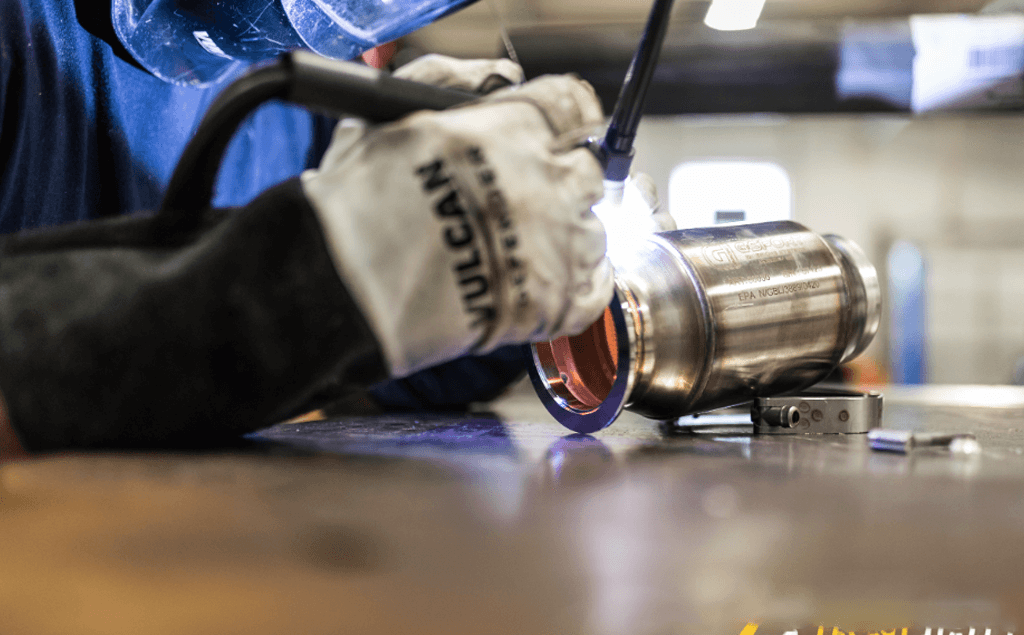
- Универсальные конвертеры: Для их изготовления требуется специальная сварка. Хотя это самый дешевый вариант, затраты на рабочую силу часто возрастают, поскольку механику приходится «изготавливать» трубы по индивидуальным размерам.

Заключение
В 2026 году понимание стоимости каталитических нейтрализаторов — это не просто цифры, это сочетание знаний о нормативных требованиях и реального рынка. Полная замена каталитического нейтрализатора обычно обходится от 900 до 2500 долларов, но вы можете значительно снизить эту сумму, выбрав высококачественный каталитический нейтрализатор от стороннего производителя. Однако ни в коем случае не игнорируйте признаки неисправности катализатора. Засоренный нейтрализатор снижает экономию топлива и создает чрезмерную нагрузку на внутренние компоненты двигателя. Выбрав подходящий по стандартам федерального законодательства или сертификата CARB для вашего региона и обеспечив надежную защиту от кражи, вы не просто ремонтируете автомобиль — вы гарантируете, что ваше транспортное средство останется легальным, эффективным и готовым к эксплуатации в течение длительного времени.