導入
Modern automotive engineering relies heavily on the exhaust system to control environmental pollution.The whole system basically centers around the catalytic converter. It’s the real MVP here, doing the heavy lifting of scrubbing toxic junk out of your exhaust. When this component fails, vehicle owners face a critical choice between two replacement styles: direct-fit and universal-fit. Both options perform the same chemical function, yet they differ significantly in design, installation labor, upfront cost, and impact on engine efficiency.
A wrong choice on this part doesn’t just drain your wallet with extra labor costs; it drags down engine performance and can easily leave you stranded at the local inspection station with a failed emission test.This comprehensive guide breaks down the technical and practical differences between direct-fit and universal 三元触媒コンバーター options to help you make an informed decision for your vehicle.
Understanding the Three Way Catalytic Converter
Once you get how the cat works inside that exhaust flow, the installation headaches start to make perfect sense. Look at it this way: when gas or diesel burns in your engine, it pumps out some seriously nasty, toxic fumes.When your catalytic converter is doing its job, it triggers a tight chemical sequence that neutralizes these pollutants on the spot—long before they can leak into the atmosphere.
Specifically, the device targets three primary harmful substances:
- Hydrocarbons (unburnt fuel)
- Carbon Monoxide (a poisonous gas)
- Nitrogen Oxides ($NO_x$, which contribute to smog and acid rain)
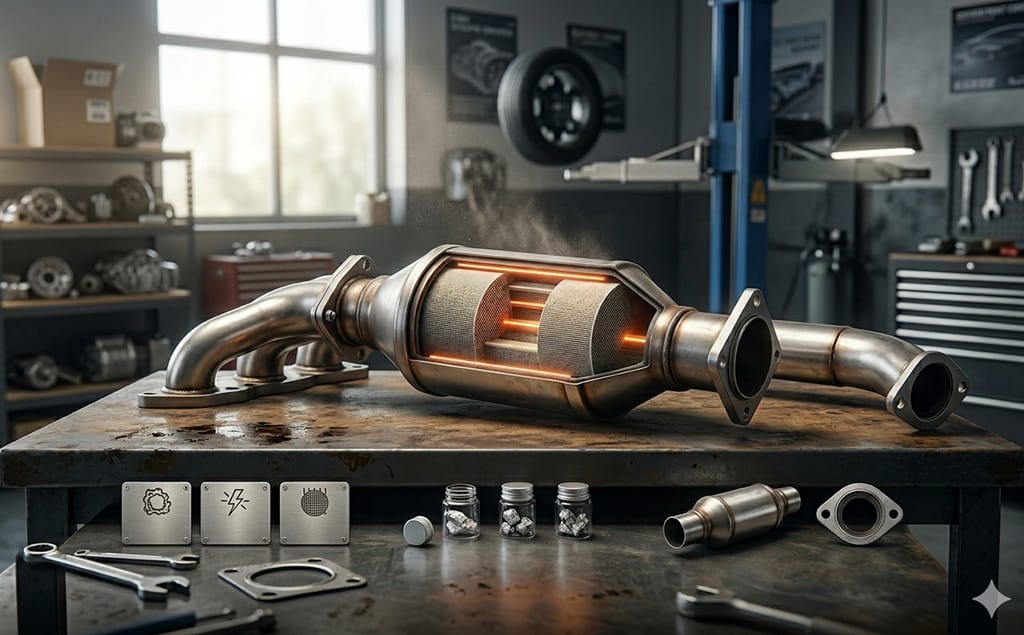
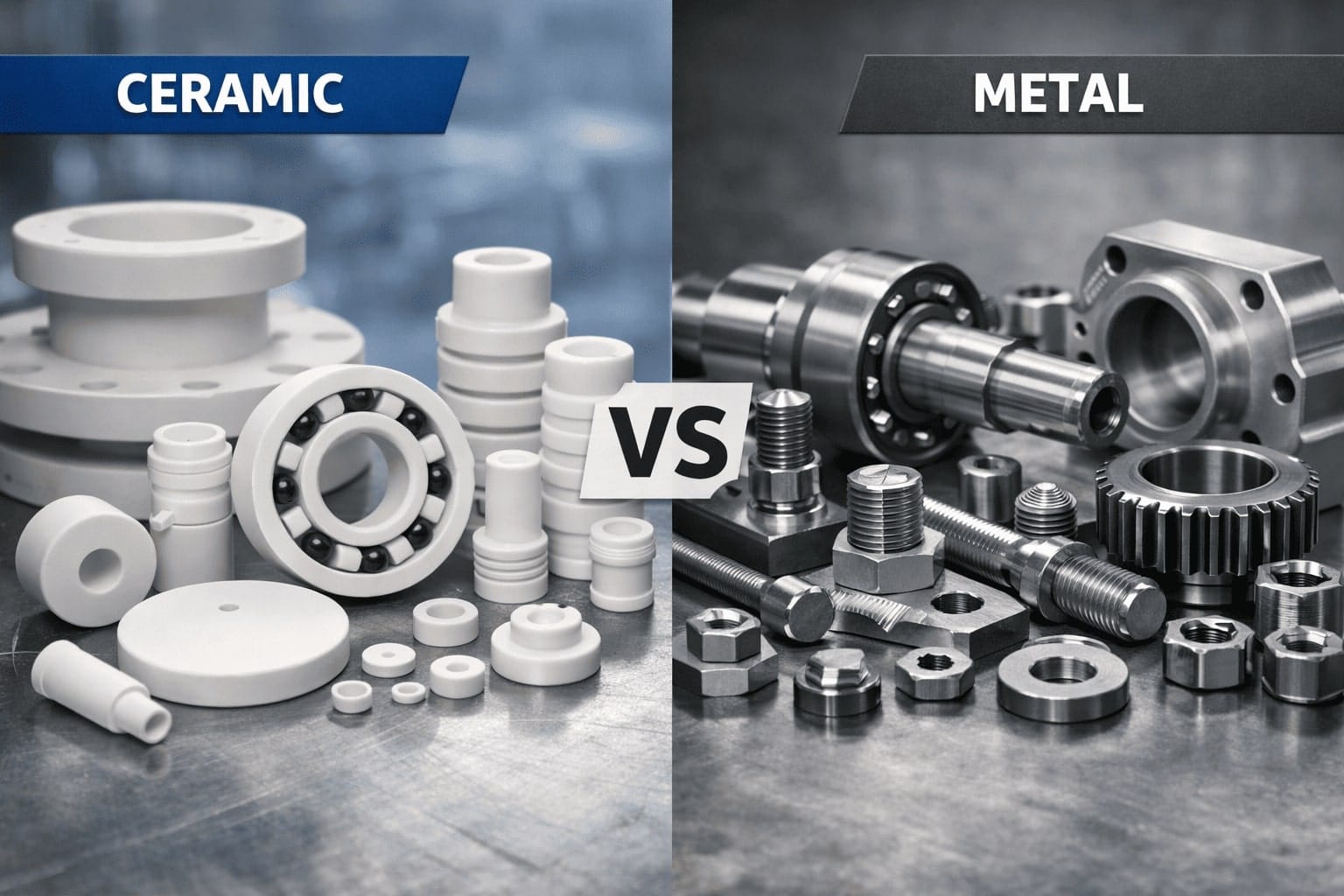
The internal structure consists of a ceramic or metallic substrate coated with precious metals like platinum, palladium, and rhodium. Inside the exhaust flow, the honeycomb metals run a high-efficiency catalytic reaction. The result? While neutralizing toxic NOx on the spot, this process also converts harmful CO and hydrocarbons into completely safe carbon dioxide and water mist.
An inefficient or mismatched exhaust system can severely hinder this chemical process. If your exhaust pipes restrict flow or leak, the 三元触媒コンバーター cannot maintain the correct operating temperature or gas velocity. This reduction in efficiency directly harms your engine’s overall performance and increases your environmental footprint.

What is a Universal Three Way Catalytic Converter?
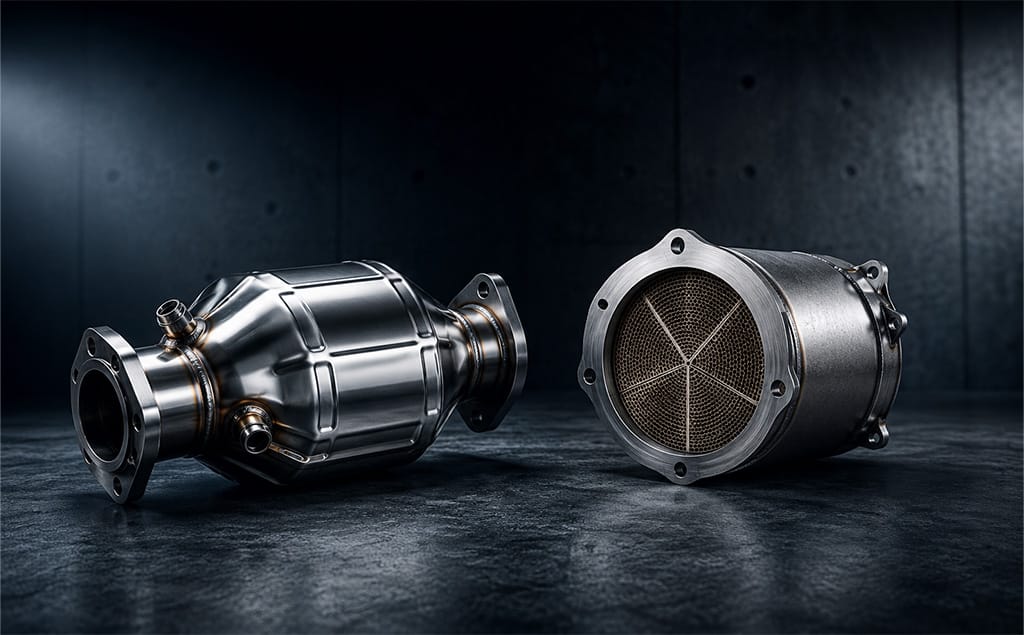
As the name implies, manufacturers design a universal 三元触媒コンバーター to fit a broad range of vehicle makes, models, and engine sizes. Unlike direct-fit options, universal converters ignore vehicle-specific chassis layouts, opting instead for standard inlet and outlet pipe styling.
[Engine Exhaust] ---> [Cut Pipe] ===> [Weld/Clamp Universal Converter] ===> [Exhaust Tailpipe]
The Pros: Affordability and Availability
The primary advantage of a universal unit lies in its low upfront purchase price. Manufacturers mass-produce these generic shapes, which significantly reduces production costs. Additionally, auto parts stores keep them in stock because a few SKU numbers can cover hundreds of different vehicle models.
The Cons: Complex Installation and Potential Performance Loss
The lower price tag comes with significant trade-offs in labor and performance. A universal 三元触媒コンバーター does not feature any vehicle-specific pipes, flanges, or oxygen sensor bungs. To install one, a technician must cut the old unit out of the exhaust assembly. They must then weld, bend, or fabricate custom pipes to bridge the gap.
Furthermore, generic components do not account for the specific backpressure requirements of your engine. Standard exhaust systems utilize specific pipe lengths and widths to exploit the natural vacuum created by hot escaping gases. Throw a wrong-sized universal cat on your ride, and you’ll completely ruin that exhaust scavenging. It creates a nasty backup of pressure, which slows down your engine, kills your horsepower, and tanks your gas mileage.
What is a Direct-Fit Three Way Catalytic Converter?
With a direct-fit cat, you don’t have to guess. It’s basically a clone of your factory part, tailored to fit your exact vehicle, right down to the year and the engine under the hood.This component serves as a precise clone of the original factory unit.
[Engine Exhaust Flange] === (Bolt-on Direct-fit Converter) === [Resonator Flange]
The Pros: Seamless Installation and Optimal Efficiency
The main benefit of a direct-fit unit is its bolt-on design. It features the exact bends, pipe lengths, hanger locations, heat shields, and pre-threaded oxygen sensor holes as your factory part. This precision allows for a straightforward installation using basic hand tools, making it the ideal choice for Do-It-Yourself (DIY) mechanics.
From a performance standpoint, a direct-fit 三元触媒コンバーター preserves the original engineering parameters of the vehicle. It maintains the correct exhaust gas velocity and optimal backpressure, ensuring that your engine operates at peak efficiency while maximizing the reduction of nitrogen oxides.
The Cons: Higher Upfront Cost
The disadvantage of a direct-fit unit is its initial purchase price. The custom engineering, precise fabrication, and low-volume production runs make these units substantially more expensive than generic alternatives.
Technical Comparison: Direct-Fit vs. Universal
To make it simple, we’ve compared them side-by-side below. Here’s how they differ in performance, design, and price tag.
| Feature / Metric | Direct-Fit Three Way Catalytic Converter | Universal Three Way Catalytic Converter |
|---|---|---|
| Installation Method | Simple bolt-on operation; no cutting or welding required. | Requires pipe cutting, custom bending, and professional welding. |
| Upfront Component Cost | High; reflects specialized engineering and precise manufacturing. | Low; mass-produced generic design lowers retail price. |
| Labor Cost & Time | Minimal; fast replacement with standard garage tools. | High; requires specialized fabrication tools and shop time. |
| Exhaust Flow & Backpressure | Optimized for the specific engine; maintains factory performance. | May restrict flow; potentially reduces engine efficiency. |
| Oxygen Sensor Bungs | Pre-welded in the exact factory locations for precise readings. | Often missing; requires drilling and welding custom bungs. |
| 対象ユーザー | Ideal for DIY enthusiasts and complex modern exhaust setups. | Ideal for budget-conscious buyers with access to welding gear. |

Emissions Compliance: EPA vs. CARB Standards
Before purchasing any replacement 三元触媒コンバーター, you must verify the emissions regulations in your specific jurisdiction. Regulatory bodies categorize converters based on their chemical formulation and compliance levels rather than just their physical fitment.
Federal EPA Standards
For most states, the federal EPA standard is the rule of law. These EPA-approved converters pack a standard load of precious metals—perfectly tailored to get older or less regulated vehicles past federal emissions testing without breaking the bank.
CARB Standards
California plays by much tougher rules, which is why CARB-compliant cats are packed with a higher concentration of precious metals inside the core. That extra loading is what guarantees they’ll keep scrubbing those toxic gases clean long down the road.States like California, New York, and several others legally require CARB-compliant replacements.
Important Note:Regulatory status can surprise you—some universal units are CARB-approved, whereas certain direct-fit models are strictly for EPA states.If you don’t want your car failing the state inspection on the spot next time you register, you absolutely have to check that emissions tag on the shell.
Which Option Should You Choose?
In the end, it boils down to three things: how much you want to spend, whether you’re down to do some welding yourself, and how tricky your current exhaust setup is.
Choose a Direct-Fit Converter If:
- You plan to perform the installation yourself in your driveway.
- You do not own or know how to operate a MIG or TIG welder.
- You want to guarantee that your vehicle maintains its original fuel efficiency and horsepower.
- Your car features a highly complex, cramped, or multi-converter exhaust manifold layout.
Choose a Universal Converter If:
- You want to minimize the immediate upfront cost of the replacement part.
- You possess professional welding equipment and pipe-fabrication skills.
- You are hiring an experienced exhaust fabrication shop that can guarantee high-quality weld joints.
- The original factory layout offers ample straight pipe sections for clean cutting and joining.
結論
Replacing a failed 三元触媒コンバーター requires a careful balance between upfront part costs and long-term labor or performance expenses. Universal converters offer an affordable purchase price but demand professional fabrication skills, specialized welding, and potential adjustments to hangers and pipes. Conversely, direct-fit converters cost more at the counter but eliminate fabrication costs through a flawless, bolt-on design that protects your engine’s original efficiency. Before you hit “Buy Now,” just double-check your local EPA or CARB rules to make sure the cat is 100% street-legal in your state.