導入
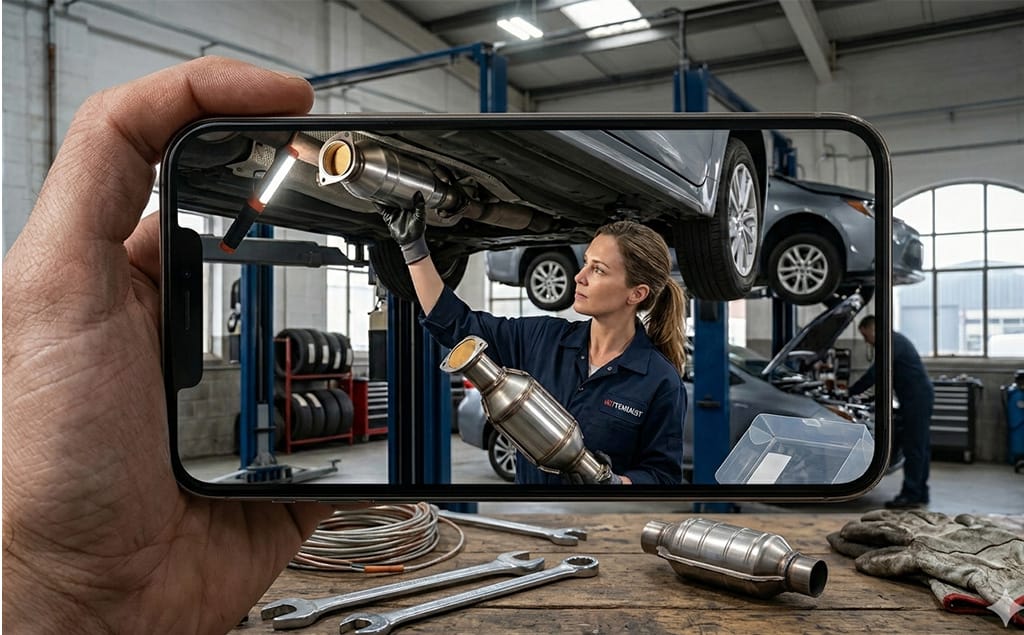
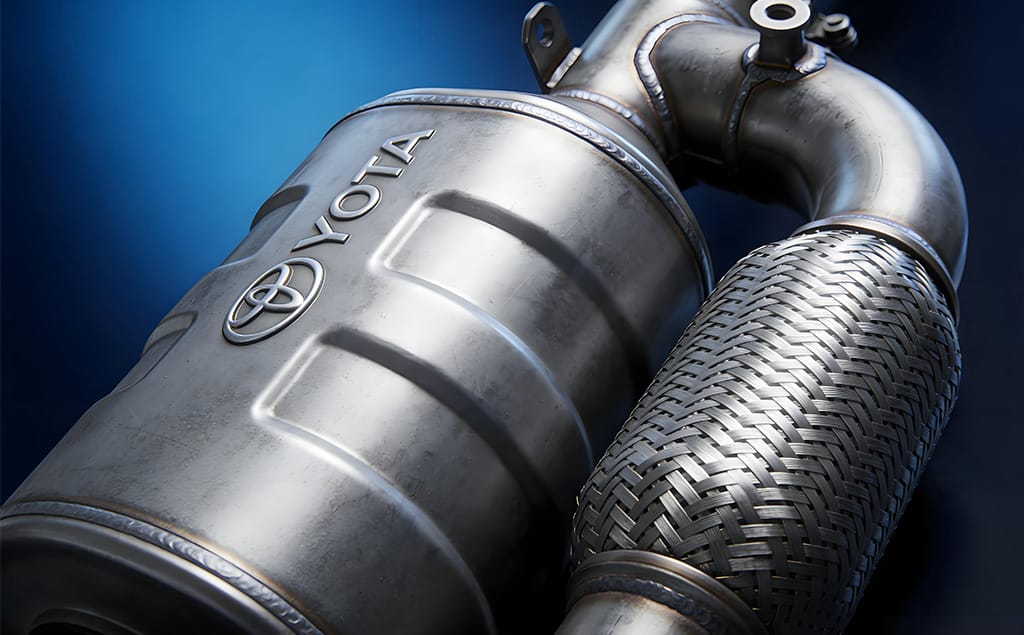
The Toyota Corolla uses a catalytic converter as a core component of its emission control system. Modern emission standards, including North American EPA regulations and global Euro norms, require effective aftertreatment solutions for gasoline engines. The 三元触媒コンバーター, often called a TWC or simply a “cat,” removes carbon monoxide, hydrocarbons, and nitrogen oxides from the exhaust stream. This guide explains how many catalytic converters a Toyota Corolla uses, how the system works, and why the configuration varies across generations and engine types. It also provides technical background, comparisons, and additional details to help owners understand this essential emission-control device.
What a Catalytic Converter Does
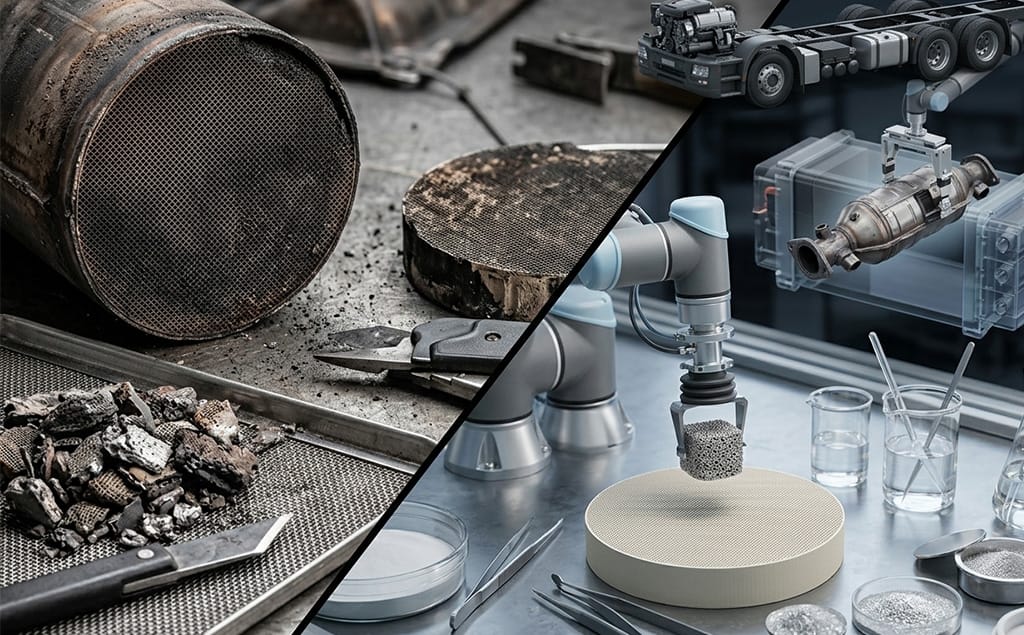
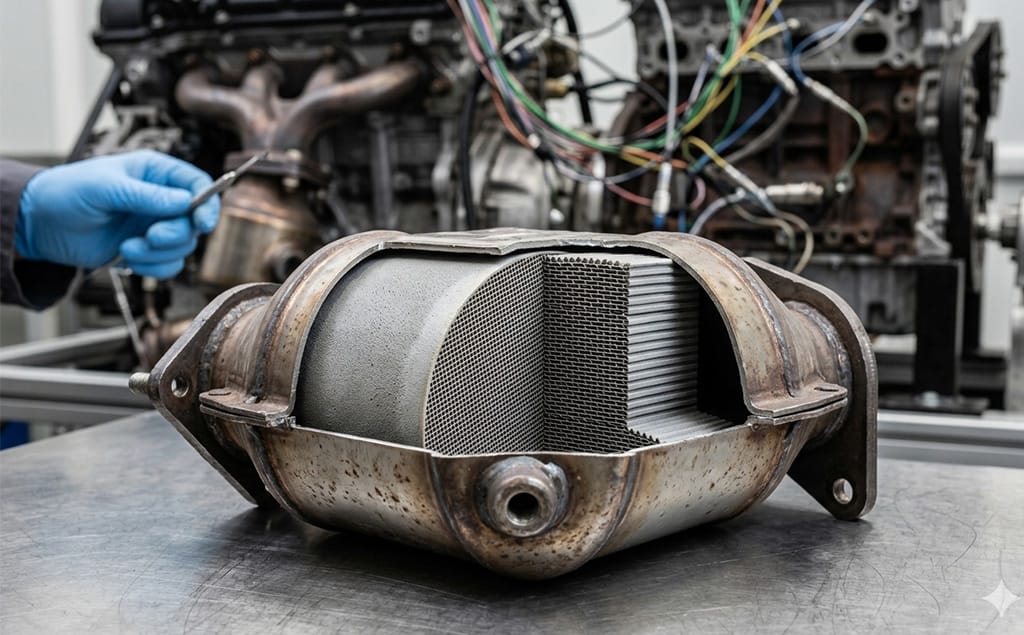
A catalytic converter reduces harmful pollutants through oxidation and reduction reactions. Exhaust gases flow through a ceramic or metallic honeycomb substrate coated with platinum, palladium, and rhodium. These metals act as catalysts. They accelerate reactions without being consumed. As the hot gases contact the active surface, CO oxidizes to CO₂, unburned hydrocarbons convert to CO₂ and H₂O, and NOₓ breaks apart into nitrogen and oxygen. The TWC performs all three reactions. This is why engineers describe it as “three-way.”
Modern Corolla engines rely on closed-loop fuel control. The oxygen sensor monitors the air-fuel ratio. The engine control unit adjusts fuel delivery to maintain stoichiometry. This balance keeps the catalytic converter operating at peak efficiency. A TWC needs this environment to achieve rapid conversion and low tailpipe emissions.

How Many Catalytic Converters a Toyota Corolla Uses
Most Toyota Corolla gasoline models use one catalytic converter in the exhaust system. Standard 1.8-liter engines typically place the converter near the exhaust manifold. This location helps it reach high temperatures quickly. Fast light-off reduces cold-start emissions. Toyota engineers prioritize rapid activation because the first 30 seconds of operation generate the highest emissions.
Corolla hybrid models may use two catalytic converters. One converter supports the gasoline engine. The second converter manages emissions when the hybrid system transitions between electric and internal combustion operation. Dual-converter designs help maintain stable emissions during load changes.
Some aftermarket exhaust systems also add a secondary converter. Performance systems sometimes include high-flow catalytic converters. High-flow designs reduce backpressure and support stronger exhaust scavenging. These converters still perform the same basic reactions but use a freer substrate structure. High-flow catalytic converters benefit engines tuned for higher output.
触媒コンバーターを追加しても、必ずしも性能が向上するわけではありません。排気システムの抵抗が大きすぎるとポンピングロスが増加します。また、触媒担体の密度が高すぎるとガス流速が低下し、効率と出力が低下します。そのため、カローラの工場出荷時の触媒構成は、バランスの取れた排気ガス流と排出ガスの最適化に重点を置いています。
Catalytic Converter Count by Corolla Model Year
次の表は、カローラの各世代における一般的なコンバーターの構成をまとめたものです。
| モデル年範囲 | パワートレインタイプ | 典型的なコンバータ数 |
|---|---|---|
| 2000~2008年 | ガソリン | 1 |
| 2009~2013年 | ガソリン | 1 |
| 2014~2019年 | ガソリン | 1 |
| 2020年~現在 | ガソリン | 1 |
| 2020年~現在 | ハイブリッド | 2 |
これらの値は一般的な構成を表しています。地域によって排出規制が異なるため、特定の市場では異なる場合があります。
Does a 2004 Toyota Corolla Have a Catalytic Converter?
はい。2004年式のトヨタ・カローラは 三元触媒コンバーター排気システムの前部付近に設置されています。このユニットは、排気ガスがテールパイプから排出される前に、CO、HC、NOₓを低減します。車両が排出ガス検査に不合格になったり、加速の低下、燃費の増加、硫黄臭などの症状が見られたりした場合は、コンバーターの点検が必要になる場合があります。コンバーターの故障は、多くの場合、エンジンチェックランプを点灯させます。資格のある整備士は原因を診断し、コンバーターの交換が必要かどうかを確認します。
Corolla Converter Location (2014–2019)
2014~2019年モデルのカローラでは、触媒コンバーターは排気マニホールドの近くに配置されています。エンジニアは、触媒コンバーターをこの位置に配置することで、急速加熱を実現しています。高温のコンバーターはより効率的に機能します。上流酸素センサーはコンバーターの前、下流センサーはコンバーターの後に配置されています。これらのセンサーは触媒性能を測定し、ECUが安定した排出ガスを維持できるようにします。
Extra Section: How a Three-Way Catalytic Converter Works in Real Time
あ 三元触媒コンバーター 数ミリ秒単位で反応を実行します。排気ガスの脈動が高温の状態で基質に侵入します。ガスが数千ものマイクロチャネルを通過する際に、触媒表面で分子が分離され、新たな化合物が形成されます。エンジニアは、変換効率とガス流量のバランスをとるためにチャネル密度を設計します。セル密度が高いほど表面積が増加し、密度が低いほど流量が向上します。メーカーは、エンジンの排気量と排出ガス目標に適合する密度を選択します。
定常巡航中は、コンバーターは安定した環境で動作します。燃料混合気はほぼストイキオメトリー(理論空燃比)に保たれ、触媒は高い効率を維持します。急加速時には排気流量が増加し、温度が上昇します。TWCは、担体が過酷な条件に耐えられるため、この熱を処理します。適切な燃料制御により、過熱を防止します。
Extra Section: Factors That Influence Converter Lifespan
コンバータの寿命は、燃料の品質、エンジン性能、そしてメンテナンス方法に左右されます。未燃焼燃料がコンバータに流入すると、触媒が過熱する可能性があります。オイル消費は触媒担体をコーティングし、表面活性を低下させる可能性があります。失火は過剰な炭化水素をコンバータに送り込み、熱ストレスを引き起こします。スパークプラグを定期的に交換し、オイルレベルを監視し、失火コードに迅速に対処することで、コンバータを保護することができます。
以下の表は、コンバータの劣化の一般的な原因を示しています。
| 原因 | コンバータへの影響 |
|---|---|
| 不発弾 | 過熱、基板の溶融 |
| 石油燃焼 | 触媒中毒 |
| 冷却液漏れ | 表面汚染 |
| 濃い燃料混合 | 触媒活性の低下 |
| 低品質の燃料 | 預金の増加 |
これらの原因を理解することで、所有者はコンバーターのパフォーマンスを長期にわたって維持することができます。
結論
トヨタカローラは 三元触媒コンバーター 最新の排出ガス基準を満たすためです。ほとんどのガソリンカローラモデルは1つの触媒コンバータを搭載しています。ハイブリッドモデルは2つ搭載している場合もあります。アフターマーケットのパフォーマンスシステムでは、排気流を改善するために、2つ目の高流量触媒コンバータが追加される場合があります。触媒コンバータの数は様々ですが、各ユニットは有害な排出ガスの削減とエンジンの効率的な運転に不可欠な役割を果たしています。定期的なメンテナンスと適切なタイミングでの診断により、触媒コンバータを保護し、車両が信頼性の高いクリーンな性能を継続的に発揮できるようにします。