Введение
Hydrogen has become one of the fuels attracting attention in the automotive industry. While battery electric vehicles continue to expand, many engineers and manufacturers are also exploring hydrogen combustion as another possible solution. More information about hydrogen fuel characteristics can be found in hydrogen fuel basics.
Hydrogen ICE (Hydrogen Internal Combustion Engine) does not completely replace the traditional engine concept. Instead, it uses hydrogen fuel with a modified combustion system, allowing manufacturers to continue using part of their existing engine knowledge and production experience.
From an exhaust system perspective, hydrogen creates an interesting challenge. The fuel itself does not contain carbon, which means combustion produces almost no direct carbon dioxide emissions. But the combustion process can still create nitrogen oxides (NOx) because of the high temperature inside the engine.
This means exhaust technology will remain necessary in hydrogen-powered vehicles. The focus may change from controlling carbon-based pollutants to improving NOx management, catalyst durability, and intelligent emission control.
For companies working in emission systems, Hydrogen ICE is not the end of catalytic technology. It represents another stage of development.
Hydrogen ICE Changes the Role of Exhaust Systems
Traditional gasoline engines produce several major pollutants, including carbon monoxide (CO), hydrocarbons (HC), and nitrogen oxides (NOx).
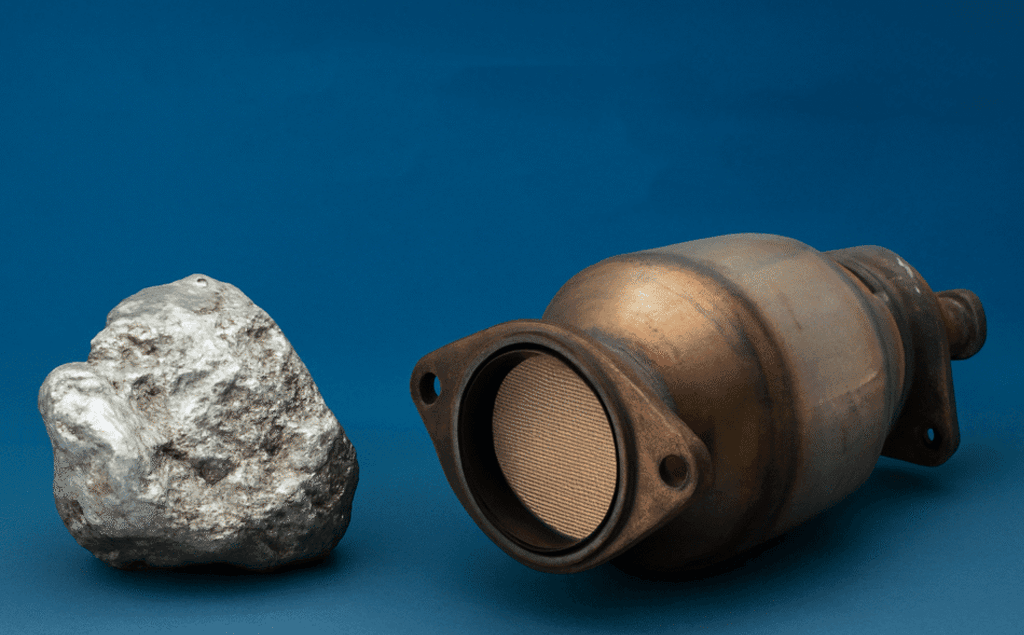
For decades, the трехкомпонентный каталитический нейтрализатор has been widely used to control these emissions. By using catalyst materials such as platinum, palladium, and rhodium, the system converts harmful gases into less harmful substances before they leave the exhaust pipe.
Hydrogen engines operate differently.
Since hydrogen contains no carbon, the exhaust gas contains very low levels of CO and HC. The main concern moves toward NOx emissions.
The table below shows the difference:
| Тип двигателя | Main Emission Concern | Exhaust Treatment Focus |
|---|---|---|
| Бензиновый двигатель | CO, HC, NOx | Three-way emission conversion |
| Diesel Engine | NOx, PM | SCR and particulate control |
| Hydrogen ICE | Mainly NOx | Advanced NOx reduction |
For hydrogen vehicles, the exhaust system must work closely with the engine itself. Combustion control and after-treatment technology need to operate together.
Why Manufacturers Are Looking at Hydrogen Combustion
One reason Hydrogen ICE attracts attention is its connection with existing automotive manufacturing.
The industry already has decades of experience producing internal combustion engines, exhaust components, and related systems.
A complete shift to battery vehicles requires major changes in manufacturing, including new supply chains and charging infrastructure.
Hydrogen combustion provides another option, especially for applications where battery systems may face practical limitations.
Heavy-duty transportation is one example.
Large trucks and industrial vehicles often require:
- Long operating distance
- High power output
- Short refueling time
For these applications, hydrogen may provide advantages because it can deliver energy without adding extremely heavy battery systems.
From a supplier perspective, Hydrogen ICE creates opportunities for companies that already understand engine components and emission control systems.
The Main Exhaust Challenge: Controlling NOx
Hydrogen is often considered a clean fuel because it does not produce carbon emissions during combustion.
However, combustion conditions still affect exhaust performance.
When hydrogen burns at high temperatures, nitrogen and oxygen from the air can react and create NOx.
The amount of NOx depends on several factors,These emission challenges are closely related to current vehicle emission standards and testing requirements.
- Combustion temperature
- Air-fuel ratio
- Ignition control
- Engine design
Because of this, hydrogen engines require careful calibration.
Engine manufacturers are exploring different methods, including improved fuel injection, combustion optimization, and exhaust gas management.Similar emission control strategies are also influenced by regional regulations such as EPA and CARB standards.
The exhaust system also needs to adapt.
A hydrogen exhaust system may require better NOx conversion performance and stronger thermal resistance compared with traditional gasoline applications.
How Catalytic Converter Technology May Adapt
The development of Hydrogen ICE does not mean catalytic converter technology will disappear.
Instead, catalyst systems may become more specialized.
The traditional трехкомпонентный каталитический нейтрализатор was designed around gasoline engine conditions. It balances three chemical reactions to reduce CO, HC, and NOx emissions.
Hydrogen engines create a different environment.
With lower carbon-related emissions, future catalyst development may focus more on:
- NOx reduction efficiency
- High-temperature durability
- Improved catalyst materials
- Lower precious metal usage
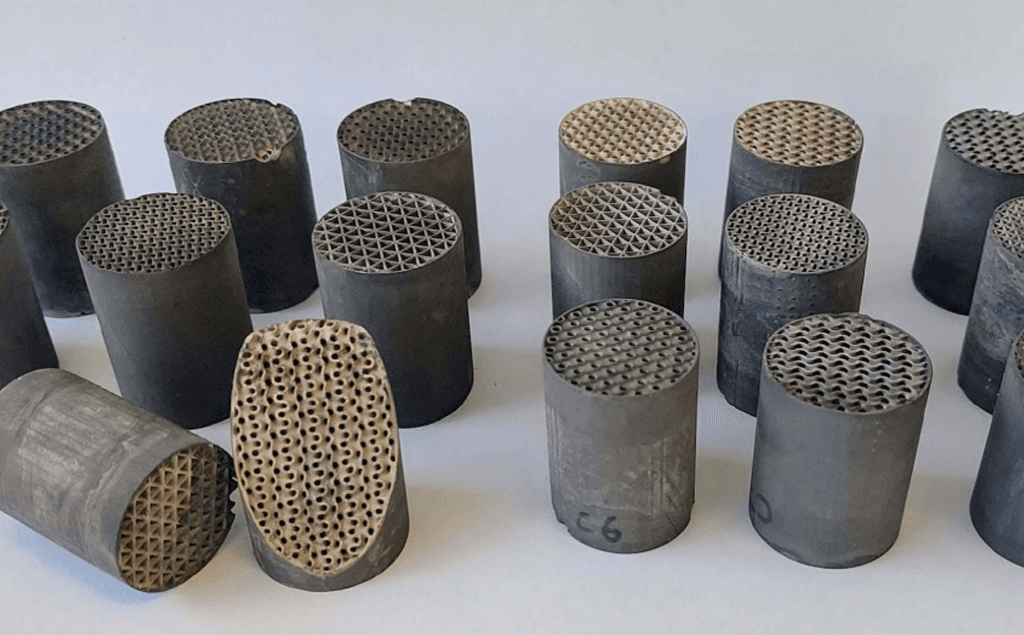
Manufacturers are also studying improvements in ceramic substrates.
The substrate provides the structure where catalyst materials interact with exhaust gases.Understanding the internal structure helps explain how modern catalyst systems improve emission performance.For hydrogen applications, it must handle temperature changes and long-term operating conditions.
This creates opportunities for suppliers with experience in:
- Stainless steel exhaust housings
- Ceramic substrate technology
- Catalyst coating processes
- Emission testing
Smarter Exhaust Systems for Future Vehicles
Future exhaust systems will likely become more connected with vehicle electronics.
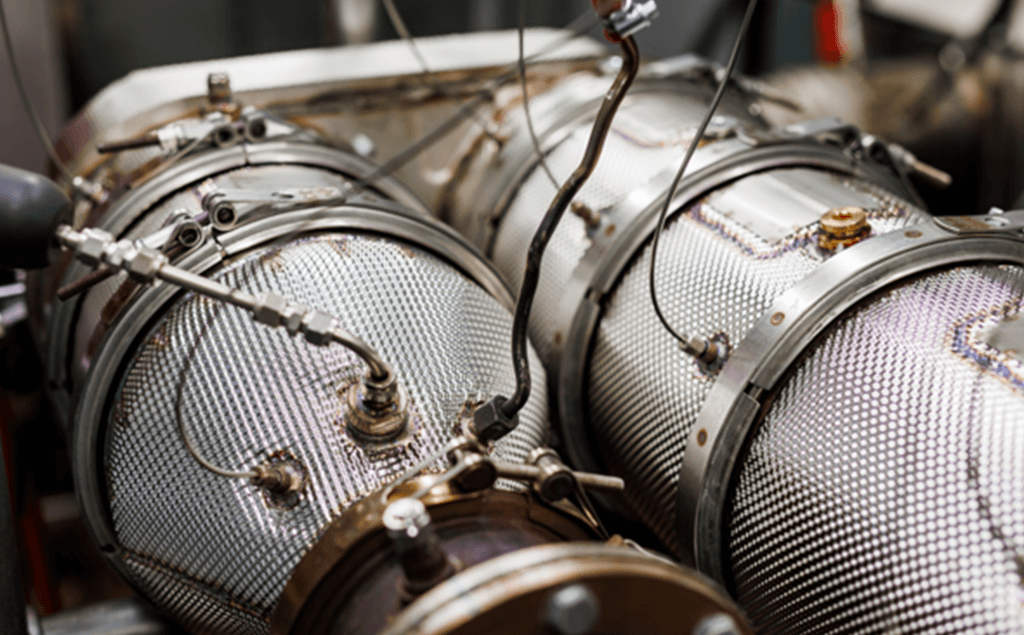
Modern vehicles already use sensors to monitor exhaust conditions. Hydrogen vehicles may require even more accurate monitoring because NOx control becomes a key issue.
A smart exhaust system can collect information from:
- Oxygen sensors
- NOx sensors
- Temperature sensors
The vehicle control unit can then adjust engine operation according to real-time conditions.
This approach allows manufacturers to improve both emission performance and fuel efficiency.
The exhaust system is no longer only a passive component. It becomes part of the vehicle’s control strategy.
Hydrogen ICE and Battery EV May Coexist
The discussion around future vehicles is often presented as hydrogen versus battery electric vehicles.
In reality, different technologies may serve different markets.
Battery EVs are highly suitable for many passenger vehicles, especially urban transportation.
Hydrogen ICE may become attractive for vehicles that require:
- Longer operating hours
- Faster refueling
- Higher load capacity
| Фактор | Hydrogen ICE | Battery EV |
|---|---|---|
| Energy Source | Hydrogen | Electricity |
| Refueling | Fast filling | Charging required |
| Main Challenge | NOx control | Battery weight |
| Potential Market | Commercial vehicles | Passenger vehicles |
The future automotive market will likely include multiple power solutions instead of a single technology, as global hydrogen development continues expanding.
Opportunities for Catalytic Converter Manufacturers
For exhaust system suppliers, Hydrogen ICE should be viewed as an evolution rather than a replacement.
Companies producing catalytic converters already understand many key areas required for future development:
- Material selection
- Catalyst coating
- Exhaust manufacturing
- Emission testing
The knowledge gained from traditional gasoline emission systems provides a strong foundation for developing hydrogen-compatible solutions.
The role of the трехкомпонентный каталитический нейтрализатор may change, but the need for emission control technology will remain.
Experience in catalytic converter manufacturing process provides a strong foundation for developing hydrogen-compatible solutions.
Заключение
Hydrogen ICE provides another possible direction for cleaner transportation. It combines hydrogen fuel with familiar combustion technology and may offer advantages in commercial and heavy-duty applications.
However, hydrogen engines still face emission challenges, especially NOx control. This means exhaust systems will continue to play an important role.
Catalyst technology, sensor systems, and intelligent emission control will continue developing alongside new vehicle powertrains.These developments are also connected with stricter future regulations, including Euro 7 emission requirements.
For automotive exhaust manufacturers, hydrogen does not represent the disappearance of catalytic technology. Instead, it opens a new opportunity to create more advanced emission solutions for the next generation of vehicles.