Introduction
Modern automotive engineering prioritizes the reduction of tailpipe emissions. The three way catalytic converter serves as the core technology for this purpose. This component functions as a chemical laboratory within the exhaust system. It effectively neutralizes toxic gases before they enter the atmosphere. However, the system requires extreme precision to maintain high efficiency. The exhaust gas temperature (EGT) sensor provides the necessary data to achieve this precision. This sensor acts as the primary monitor for the thermal health of the three way catalytic converter.
The Technical Role of the Three Way Catalytic Converter
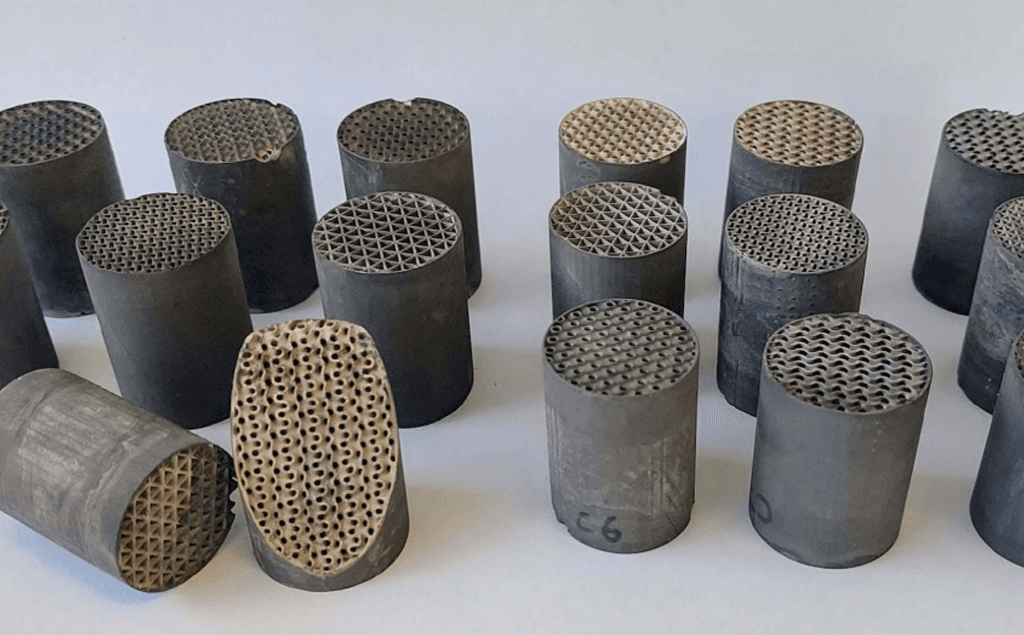
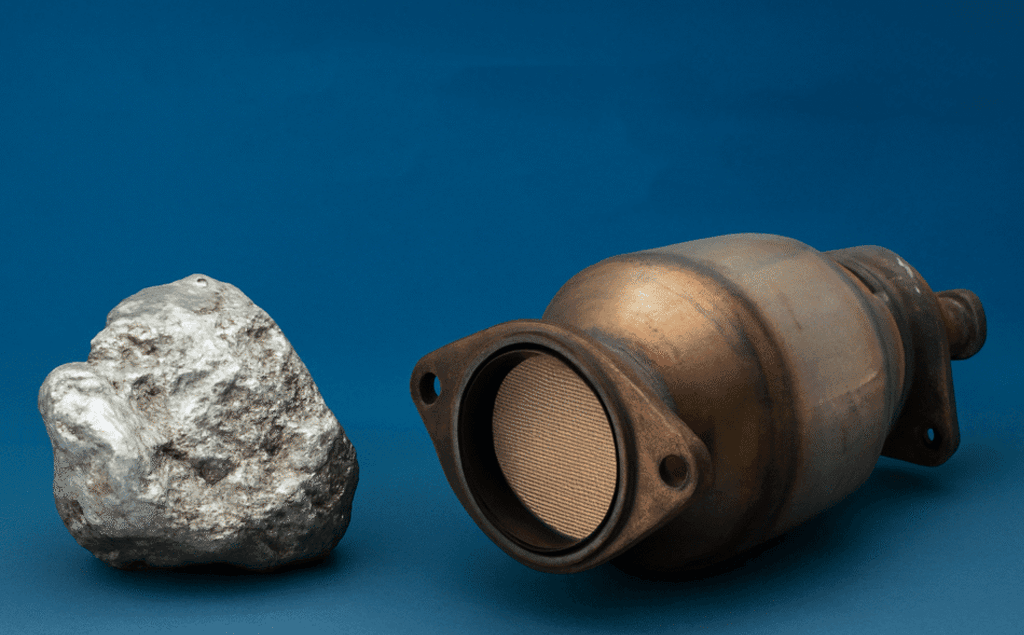
The three way catalytic converter utilizes a honeycomb structure made of ceramic. Manufacturers coat this structure with precious metals such as platinum and palladium. These metals act as catalysts for three specific chemical reactions. First, the unit reduces nitrogen oxides into simple nitrogen and oxygen. Second, it oxidizes carbon monoxide into carbon dioxide. Third, it converts unburnt hydrocarbons into water vapor and carbon dioxide. These reactions require a specific temperature range to occur effectively. The light-off temperature typically starts at 300 degrees Celsius. Optimal efficiency usually occurs between 400 and 800 degrees Celsius. The EGT sensor ensures the three way catalytic converter stays within this thermal window.

Critical Thermal Management Strategies
The ECU manages the three way catalytic converter by adjusting engine parameters. It uses the EGT sensor data to determine the current state of the catalyst. During a cold start, the ECU may retard ignition timing to heat the exhaust quickly. This action brings the three way catalytic converter to its light-off temperature faster. Under high-load conditions, the EGT sensor might detect excessive heat. The ECU responds by enriching the fuel-to-air ratio. The extra fuel absorbs heat as it evaporates, cooling the exhaust gas. This protects the three way catalytic converter from permanent thermal degradation.
Symptoms of Sensor and Catalyst Malfunctions
A malfunctioning EGT sensor or three way catalytic converter produces specific warning signs. Technicians must recognize these symptoms early to avoid costly repairs.
- Activation of the Check Engine Light: The ECU constantly monitors sensor voltages. Any reading outside the calibrated range triggers a diagnostic trouble code.
- Poor Engine Performance: A faulty sensor causes the ECU to enter a fail-safe mode. This mode restricts turbocharger boost and engine timing. The driver will experience sluggish acceleration and a lack of power.
- Decreased Fuel Efficiency: Incorrect temperature data leads to poor fuel management. The engine often runs rich, which increases fuel consumption significantly.
- Unpleasant Exhaust Odors: A failing three way catalytic converter cannot process sulfur compounds. This results in a strong “rotten egg” smell from the tailpipe.
- Excessive DPF Regeneration: In diesel engines, the EGT sensor manages the cleaning of the particulate filter. A bad sensor causes the system to run regeneration cycles too often or not at all.
Advanced Sensor Technology: PTC vs NTC
Automotive manufacturers utilize two main types of temperature sensing technology. Both types rely on the principle of variable resistance. However, they react to temperature changes in opposite ways.
The Positive Temperature Coefficient (PTC) sensor is the modern industry standard. In a PTC sensor, the electrical resistance increases as the temperature rises. This design offers high durability and stability at extreme temperatures. Most three way catalytic converter systems use PTC sensors due to their reliability.
The Negative Temperature Coefficient (NTC) sensor operates differently. In this design, the resistance decreases as the temperature increases. NTC sensors provide excellent sensitivity at lower temperatures. However, they may struggle with the intense heat produced by a high-performance three way catalytic converter. Technicians must identify the sensor type before performing electrical tests.
Technical Comparison of EGT Sensor Characteristics
| Property | PTC Sensor Technology | NTC Sensor Technology |
|---|---|---|
| Primary Reaction | Resistance rises with heat | Resistance falls with heat |
| Maximum Range | Up to 1000 Degrees Celsius | Up to 700 Degrees Celsius |
| Typical Application | Three Way Catalytic Converters | Intake Air or Coolant Monitoring |
| Sensitivity | Higher at high temperatures | Higher at low temperatures |
| Failure Mode | Often reads “out of range” | Often shorts to ground |
Systematic Troubleshooting Procedures
Diagnosing the three way catalytic converter system requires a logical approach. Technicians should follow these steps to isolate the fault.
Step 1: Perform a Full System Scan. Use an OBD-II diagnostic tool to retrieve error codes. Look for P0420 (Catalyst Efficiency) or P0544 (EGT Sensor Circuit). These codes provide the starting point for the investigation.
Step 2: Conduct a Visual Inspection. Raise the vehicle and inspect the exhaust system. Look for cracks in the three way catalytic converter housing. Check the wiring for the EGT sensor. Look for signs of melting, fraying, or corrosion at the electrical connector.
Step 3: Test Voltage Supply. Disconnect the sensor from the harness. Turn the vehicle ignition to the “on” position. Use a digital multimeter to measure the voltage at the harness connector. The ECU should supply a steady 5-volt reference signal. A lack of voltage indicates a wiring break or a faulty ECU.
Step 4: Execute the Infrared Thermal Test. Start the engine and let it reach operating temperature. Use an infrared thermometer to measure the temperature of the pipe before the three way catalytic converter. Then, measure the temperature of the pipe immediately after the converter. A functional three way catalytic converter should show a temperature increase of at least 100 degrees Fahrenheit. If the outlet is cooler than the inlet, the catalyst is likely dead.
Step 5: Check Sensor Resistance. Use the multimeter to measure the resistance across the sensor pins. Compare this value to the manufacturer’s data sheet. If the multimeter shows “OL” or zero ohms, the sensor has failed internally.
Common Failure Points in the Exhaust System
Several factors lead to the failure of the EGT sensor and the three way catalytic converter. Understanding these causes helps prevent future issues.
- Thermal Fatigue: The exhaust system experiences extreme temperature swings. These cycles cause metal expansion and contraction. Over time, this stress breaks the delicate internal components of the sensor.
- Vibration Damage: The engine and road surface create constant vibrations. These vibrations can loosen the internal ceramic elements of the three way catalytic converter. They also cause the sensor wires to rub against the chassis, leading to short circuits.
- Chemical Contamination: Leaking oil or coolant can enter the exhaust stream. These fluids coat the internal surface of the three way catalytic converter. This coating prevents the exhaust gases from touching the catalyst. This process, known as “masking,” renders the converter useless.
- Engine Misfires: A misfiring cylinder sends raw fuel into the exhaust. This fuel burns inside the three way catalytic converter. The resulting fire can reach 1400 degrees Celsius. This heat melts the ceramic substrate and destroys the unit instantly.
Interpreting Diagnostic Trouble Codes (DTCs)
| DTC Code | Description | Technical Meaning |
|---|---|---|
| P0544 | EGT Sensor Circuit Bank 1 | The ECU detects a circuit break |
| P0546 | EGT Sensor High Input | The signal voltage is too high |
| P0420 | Catalyst System Efficiency | The three way catalytic converter is failing |
| P2033 | EGT Sensor Circuit High | Possible short to power in the wiring |
| P247A | EGT Sensor Out of Range | The sensor signal is illogical |
Replacement and Calibration Guide
If the diagnosis confirms a faulty sensor, you must replace it. Follow these best practices for a successful repair.
First, spray the sensor threads with a high-quality penetrating oil. Let the oil soak for at least thirty minutes. Exhaust components often rust together due to high heat. Use a specialized sensor socket to prevent rounding the hex head. Unscrew the old sensor carefully.
Second, clean the mounting hole on the exhaust pipe. Use a wire brush to remove any carbon buildup or rust. This ensures a proper seal for the new sensor.
Third, apply a small amount of high-temperature anti-seize to the threads of the new sensor. Do not let any grease touch the sensor tip. Install the sensor and tighten it to the manufacturer’s torque specification.
Fourth, reconnect the electrical harness. Secure the wire away from hot exhaust pipes or moving parts. Use heat-resistant zip ties if necessary.
Finally, clear the diagnostic codes with your scanner. Start the engine and perform a test drive. Monitor the live data for the three way catalytic converter. The temperature readings should fluctuate naturally with engine load.
The Importance of the Drive Cycle
The ECU does not immediately confirm a repair. It must perform a “Drive Cycle” to verify the three way catalytic converter health. This cycle involves specific driving conditions. You should drive at a steady speed for several miles. Then, allow the vehicle to coast to a stop. Finally, perform several moderate accelerations. These actions allow the ECU to test the new sensor against the oxygen sensors. Once the ECU completes its self-test, the “Monitor” will show as “Ready.” This state is necessary to pass official emissions inspections.
Conclusion
The three way catalytic converter remains a cornerstone of environmental protection in the automotive world. The EGT sensor serves as the vital guardian of this component. Through precise thermal monitoring, it ensures the efficiency and longevity of the exhaust system. Troubleshooting these systems requires a blend of mechanical inspection and electrical testing. Technicians must use tools like multimeters and infrared thermometers to verify the data. By understanding the differences between PTC and NTC sensors, you can avoid diagnostic errors. Always address the root cause of failure, such as engine misfires or oil leaks. Maintaining the health of the three way catalytic converter protects the vehicle’s performance and the cleanliness of our air.