giriiş
Modern automotive engineering faces a critical challenge. Manufacturers must reduce harmful tailpipe emissions to meet global standards like those set by the Çevre Koruma Ajansı. Two primary technologies lead this effort: the Gasoline Particulate Filter (GPF) and the Diesel Particulate Filter (DPF). Both components utilize ceramic honeycomb structures to trap fine soot particles. However, their internal designs and operational logic differ significantly. These filters work alongside the üç yollu katalitik konvertör to ensure vehicles remain environmentally compliant. This article explores the technical nuances, regeneration processes, and maintenance requirements of these essential emission control systems.
The Fundamental Role of Particulate Filtration
Internal combustion engines produce particulate matter (PM) during the combustion cycle. Diesel engines traditionally generate high volumes of visible soot. In contrast, modern Gasoline Direct Injection (GDI) engines produce finer, more invisible particles. These particles pose significant health risks. Therefore, engineers integrate filtration systems into the exhaust stream,a process detailed in DieselNet’s technical guides.
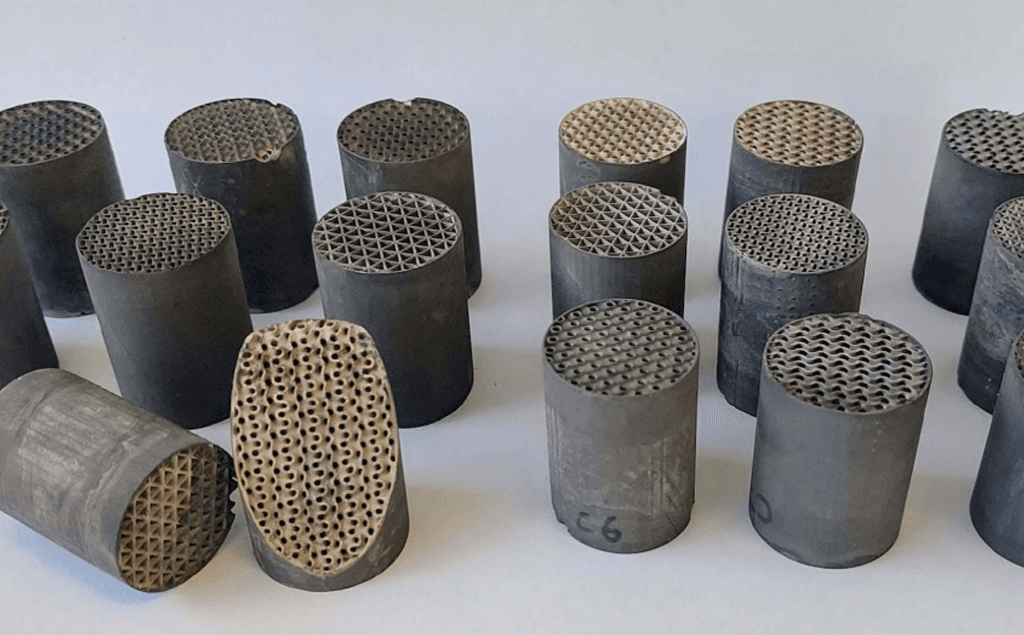
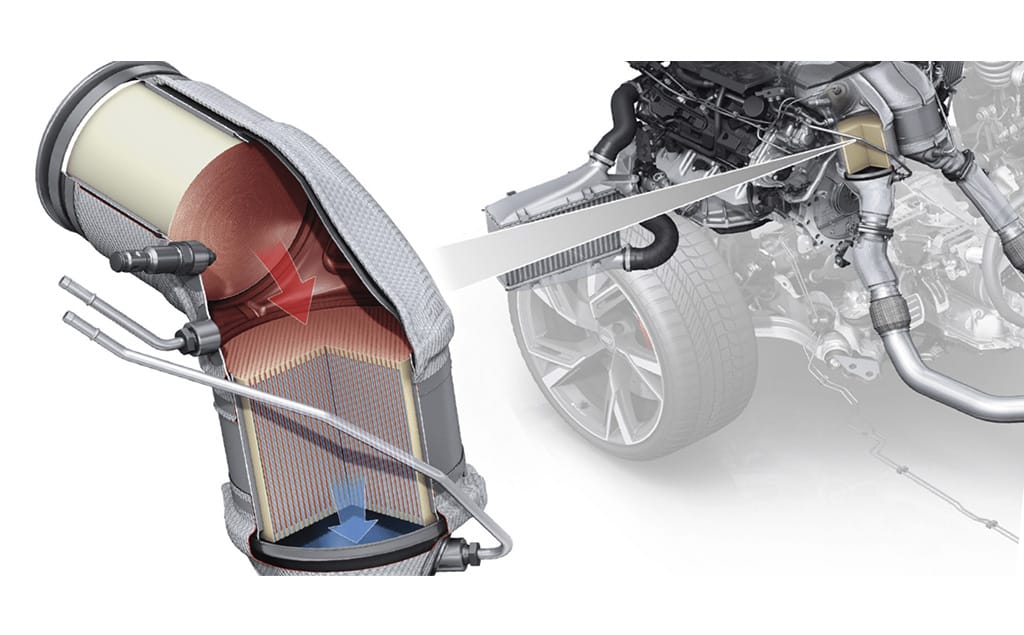
The DPF serves as the primary defense for diesel powertrains. It captures heavy soot loads before they exit the tailpipe. The GPF addresses the unique challenges of GDI engines. These engines offer high fuel efficiency but emit high numbers of fine particulates. Both systems rely on porous walls to separate solids from exhaust gases.
Synergy with the Three Way Catalytic Converter
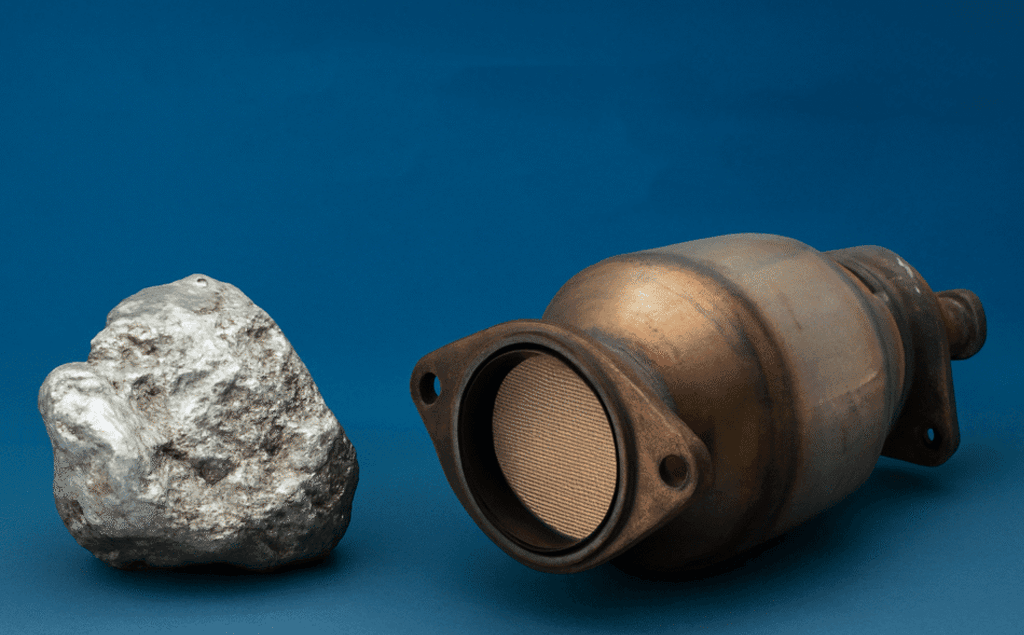
In gasoline vehicles, the GPF does not work in isolation. It maintains a close relationship with the üç yollu katalitik konvertör. üç yollu katalitik konvertör handles gaseous pollutants like carbon monoxide (CO), nitrogen oxides (NOx), and hydrocarbons (HC). Engineers often place the GPF immediately after the üç yollu katalitik konvertör.
Some advanced designs even combine these two components. Manufacturers apply a catalytic washcoat directly to the GPF substrate. This “four-way” catalyst system saves space and reduces weight. It allows the filter to oxidize gaseous pollutants while simultaneously trapping soot. The high-temperature environment near the üç yollu katalitik konvertör benefits the GPF. It ensures the filter reaches the necessary temperature for continuous soot oxidation.
Technical Comparison: GPF vs. DPF
| Özellik | Dizel Partikül Filtresi (DPF) | Benzin Partikül Filtresi (GPF) |
|---|---|---|
| Primary Fuel | Dizel | Gasoline (GDI) |
| Exhaust Temperature | Lower (300°C – 500°C) | Higher (600°C – 800°C) |
| Soot Load | Yüksek | Low to Moderate |
| Regeneration Type | Active and Complex | Passive and Continuous |
| Porosity | Lower (Robust structure) | Higher (Lighter structure) |
| Geri basınç | Higher impact on performance | Lower impact on performance |
| Proximity to TWC | Usually separate | Often integrated or adjacent |
Regeneration Mechanics: Active vs. Passive
Regeneration describes the process of burning off accumulated soot. Without this process, the filter would clog and increase backpressure. This would eventually stall the engine.
DPF: The Active Approach
Diesel exhaust remains relatively cool during normal operation. It rarely reaches the 600°C required to burn soot naturally. Therefore, the vehicle’s Engine Control Unit (ECU) must trigger “active regeneration.” The system injects extra fuel into the cylinders or the exhaust stream. This fuel burns and raises the DPF temperature. This process requires specific driving conditions, such as sustained highway speeds. Frequent short trips often prevent successful DPF regeneration.
GPF: The Passive Advantage
Gasoline engines operate at much higher temperatures. The exhaust gas often exceeds the soot ignition point during normal driving. Consequently, the GPF utilizes “passive regeneration.” Soot burns off continuously as the driver operates the vehicle. Deceleration phases provide an oxygen-rich environment. This oxygen accelerates the oxidation of trapped carbon. Because of this, GPFs rarely suffer from the clogging issues common in diesel systems.

Material Science and Structural Design
Engineers select materials based on thermal stress and filtration efficiency. Most filters use Cordierite or Silicon Carbide.
The DPF requires a robust, dense substrate. It must withstand the intense heat of active regeneration cycles. These cycles create significant thermal gradients across the filter. A dense structure prevents the filter from cracking under stress.
The GPF prioritizes low backpressure. Gasoline engines are sensitive to exhaust restrictions. Therefore, GPFs feature higher porosity and thinner walls. This design allows exhaust gases to flow more freely. It minimizes the impact on fuel economy and engine power. Despite its lighter weight, the GPF remains highly efficient. It can remove over 90% of fine particulates from the exhaust stream.
Maintenance and Lifecycle Expectations
Maintenance requirements define the long-term cost of ownership for these systems.
DPFs accumulate non-combustible ash over time. This ash comes from engine oil additives and fuel impurities. Active regeneration cannot remove ash. Eventually, the ash fills the filter cells. This requires professional cleaning using specialized machines or total replacement. Owners must use “Low SAPS” engine oils to prolong DPF life.
GPFs generally require less maintenance. Their continuous regeneration prevents soot buildup. Furthermore, gasoline engines produce less ash than diesel engines. Most manufacturers design the GPF to last the entire lifetime of the vehicle. It functions as a “fit and forget” component in most applications. However, using the correct engine oil remains vital for protecting the integrated üç yollu katalitik konvertör and the filter substrate.
The Evolution of Filtration Substrates
Recent innovations focus on reducing the “light-off” time for emission systems. The “light-off” temperature is the point where the üç yollu katalitik konvertör becomes active.
Mühendisler artık daha ince duvarlar ve daha yüksek hücre yoğunlukları kullanıyor. Bu, egzoz sisteminin termal kütlesini azaltır. Daha düşük termal kütle, üç yollu katalitik konvertör GPF'nin daha hızlı ısınması sağlanır. Daha hızlı ısınma, soğuk çalıştırma emisyonlarını azaltır. Soğuk çalıştırmalar, bir aracın toplam kirliliğinin büyük bir yüzdesini oluşturur. Üreticiler, alt tabakayı optimize ederek katı Euro 6d ve Euro 7 standartlarını karşılarlar.
Environmental and Regulatory Impact
Küresel düzenlemeler bu filtrelerin kullanımını yönlendiriyor. Çin 6 ve Euro 6 standartları, Partikül Sayısı (PN) konusunda katı sınırlar belirliyor.
Dizel motorlar on yıldan fazla bir süredir DPF (Dizel Partikül Filtresi) kullanıyor. Bu filtreler, eski kamyonlarda görülen "siyah dumanı" başarıyla ortadan kaldırdı. Şimdi ise odak noktası benzinli motorlara kayıyor. GDI teknolojisi gücü artırdı ancak ince partikül sayısını da artırdı. GPF (Gazlı Partikül Filtresi) bu sorunu etkili bir şekilde çözüyor. Modern benzinli araçların dizel muadilleri kadar temiz olmasını sağlıyor. Her iki teknoloji de dizel motorlarla birlikte çalışıyor. üç yollu katalitik konvertör Çok aşamalı bir arıtma sistemi oluşturmak için.
Operational Challenges and Troubleshooting
Verimliliklerine rağmen, bu sistemler zorluklarla karşılaşabilir.
Dizel partikül filtresi (DPF) arızası genellikle "sürüş döngüsü" sorunlarından kaynaklanır. Şehir içi sürüş, filtrenin rejenerasyon sıcaklıklarına ulaşmasını engeller. Bu da motorun güç kaybettiği "sınırlı çalışma moduna" yol açar. Sürücüler daha sonra bir servis merkezinde "zorunlu rejenerasyon" yaptırmak zorunda kalırlar.
GPF sorunları nadirdir ancak genellikle fiziksel hasarı içerir. Yüksek hızlı çarpışmalar veya aşırı motor arızaları alt tabakayı eritebilir. Arızalı bir motor, ham yakıtı sıcak yüzeye gönderir. üç yollu katalitik konvertörBu yakıt tutuşur ve bölgesel bir "erime"ye neden olur. Doğru motor bakımı bu tür felaket niteliğindeki arızaları önler.
Summary of Lifecycle Costs
| Faktör | DPF (Dizel) | GPF (Benzin) |
|---|---|---|
| İlk Maliyet | Yüksek | Ilıman |
| Petrol İhtiyacı | Özel Düşük Küllü Yağ | Standart Sentetik |
| Temizlik Aralığı | 100.000 – 150.000 km | Ömür boyu (Temizlik gerektirmez) |
| Yenileme Maliyeti | Çok Yüksek | Ilıman |
| Güvenilirlik | Sürüş tarzına duyarlı | Son derece sağlam |
Çözüm
GPF ve DPF, partikül kontrol teknolojisinin zirvesini temsil eder. Ortak bir hedefe sahip olsalar da, başarıya giden yolları farklıdır. DPF, aktif termal müdahale yoluyla ağır kurum partiküllerini kontrol eder. GPF ise pasif temizlik için benzin egzozunun doğal olarak yüksek ısısından yararlanır. Her iki sistem de temel çalışmalara dayanmaktadır. üç yollu katalitik konvertör Gaz halindeki toksinleri nötralize etmek için. Bu farklılıkları anlamak, üreticilerin daha iyi arabalar üretmesine yardımcı olur. Ayrıca tüketicilerin araçlarını daha temiz bir çevre için bakımlı tutmalarına da yardımcı olur. Daha katı standartlara doğru ilerledikçe, bu filtreler gelişmeye devam edecektir. İçten yanmalı motorun geleceği için vazgeçilmez olmaya devam ediyorlar.