Uvod
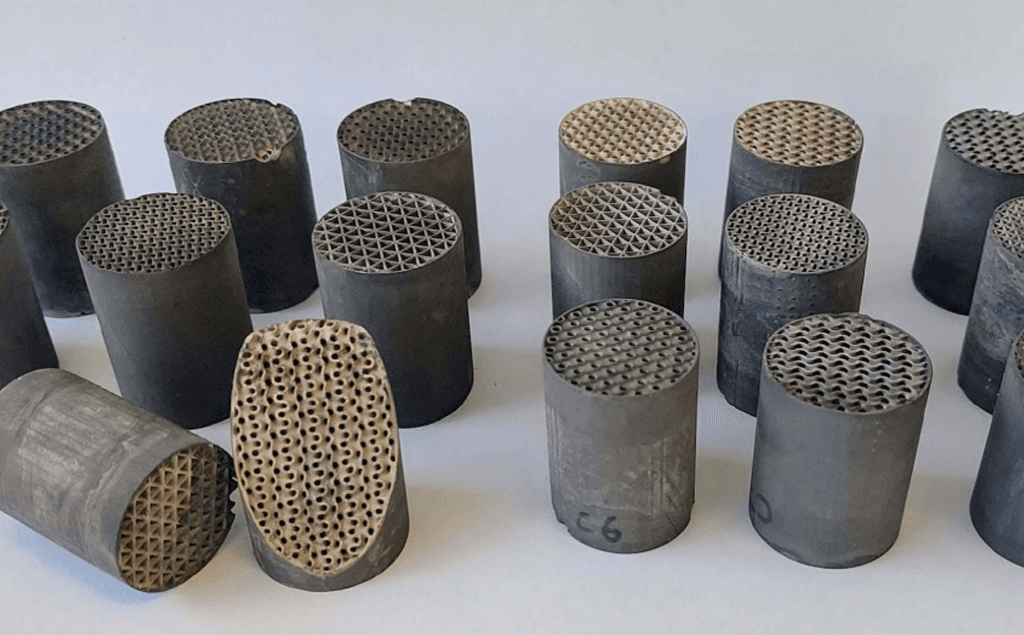
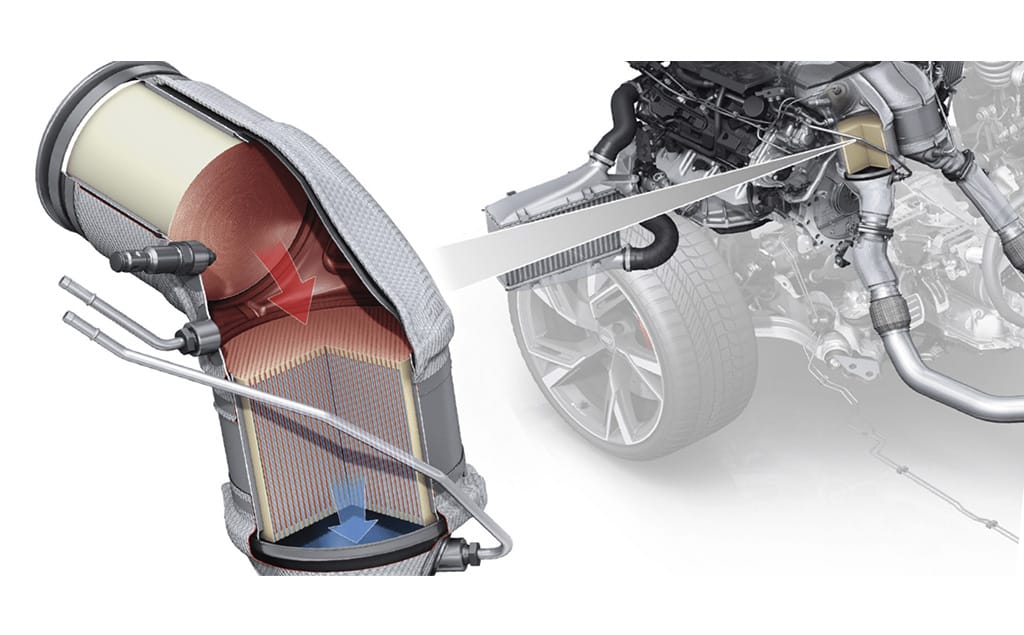
Modern automotive engineering faces a critical challenge. Manufacturers must reduce harmful tailpipe emissions to meet global standards like those set by the Agencija za zaštitu okoliša. Two primary technologies lead this effort: the Gasoline Particulate Filter (GPF) and the Diesel Particulate Filter (DPF). Both components utilize ceramic honeycomb structures to trap fine soot particles. However, their internal designs and operational logic differ significantly. These filters work alongside the trosmjerni katalizator to ensure vehicles remain environmentally compliant. This article explores the technical nuances, regeneration processes, and maintenance requirements of these essential emission control systems.
The Fundamental Role of Particulate Filtration
Internal combustion engines produce particulate matter (PM) during the combustion cycle. Diesel engines traditionally generate high volumes of visible soot. In contrast, modern Gasoline Direct Injection (GDI) engines produce finer, more invisible particles. These particles pose significant health risks. Therefore, engineers integrate filtration systems into the exhaust stream,a process detailed in DieselNet’s technical guides.
The DPF serves as the primary defense for diesel powertrains. It captures heavy soot loads before they exit the tailpipe. The GPF addresses the unique challenges of GDI engines. These engines offer high fuel efficiency but emit high numbers of fine particulates. Both systems rely on porous walls to separate solids from exhaust gases.
Synergy with the Three Way Catalytic Converter
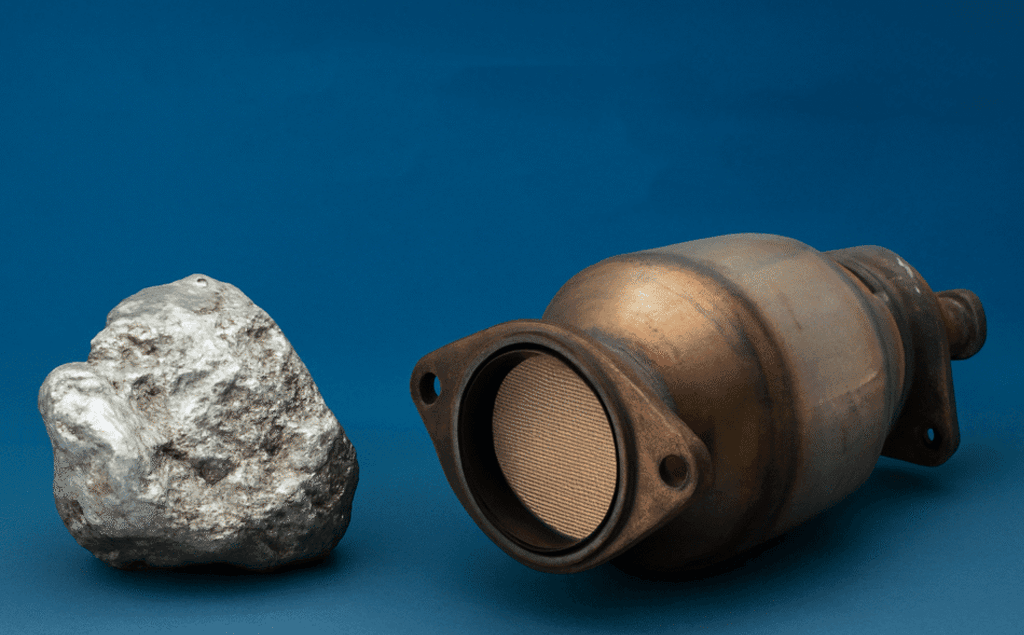
In gasoline vehicles, the GPF does not work in isolation. It maintains a close relationship with the trosmjerni katalizator. The trosmjerni katalizator handles gaseous pollutants like carbon monoxide (CO), nitrogen oxides (NOx), and hydrocarbons (HC). Engineers often place the GPF immediately after the trosmjerni katalizator.
Some advanced designs even combine these two components. Manufacturers apply a catalytic washcoat directly to the GPF substrate. This “four-way” catalyst system saves space and reduces weight. It allows the filter to oxidize gaseous pollutants while simultaneously trapping soot. The high-temperature environment near the trosmjerni katalizator benefits the GPF. It ensures the filter reaches the necessary temperature for continuous soot oxidation.
Technical Comparison: GPF vs. DPF
| Funkcija | Filter dizelskih čestica (DPF) | Filter čestica benzina (GPF) |
|---|---|---|
| Primary Fuel | Dizel | Gasoline (GDI) |
| Exhaust Temperature | Lower (300°C – 500°C) | Higher (600°C – 800°C) |
| Soot Load | Visoko | Low to Moderate |
| Regeneration Type | Active and Complex | Passive and Continuous |
| Porosity | Lower (Robust structure) | Higher (Lighter structure) |
| Povratni pritisak | Higher impact on performance | Lower impact on performance |
| Proximity to TWC | Usually separate | Often integrated or adjacent |
Regeneration Mechanics: Active vs. Passive
Regeneration describes the process of burning off accumulated soot. Without this process, the filter would clog and increase backpressure. This would eventually stall the engine.
DPF: The Active Approach
Diesel exhaust remains relatively cool during normal operation. It rarely reaches the 600°C required to burn soot naturally. Therefore, the vehicle’s Engine Control Unit (ECU) must trigger “active regeneration.” The system injects extra fuel into the cylinders or the exhaust stream. This fuel burns and raises the DPF temperature. This process requires specific driving conditions, such as sustained highway speeds. Frequent short trips often prevent successful DPF regeneration.
GPF: The Passive Advantage
Gasoline engines operate at much higher temperatures. The exhaust gas often exceeds the soot ignition point during normal driving. Consequently, the GPF utilizes “passive regeneration.” Soot burns off continuously as the driver operates the vehicle. Deceleration phases provide an oxygen-rich environment. This oxygen accelerates the oxidation of trapped carbon. Because of this, GPFs rarely suffer from the clogging issues common in diesel systems.

Material Science and Structural Design
Engineers select materials based on thermal stress and filtration efficiency. Most filters use Cordierite or Silicon Carbide.
The DPF requires a robust, dense substrate. It must withstand the intense heat of active regeneration cycles. These cycles create significant thermal gradients across the filter. A dense structure prevents the filter from cracking under stress.
The GPF prioritizes low backpressure. Gasoline engines are sensitive to exhaust restrictions. Therefore, GPFs feature higher porosity and thinner walls. This design allows exhaust gases to flow more freely. It minimizes the impact on fuel economy and engine power. Despite its lighter weight, the GPF remains highly efficient. It can remove over 90% of fine particulates from the exhaust stream.
Maintenance and Lifecycle Expectations
Maintenance requirements define the long-term cost of ownership for these systems.
DPFs accumulate non-combustible ash over time. This ash comes from engine oil additives and fuel impurities. Active regeneration cannot remove ash. Eventually, the ash fills the filter cells. This requires professional cleaning using specialized machines or total replacement. Owners must use “Low SAPS” engine oils to prolong DPF life.
GPFs generally require less maintenance. Their continuous regeneration prevents soot buildup. Furthermore, gasoline engines produce less ash than diesel engines. Most manufacturers design the GPF to last the entire lifetime of the vehicle. It functions as a “fit and forget” component in most applications. However, using the correct engine oil remains vital for protecting the integrated trosmjerni katalizator and the filter substrate.
The Evolution of Filtration Substrates
Nedavne inovacije fokusiraju se na smanjenje vremena "gašenja svjetla" za sisteme emisije. Temperatura "gašenja svjetla" je tačka u kojoj trosmjerni katalizator postaje aktivan.
Inženjeri sada koriste tanje zidove i veću gustinu ćelija. To smanjuje termičku masu ispušnog sistema. Manja termička masa omogućava... trosmjerni katalizator i GPF za brže zagrijavanje. Brže zagrijavanje smanjuje emisije pri hladnom startu. Hladni startovi doprinose velikom postotku ukupnog zagađenja vozila. Optimizacijom podloge, proizvođači ispunjavaju stroge standarde Euro 6d i Euro 7.
Utjecaj na okoliš i propise
Globalni propisi potiču usvajanje ovih filtera. Standardi Kine 6 i Euro 6 postavljaju stroga ograničenja za broj čestica (PN).
Dizelski motori koriste DPF filtere već više od deset godina. Uspješno su eliminirali "crni dim" povezan sa starijim kamionima. Sada se fokus prebacuje na benzinske motore. GDI tehnologija je poboljšala snagu, ali je povećala broj finih čestica. GPF efikasno rješava ovaj problem. Osigurava da su moderni benzinski automobili jednako čisti kao i njihovi dizelski ekvivalenti. Obje tehnologije rade sa... trosmjerni katalizator stvoriti višestepeni sistem za prečišćavanje.
Operativni izazovi i rješavanje problema
Uprkos svojoj efikasnosti, ovi sistemi se mogu suočiti s izazovima.
Kvar DPF-a često proizlazi iz problema s "ciklusom vožnje". Gradska vožnja sprječava filter da dostigne temperaturu regeneracije. To dovodi do "šepavog načina rada" u kojem motor gubi snagu. Vozači tada moraju izvršiti "prisilnu regeneraciju" u servisnom centru.
Problemi sa GPF-om su rijetki, ali obično uključuju fizička oštećenja. Udari pri velikim brzinama ili ekstremni propusti u paljenju motora mogu otopiti podlogu. Motor sa propustima u paljenju šalje sirovo gorivo u vrući... trosmjerni katalizatorOvo gorivo se zapali i stvara lokalizirano "topljenje". Pravilno održavanje motora sprječava ove katastrofalne kvarove.
Sažetak troškova životnog ciklusa
| Faktor | DPF (dizel) | GPF (benzin) |
|---|---|---|
| Početni trošak | Visoko | Umjereno |
| Potreba za uljem | Specifično ulje s niskim sadržajem pepela | Standardni sintetički |
| Interval čišćenja | 100.000 – 150.000 km | Doživotno (bez čišćenja) |
| Troškovi zamjene | Vrlo visoko | Umjereno |
| Pouzdanost | Osetljiv na stil vožnje | Visoko robustan |
Zaključak
GPF i DPF predstavljaju vrhunac tehnologije kontrole čestica. Iako dijele zajednički cilj, njihovi putevi do uspjeha se razlikuju. DPF upravlja teškom čađi putem aktivne termičke intervencije. GPF koristi prirodno visoku toplinu izduvnih gasova benzina za pasivno čišćenje. Oba sistema se oslanjaju na temeljni rad... trosmjerni katalizator neutralizirati plinovite toksine. Razumijevanje ovih razlika pomaže proizvođačima da grade bolje automobile. Također pomaže potrošačima da održavaju svoja vozila radi čistije okoline. Kako se krećemo prema strožim standardima, ovi filteri će se nastaviti razvijati. Oni ostaju ključni za budućnost motora s unutrašnjim sagorijevanjem.