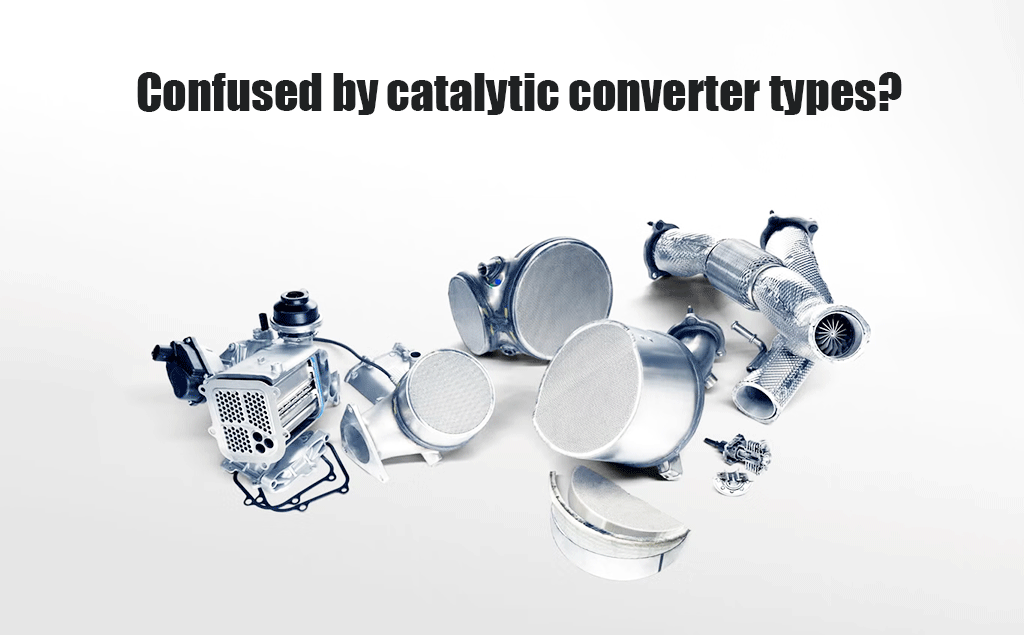
The catalytic converter is the unsung hero of your vehicle’s exhaust system, a critical component that works tirelessly to reduce air pollution and ensure your car meets modern emission standards. However, when it’s time for a replacement, many vehicle owners find themselves navigating a confusing landscape of options: OEM, aftermarket, direct-fit, universal—which is the best choice? Selecting the wrong type of catalytic converter can lead to diminished vehicle performance, an illuminated “check engine” light, or even a failed emission test. This article will provide a deep dive into the different types of catalytic converters, explaining their technology, pros, cons, and ideal applications, empowering you to make an informed decision that’s right for your car, your budget, and the environment.
What Is a Catalytic Converter and Why Are There Different Types?
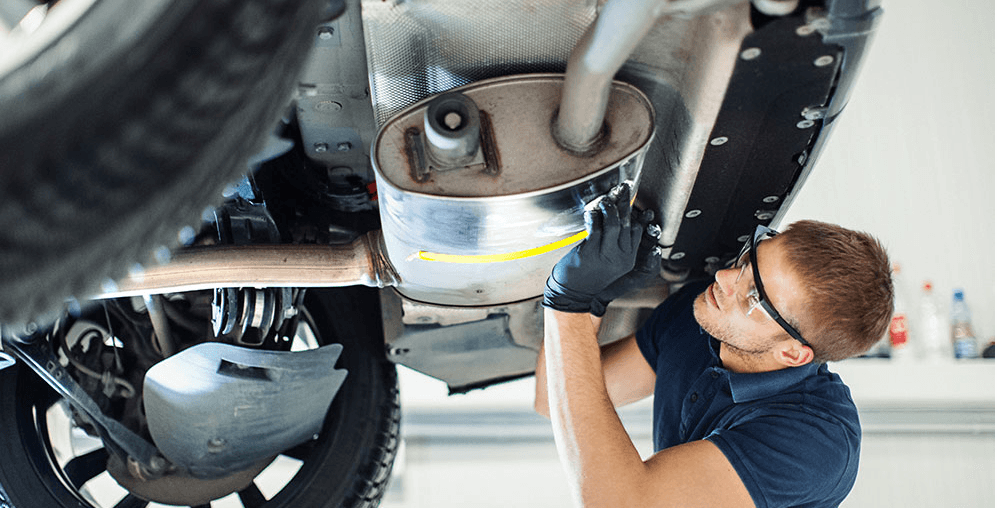
catalytic converter is an environmental protection device installed in a vehicle’s exhaust system. The core function of a catalytic converter is to convert toxic pollutants from the engine’s combustion process into less harmful substances through a chemical reaction. When internal combustion engines operate, they produce several harmful pollutant types, primarily carbon monoxide, unburned hydrocarbon, and nitrogen oxide. The catalytic converter is the key component responsible for treating this harmful gas. The introduction of catalytic converters was a landmark moment in automotive history.
The existence of different types of catalytic converters is a direct result of technological advancements, increasingly stringent regulations, and diverse market needs. Early vehicle emission control requirements were relatively simple, so the design of the catalytic converter was also basic. As environmental laws like the Clean Air Act were introduced and public concern over air pollution grew, it led to the development of more efficient catalytic converters. Every major automaker and parts manufacturer continuously poured resources into research to develop catalytic converters, leading to an evolution from two-way to three-way models, from original to aftermarket parts, and various installation types to meet the needs of different vehicles, regional laws, and consumer budgets.
How Did the Original Two-Way Catalytic Converters Work?
In the early stages of development of the catalytic converter, the two-way catalytic converter emerged, sometimes referred to as an oxidation catalytic converter. As its name implies, this “two-way converter” primarily addresses two major harmful pollutants: carbon monoxide and hydrocarbons. Its operation is based on the principle of oxidation, converting these two harmful gases into less damaging substances.
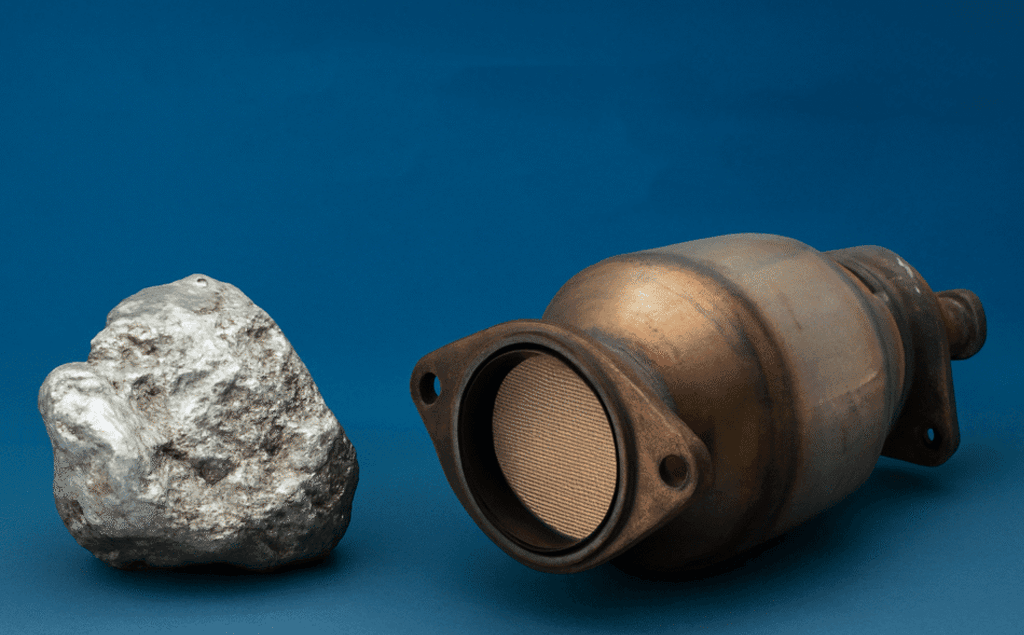
Inside the two-way catalytic converter, a catalyst coated with precious metals like platinum and palladium uses the high temperature of the exhaust to facilitate a reaction between carbon monoxide and oxygen, producing carbon dioxide. Simultaneously, it oxidizes the unburned hydrocarbon and carbon monoxide into carbon dioxide and water. While this was a significant advancement at the time, effectively reducing carbon monoxide emissions and hydrocarbon pollution, the two-way catalytic converter was powerless against nitrogen oxide. Consequently, as emission standards became stricter, it was gradually superseded by more advanced technology.
What Makes the Three-Way Catalytic Converter the Modern Standard?
The three-way catalytic converter is the standard for modern gasoline vehicles and represents a major leap in automotive emission control technology. Unlike its two-way predecessor, a three-way catalytic converter can simultaneously treat all three primary harmful pollutants. It achieves this by adding a reduction process to the oxidation functions of the two-way version. This means it not only converts carbon monoxide into carbon dioxide and hydrocarbon into carbon dioxide and water vapor, but it also reduces nitrogen oxide back into harmless nitrogen and oxygen.
This triple-action purification is made possible by a more complex catalyst formulation. In addition to the oxidation catalysts platinum and palladium, three-way converters incorporate rhodium as a reduction catalyst. The entire process involves two stages: first, the rhodium catalyst breaks down the nitrogen oxide, forcing it to release oxygen. Then, the platinum and palladium catalysts use this newly freed oxygen, along with any excess oxygen in the exhaust gases, to oxidize the carbon monoxide and hydrocarbons. For this reduction and oxidation process to work at peak efficiency, the engine’s air-to-fuel ratio must be precisely controlled. This is managed by an oxygen sensor that monitors the oxygen content in the exhaust and sends feedback to the engine control unit. Therefore, the three-way catalytic converter is an indispensable part of a modern vehicle’s sophisticated exhaust system.

What’s the Real Difference Between OEM and Aftermarket Catalytic Converters?
When you need to replace your catalytic converter, you’ll face two primary choices: OEM and aftermarket. An OEM (Original Equipment Manufacturer) catalytic converter is produced by your vehicle’s manufacturer or their authorized supplier. It is identical in every way to the part your car had when it left the factory. The biggest advantages of an OEM part are guaranteed quality and a perfect fit. They are designed specifically for your vehicle’s performance and emission requirements and contain a sufficient loading of precious metals to ensure stable, long-term control of vehicle emissions. However, this quality comes at a price, making the OEM catalytic converter the most expensive option.
An aftermarket catalytic converter, on the other hand, is produced by a third-party company as a replacement for the OEM part. Its primary appeal is a price tag that is often significantly lower than the OEM equivalent. However, quality can be inconsistent. To cut costs, some cheaper aftermarket catalytic converters may contain fewer of the valuable precious metals, which can lead to lower purification efficiency, a shorter lifespan, and may even trigger your “check engine light” soon after installation. That said, many reputable aftermarket brands produce high-quality converters are also available that meet or exceed the emissions requirements set by the US Environmental Protection Agency, offering excellent value.
For Easy Installation, Should I Choose a Direct-Fit Catalytic Converter?
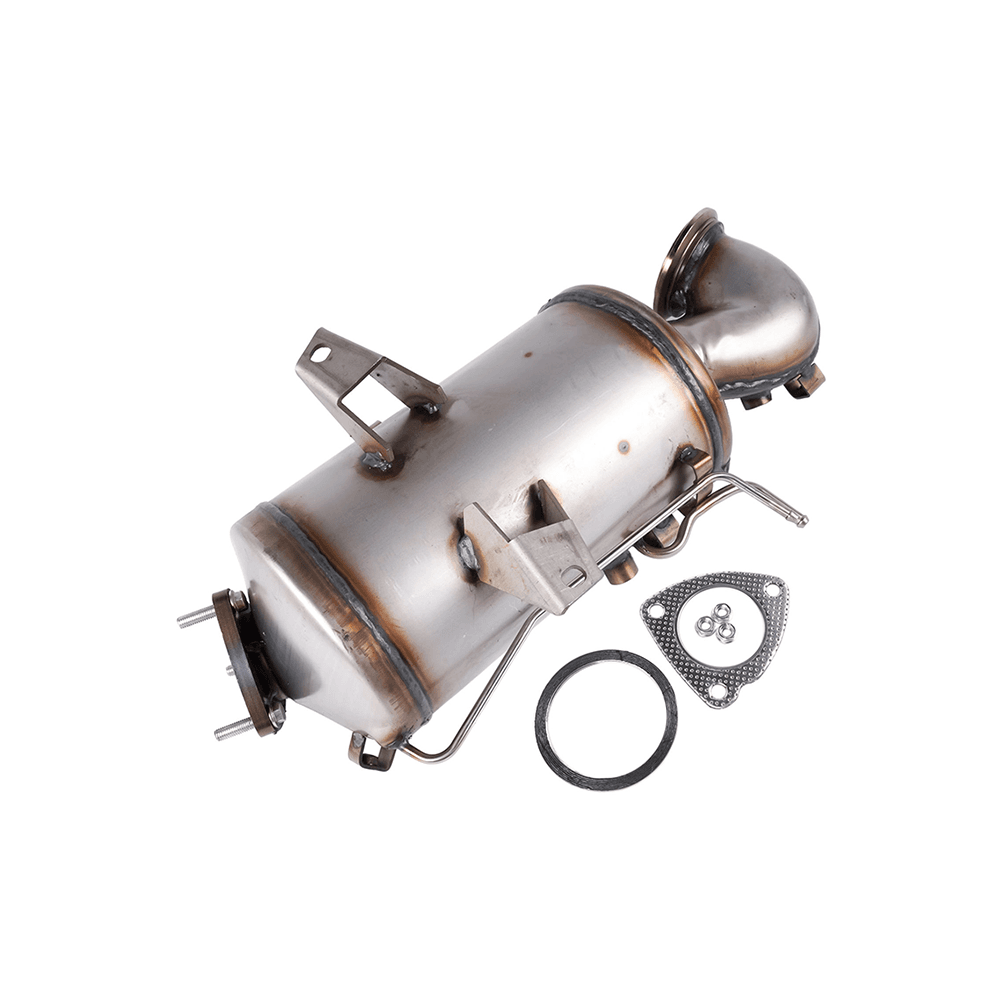
Within the aftermarket catalytic converter category, you will also need to decide between a direct-fit and a universal model. A direct-fit catalytic converter is engineered to be an exact match for the OEM part on a specific vehicle model, including all flanges, pipe bends, and mounting hangers. This means the installation process is simple and fast, typically requiring only basic tools to unbolt the old unit and bolt in the new one, with no cutting or welding necessary.
For most vehicle owners and any professional repair shop, the direct-fit catalytic converter is the preferred choice. It dramatically reduces the difficulty and time required for installation, which saves on labor costs. It also ensures a perfect seal and secure mounting, eliminating the risk of exhaust leaks that can result from improper welding. While a direct-fit catalytic converter itself may cost slightly more than a universal one, the convenience, reliability, and peace of mind it offers usually make it the more cost-effective and sensible option, especially for DIY enthusiasts or those who need a quick repair.
When is a Universal Catalytic Converter a Good Option?
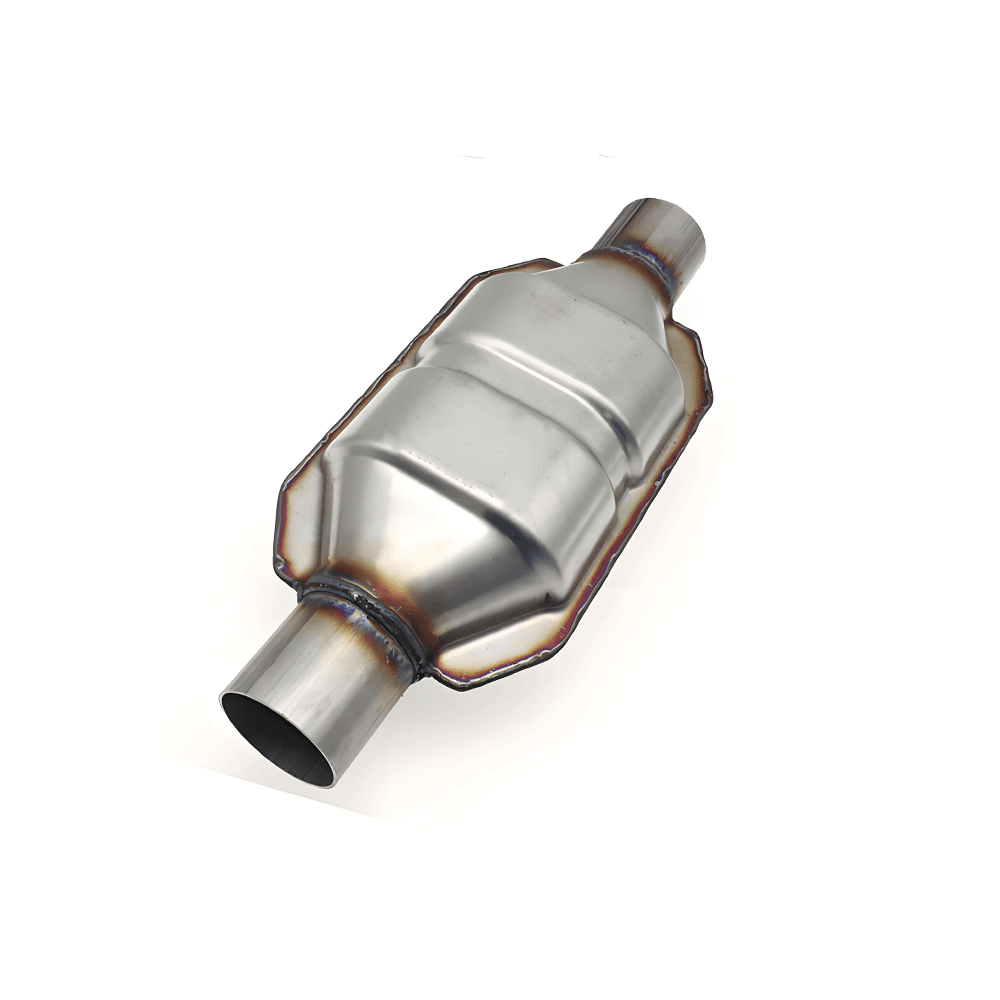
A universal catalytic converter is a standardized, non-vehicle-specific product. It typically consists of only the core of the catalytic converter, with straight inlet and outlet pipes. An installation technician must cut, position, and weld this unit into your vehicle’s existing exhaust system, tailoring it to fit the pipe diameter and layout. This flexibility allows it to be adapted to a wide range of vehicles, which is particularly useful for older or rarer models where a dedicated direct-fit part may no longer be available.
The main reason to choose a universal catalytic converter is its extremely low part cost; it is often the cheapest type of catalytic converter on the market. However, the savings on the part are often offset by increased labor costs. Installing a universal converter is a skilled job that heavily relies on the experience and craftsmanship of the technician. If the welding quality is poor, it can easily lead to exhaust leaks or improper alignment. Therefore, a universal catalytic converter is best suited for situations with a very tight budget where a skilled exhaust specialist is available, or for custom exhaust system modification projects.
How Do Emission Standards Impact My Choice of Converter?
Emission standards are a critical legal factor to consider when choosing a catalytic converter. In the United States, catalytic converters must comply with federal standards set by the Environmental Protection Agency (EPA). This means any aftermarket catalytic converter you purchase and install must be EPA-certified to ensure it has adequate emission control capabilities. Failure to do so can result in a failed inspection.
However, some states have established regulations that are even stricter than the federal baseline, most famously California. The standards set by the California Air Resources Board (CARB) are considered the toughest in the nation. Consequently, in California and other states that have adopted CARB standards (such as New York and Maine), you are legally required to install a CARB-compliant catalytic converter. These converters typically contain a higher load of precious metals to meet the lower emission limits and are therefore more expensive. Before making a purchase, you must verify whether the catalytic converter you choose (a federal catalytic converter or a CARB-compliant one) meets the legal requirements for your area.
Do Diesel Engines Use a Special Type of Converter?
Yes, the characteristics of diesel engine emissions are different from those of gasoline engines, so they are equipped with catalytic converters and after-treatment systems designed specifically for them. The primary pollutants in diesel exhaust, in addition to nitrogen oxide and carbon monoxide, include a high volume of particulate matter (soot). As a result, the diesel exhaust system is generally more complex.
The catalytic converter used in diesel vehicles is called a Diesel Oxidation Catalyst (DOC). Its function is similar to the oxidation catalysts in a gasoline vehicle’s converter, primarily converting carbon monoxide and hydrocarbons into carbon dioxide and water. However, to deal with particulate matter, diesel vehicles are also fitted with a Diesel Particulate Filter (DPF), which is located after the DOC to trap and burn off soot. Furthermore, to control the large amount of nitrogen oxide produced by diesel engines, many modern diesel vehicles are equipped with a Selective Catalytic Reduction (SCR) system, which injects a diesel exhaust fluid (like AdBlue) to neutralize the nitrogen oxide. Thus, diesel emission control is a multi-component system, not just a single catalytic converter.
Which Type of Converter Offers the Best Performance and Lifespan?
From a pure performance and longevity standpoint, the OEM catalytic converter is generally the best catalytic converter. The automaker invests significant research and development into designing OEM parts to work seamlessly with the engine management system and meet strict emission standards over the vehicle’s intended lifespan. The loading of valuable metals used as the catalyst is precisely calculated and tested to provide the most stable and efficient purification performance under all operating conditions. The durability of the housing and internal structure is also rigorously validated.
This does not mean all aftermarket products are inferior. Many top-tier aftermarket brands produce direct-fit catalytic converters that can rival OEM products in performance and longevity, sometimes even offering longer warranties. These high-quality aftermarket parts also use high-grade materials and a sufficient loading of precious metals, and they are manufactured to strict OEM specifications. In contrast, cheap universal or low-end aftermarket catalytic converters may cut corners on the amount of precious metal and material quality to reduce costs. This will directly impact their performance and lifespan, making them more likely to fail, damage the catalytic converter, and negatively affect vehicle performance.
How Do I Choose the Best Catalytic Converter for My Vehicle?
Choosing the best catalytic converter for your vehicle requires a balanced consideration of several factors. The first and most critical step is to identify the legal requirements in your area. Determine whether your state follows federal EPA standards or the stricter CARB standards, as this will immediately narrow down your options. This is non-negotiable, as installing the wrong part will result in a failed emission test.
The second step is to choose between OEM and aftermarket based on your budget and quality expectations. If you have the budget and want original-part quality, an OEM catalytic converter is a foolproof choice. If you’re looking for a balance between cost and quality, a direct-fit aftermarket catalytic converter from a reputable brand that is compliant with your local regulations is an ideal solution. It is always wise to read reviews from other owners and professional mechanics before buying.
Finally, consult with a trusted professional technician. They can provide expert advice based on your vehicle’s specific condition, year, and mileage. They are familiar with the reputations of various brands and can help you decide between the easy installation of a direct-fit model or the potentially more economical universal type in specific situations. By combining regulatory requirements, product quality, and professional advice, you can make the smartest and most suitable choice for your car, ensuring it runs clean for years to come and reducing the risk of theft by keeping your vehicle in top working order.
Key Things to Remember:
- Variety of Types: The evolution of the catalytic converter was driven by escalating emission regulations and diverse market demands.
- Three-Way is Standard: Modern gasoline cars use a three-way catalytic converter to treat carbon monoxide, hydrocarbons, and nitrogen oxides simultaneously.
- OEM vs. Aftermarket: OEM parts offer original quality and a perfect fit at a high price; high-quality aftermarket parts are a cost-effective alternative.
- Direct-Fit vs. Universal: Direct-fit is easy to install and the preferred choice for most situations; universal parts are cheaper but require custom welding and more labor.
- Regulations are Mandatory: You must confirm that the catalytic converter complies with your state’s emission standards (EPA or CARB) before purchasing.
- Diesel Systems are Different: Diesel vehicles use a complex system including a DOC and DPF to control emissions, which differs from gasoline systems.
- Quality Dictates Lifespan: Regardless of the type, the amount of precious metal in the catalyst and the manufacturing quality are key to its performance and longevity.