Giới thiệu
With global automotive trends favoring cleaner emissions and resource sustainability, catalytic converter recycling has become a vital driver of the precious metal recovery market.Many people view a used bộ chuyển đổi xúc tác ba chiều as automotive waste. However, recyclers see something entirely different. They see a valuable source of platinum, palladium, and rhodium.
Years of driving do not remove all of the precious metals from a catalytic converter.When we send these valuable materials to purpose-built recycling facilities, we give them a second life — re-refining them to be integrated into all-new industrial products.On top of cutting how much we rely on mining, this actually makes a real difference for environmental sustainability.
Driven by the surging demand for PGMs, catalytic converter recycling is now a major pillar of the circular economy.
Bộ chuyển đổi xúc tác ba chiều là gì?
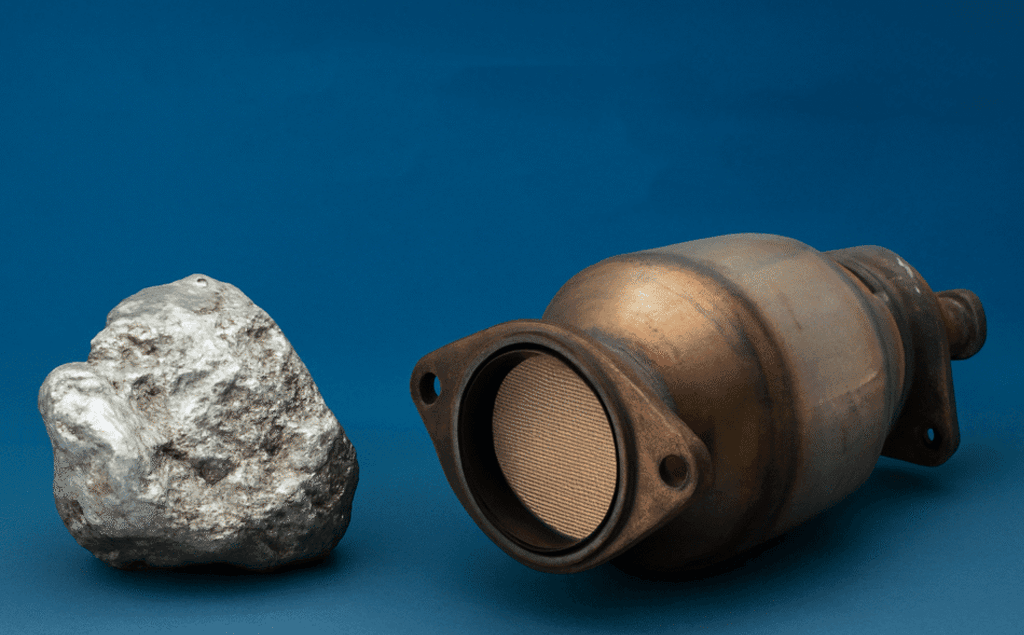
MỘT bộ chuyển đổi xúc tác ba chiều is an emissions control device installed in the exhaust system of gasoline-powered vehicles. What it does is break down harmful pollutants into far less dangerous gases — right before they leave the exhaust pipe.
The term “three way” refers to three simultaneous chemical reactions:
- Giảm oxit nitơ (NOx)
- Quá trình oxy hóa cacbon monoxit (CO)
- Oxidation of unburned hydrocarbons (HC)
They coat platinum, palladium and rhodium onto a ceramic or metal core to make the catalytic process work. Without these precious metals, bộ chuyển đổi xúc tác ba chiều just can’t reduce emissions properly.

Why Catalytic Converter Recycling Matters
Mining platinum-group metals drains massive amounts of energy, labor, and our planet’s natural resources. Recovering them from used catalytic converters isn’t just an option — it’s the smarter, more sustainable choice. Benefits include:
- Reducing mining activity
- Conserving natural resources
- Lowering carbon emissions
- Supporting circular manufacturing
- Preventing valuable metals from entering landfills
A spent catalytic converter might only yield a few grams of precious metals, but don’t be fooled—those few grams command serious money on the market.
Precious Metals Found Inside Catalytic Converters
| Kim loại | Chức năng chính | Relative Value |
|---|---|---|
| Bạch kim | Oxidation catalyst | Cao |
| Paladi | Emission control catalyst | Cao |
| Rhodium | NOx reduction catalyst | Very High |
These metals form the foundation of catalytic converter recycling economics.
Step 1: Collection and Identification
The recycling journey begins with collection.
Sources commonly include:
- Automotive repair shops
- Vehicle dismantlers
- Nhà điều hành đội tàu
- Scrap yards
- Industrial recyclers
Each catalytic converter must be identified before processing. Different vehicle models contain different amounts of platinum group metals.
Accurate identification helps estimate catalytic converter scrap price and potential recovery value.
Step 2: Decanning and Material Extraction
After collection, technicians remove the external steel shell.
This process is known as decanning.
The goal is to access the internal substrate containing precious metals.
The substrate may be:
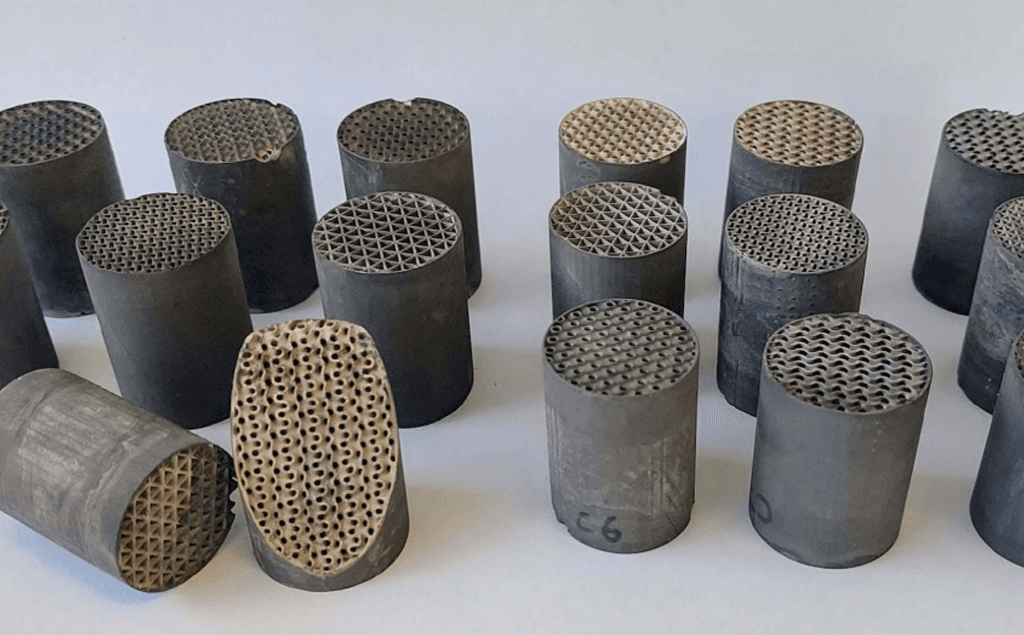
- Ceramic honeycomb
- Metallic foil structure
Although the shell itself has scrap value, the substrate contains the majority of recoverable precious metals.
Step 3: Crushing and Homogenization
Next, recyclers crush the substrate into a fine powder.
Why is this necessary?
The heavy toll of mining PGMs—in energy, manpower, and natural resources—makes recovering them from scrap catalytic converters the only logical, sustainable choice. This step significantly improves recovery accuracy.
Step 4: Sampling and Laboratory Analysis
Laboratory analysis determines how much platinum, palladium, and rhodium exist within the material.
Modern facilities use advanced technologies such as:
- XRF analysis
- ICP testing
- Fire assay methods
These tests directly influence used catalytic converter prices and settlement values.
Without accurate analysis, sellers may receive less than the actual value of their catalytic converter scrap.
Understanding Platinum Recovery
Platinum recovery remains one of the most important objectives in catalytic converter recycling.
Platinum offers several advantages:
- Excellent corrosion resistance
- High thermal stability
- Outstanding catalytic performance
By dialing in the mix of chemistry and metallurgy, refineries manage to pull pure platinum straight out of complex raw feed. Recovered platinum returns to industries such as:
- Automotive manufacturing
- Electronics
- Chemical processing
- Hydrogen technology
Interestingly, recycled platinum generally requires far less energy than newly mined platinum.
How Palladium Recovery Creates Market Value
Over the last decade, palladium demand has increased dramatically.
Gasoline vehicles rely heavily on palladium-based catalysts to meet modern emissions regulations.
Through palladium recovery, recyclers can reclaim this valuable metal and reintroduce it into manufacturing.
Applications include:
- Automotive catalysts
- Electronics
- Dental materials
- Chemical catalysts
Because recovered palladium performs identically to newly mined material, recycling remains a highly efficient source of supply.
Why Rhodium Recovery Is So Important
Among all platinum group metals, rhodium often attracts the greatest attention.
Several factors contribute to its value:
- Extremely limited natural supply
- Strong industrial demand
- Outstanding NOx reduction capability
Although a bộ chuyển đổi xúc tác ba chiều contains only small amounts of rhodium, those quantities can significantly influence catalytic converter scrap value.
Even minor changes in rhodium market prices can dramatically affect catalytic converter scrap price calculations.
Step 5: Precious Metal Refining and Separation
Once testing is complete, refiners begin the metal extraction process.
The refining stage generally involves:
- Chemical dissolution
- Metal separation
- Purification
- Quality verification
The result is highly refined platinum, palladium, and rhodium suitable for industrial reuse.
Many recovered metals achieve purity levels comparable to newly mined materials.
Factors Affecting Catalytic Converter Scrap Price
Catalytic converter scrap price is influenced by several variables.Many vehicle owners also compare scrap value with chi phí thay thế bộ chuyển đổi xúc tác before deciding whether to recycle or replace a unit.
Precious Metal Content
Converters with higher platinum, palladium, and rhodium loading generally command higher prices.
Vehicle Manufacturer
Converters from different vehicle brands contain varying catalyst formulations.
Loại bộ chuyển đổi
Bộ chuyển đổi xúc tác OEM often contain higher precious metal concentrations than aftermarket units.
Market Metal Prices
Daily fluctuations in platinum, palladium, and rhodium markets directly impact converter values.
Physical Condition
Intact converters usually provide better value than damaged units.
Common Misconceptions About Used Catalytic Converter Prices
Many sellers misunderstand catalytic converter valuation.
Myth 1: Heavier Means More Valuable
Weight alone cannot determine precious metal content.
Myth 2: All Converters Have Similar Value
Different vehicle models may contain dramatically different metal loadings.
Myth 3: Appearance Indicates Worth
External condition reveals very little about actual precious metal content.
Professional testing remains the only reliable valuation method.
The Growing Role of Data-Driven Pricing
Modern recycling increasingly relies on technology.
Advanced pricing systems now provide:
- Model-based valuation
- Real-time market updates
- Transparent settlements
- Improved seller confidence
These innovations help establish fair and accurate used catalytic converter prices.
Why Southeast Asia Is Becoming a Key Recycling Market
Southeast Asia continues to maintain a large population of internal combustion engine vehicles.
Countries such as:
- Singapore
- Malaysia
- Thái Lan
- Vietnam
- Indonesia
will continue generating catalytic converter scrap for many years.
Rising vehicle numbers mean local sustainability now hinges on how well we recycle catalytic converters.
Electric Vehicles and the Future of Catalytic Converter Recycling
Many people wonder whether electric vehicles will eliminate catalytic converater recycling.
The answer is no—at least not anytime soon.
Several reasons support continued industry growth:
Long Vehicle Lifecycles
Millions of gasoline-powered vehicles remain on the road.
Hybrid Vehicle Growth
Hybrid vehicles still require catalytic converters.
Rising Precious Metal Demand
Platinum group metals support:
- Hydrogen fuel cells
- Green energy systems
- Industrial catalysts
- Advanced electronics
These industries continue driving long-term demand.
Best Practices for Maximizing Catalytic Converter Value
To achieve the highest returns:
- Work with reputable recyclers
- Use transparent testing methods
- Verify laboratory analysis
- Monitor precious metal markets
- Compare multiple offers
- Prioritize long-term recycling partners
These strategies help maximize catalytic converter scrap value.
Future Trends in Precious Metal Recovery
Several trends will shape the future of catalytic converter recycling:
| Trend | Industry Impact |
|---|---|
| Increased Recycling Rates | Greater metal supply |
| Advanced Refining Technology | Higher recovery efficiency |
| Growing PGM Demand | Stronger market values |
| Circular Economy Policies | Increased recycling incentives |
| Hybrid Vehicle Adoption | Continued converter demand |
Hiện đại hệ thống kiểm soát khí thải continue to rely on advanced catalyst monitoring technologies.These developments reinforce the strategic importance of catalytic converter recycling worldwide.
Frequently Asked Questions
What is catalytic converter recycling?
It is the process of recovering platinum, palladium, and rhodium from used catalytic converters.
Why is a three way catalytic converter valuable?
Because it contains precious metals used to control harmful vehicle emissions.
What metals are recovered?
The primary metals are platinum, palladium, and rhodium.
Does EV adoption eliminate recycling demand?
No. Internal combustion and hybrid vehicles will continue generating recyclable converters for many years.
Can recovered metals be reused?
Yes. Recovered metals can be reused repeatedly without losing performance.
How is catalytic converter scrap price determined?
Metal content, converter type, market conditions, and laboratory analysis all influence value.
Are all catalytic converters worth recycling?
Most converters contain recoverable precious metals and should be evaluated before disposal.
Why is rhodium so expensive?
Rhodium is rare and highly effective at reducing nitrogen oxide emissions.
Phần kết luận
Every catalytic converter bound for the scrap heap actually guards a wealth of precious metals—ready to be reclaimed as premium industrial resources. They’re not just going to power the future of manufacturing—they’ll also cut down our need for destructive mining.
Efficient platinum, palladium and rhodium recovery by recyclers directly drives the development of a greener, more sustainable supply chain for industrial-critical materials.Stricter green laws mean higher demand for platinum group metals. Moving forward, recycling won’t just be an option—it’ll drive the global economy.
Whether you’re running a repair shop, managing a fleet, or dealing in scrap, it’s time to find out what your spent catalytic converters are actually worth.The future belongs to transparent, data-driven, and environmentally responsible catalytic converter recycling.