Introduction
L'industrie automobile est confrontée à une transition cruciale vers des carburants durables. Parmi ceux-ci, l'E85 se distingue comme un biocarburant de choix. L'E85 est un mélange de 85 % d'éthanol et de 15 % d'essence. Les conducteurs et les gestionnaires de flottes s'interrogent sur l'impact de ce mélange à forte teneur en éthanol sur le pot catalytique à long terme, et notamment sur son éventuelle réduction de sa durée de vie. Si l'E85 présente des avantages chimiques indéniables, son interaction avec le système d'échappement dépend fortement du réglage du moteur.
Cet article examine la relation entre la combustion de l'E85 et la durabilité physique du convertisseur catalytique à trois voiesNous explorons les raisons pour lesquelles ce biocarburant prolonge souvent la durée de vie des composants internes par rapport au pétrole standard.

Températures de combustion plus basses et protection thermique
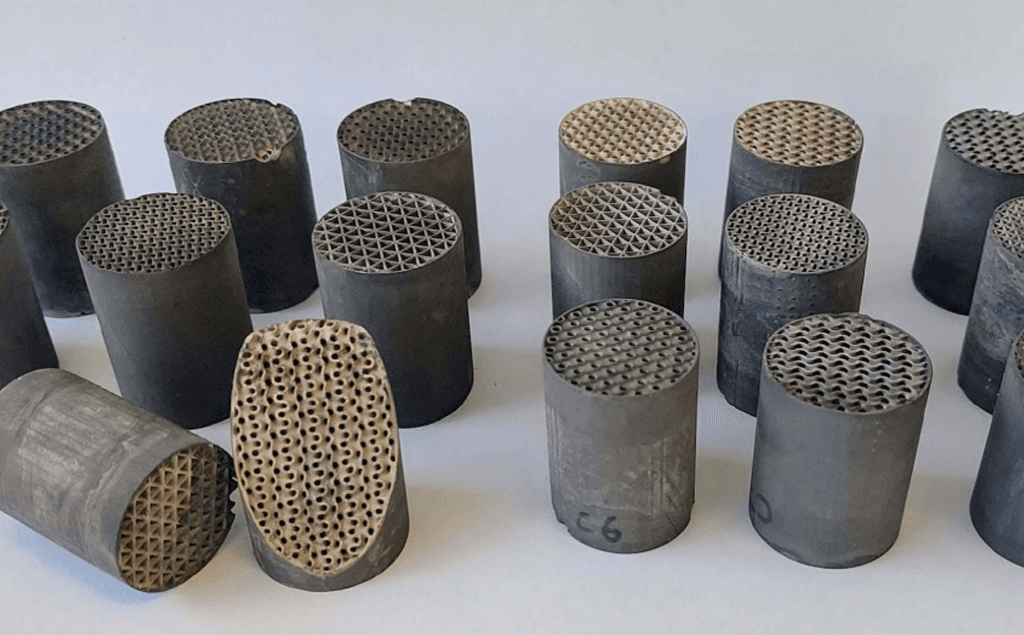
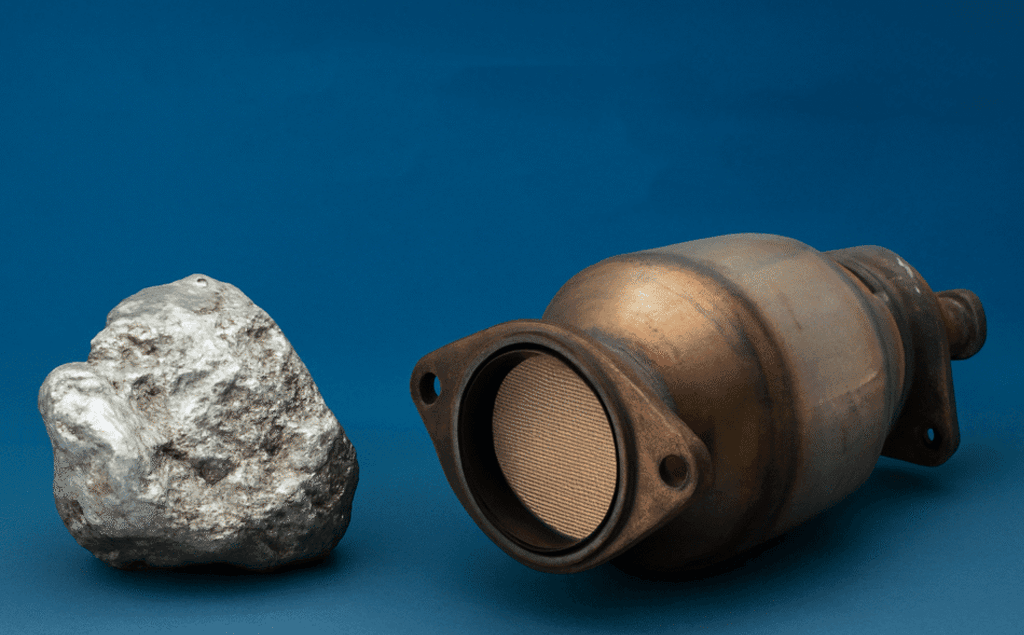
Le convertisseur catalytique à trois voies Son fonctionnement repose sur une structure interne délicate. Les températures élevées des gaz d'échappement provoquent généralement un frittage. Ce phénomène se produit lorsque la chaleur extrême fait fondre les particules microscopiques de métal précieux présentes sur la couche de support. Une fois ces particules agglomérées, le catalyseur perd de sa surface active.
L'E85 apporte une solution naturelle à ce problème. L'éthanol possède une chaleur latente de vaporisation supérieure à celle de l'essence. Ce carburant absorbe davantage de chaleur lors de la phase d'admission. Par conséquent, le moteur produit des gaz d'échappement plus froids. En réduisant la charge thermique, l'E85 diminue le vieillissement thermique. convertisseur catalytique à trois voies L'efficacité reste maintenue plus longtemps. Les métaux précieux demeurent dispersés. Un refroidissement actif, assuré par la chimie du carburant, protège directement la structure alvéolaire contre les défaillances.
Pureté chimique et réduction des intoxications
L’« empoisonnement » chimique est une cause majeure de défaillance prématurée dans un convertisseur catalytique à trois voiesL'essence traditionnelle contient souvent des traces de soufre. Avec le temps, des dépôts de soufre recouvrent les sites actifs du catalyseur. Ce revêtement empêche la conversion des NOx, du CO et des HC.
Les biocarburants comme l'E85 contiennent des niveaux de soufre nettement inférieurs. L'utilisation de l'E85 minimise la contamination chimique de la couche de lavage. Cette combustion plus propre garantit que convertisseur catalytique à trois voies L'E85 conserve son activité chimique. De plus, il réduit le volume total de polluants bruts entrant dans le collecteur d'échappement. Lorsque le moteur produit moins d'émissions, le catalyseur est moins sollicité. Cette réduction de la charge de travail préserve l'intégrité des composants de stockage d'oxygène du catalyseur.
Comparaison stratégique des matériaux : E85 vs. essence standard
Le tableau suivant compare les profils d'émission et les effets thermiques de différents types de carburants.
| Fonctionnalité | Essence standard (E10) | Biocarburant (E85) | Impact on Three Way Catalytic Converter |
|---|---|---|---|
| Température des gaz d'échappement | Plus élevé (800 °C+) | Inférieur (700°C – 750°C) | L'E85 réduit les contraintes thermiques et le frittage. |
| teneur en soufre | Modéré | Very Low | L'E85 prévient l'empoisonnement chimique des métaux du groupe du platine. |
| Production de NOx | Ligne de base | Inférieur | L'E85 réduit la charge de travail liée à la réduction des émissions. |
| Émissions au démarrage à froid | Inférieur | Plus élevé (acétaldéhyde) | L'E85 nécessite une efficacité d'allumage plus rapide. |
| Stabilité des PGM | Vieillissement standard | Stabilité étendue | L'E85 préserve la surface de la couche de lavage. |
Le défi de la conversion de l'acétaldéhyde
Bien que l'E85 brûle plus proprement à bien des égards, il crée des sous-produits chimiques spécifiques. La combustion de l'éthanol produit souvent des niveaux plus élevés d'acétaldéhyde. convertisseur catalytique à trois voies Ces aldéhydes doivent être traités par oxydation.
Dans des conditions optimales, les métaux précieux neutralisent efficacement l'acétaldéhyde, le transformant en eau et en dioxyde de carbone inoffensifs. Cependant, un catalyseur déjà dégradé peut laisser passer ces aldéhydes par le pot d'échappement. Ceci souligne l'importance d'utiliser un catalyseur de haute qualité. convertisseur catalytique à trois voiesLes cuves à fluide de refroidissement modernes sont dotées de revêtements spécifiques qui permettent une dégradation rapide de ces composés organiques. La forte concentration en métaux précieux garantit une conversion complète, même en fonctionnement à pleine charge.
Synergie entre les systèmes flex-fuel et la durée de vie catalytique
Les véhicules à carburant modulable (FFV) constituent le terrain idéal pour l'utilisation de l'E85. Ces véhicules sont équipés de capteurs qui détectent le pourcentage d'éthanol dans le carburant. Le calculateur moteur (ECU) ajuste ensuite l'injection et l'allumage.
Cette synchronisation garantit un rapport air-carburant optimal. Un rapport optimal est vital pour le convertisseur catalytique à trois voiesLorsque le moteur fonctionne au point stœchiométrique, le catalyseur oxyde et réduit simultanément les polluants. Des études montrent que les véhicules à moteur thermique fonctionnant à l'E85 ne subissent pas de dégradation accélérée. En fait, le fonctionnement à une température plus basse entraîne souvent une réduction de la dégradation. convertisseur catalytique à trois voies qui reste en excellent état après 160 000 kilomètres.
Risques liés aux systèmes de moteurs non compatibles
Le principal danger pour le convertisseur catalytique à trois voies Ce problème survient sur les moteurs non compatibles avec le carburant E85. Les moteurs standards ne supportent pas la forte teneur en oxygène de l'éthanol. Le moteur peut alors fonctionner avec un mélange pauvre, ce qui provoque une surchauffe.
Une combustion incomplète provoque des ratés d'allumage. Lorsqu'un moteur rate un allumage, du carburant E85 non brûlé pénètre dans le système d'admission. convertisseur catalytique à trois voiesLe carburant s'enflamme alors à l'intérieur de la structure en nid d'abeille du catalyseur. Cela provoque une fusion du catalyseur, la température interne dépassant alors 1200 °C. Par conséquent, le risque pour le convertisseur catalytique à trois voies Ce n'est pas l'E85 en lui-même qui pose problème. Le risque réside dans l'inadéquation entre le type de carburant et la gestion moteur.
Technologies de revêtement avancées pour les biocarburants
Les fabricants développent désormais des solutions spécifiques convertisseur catalytique à trois voies Des conceptions destinées aux marchés à forte teneur en éthanol. Ces conceptions présentent souvent une capacité de stockage d'oxygène (CSO) améliorée.
- Stabilisateurs en zircone-cériaCes matériaux aident le catalyseur à maintenir les niveaux d'oxygène lors des fluctuations de la combustion de l'E85.
- PGM à haute dispersionDe nouvelles techniques de revêtement permettent de garantir que le platine et le rhodium restent séparés sous contrainte.
- Cartouches résistantes à la corrosionPour lutter contre les propriétés corrosives de l'éthanol, les fabricants ont opté pour de l'acier inoxydable de haute qualité 409 ou 304 pour le boîtier.
Conclusion
Le biocarburant E85 offre un avantage net pour convertisseur catalytique à trois voies Sa durabilité est un atout. Sa capacité à abaisser les températures des gaz d'échappement empêche le frittage du catalyseur. L'environnement à faible teneur en soufre prévient également la contamination chimique. Bien qu'il génère des niveaux plus élevés d'acétaldéhyde, il offre une robustesse accrue. convertisseur catalytique à trois voies Il gère cela sans problème. Pour les utilisateurs de la technologie Flex-Fuel compatible, l'E85 protège le système d'échappement. En définitive, le choix du catalyseur adéquat et un réglage moteur optimal restent les moyens les plus efficaces de prolonger la durée de vie des composants d'échappement.