Введение
Автомобильная промышленность предъявляет требования как к мощности, так и к чистоте. В основе этих требований лежит... трехкомпонентный каталитический нейтрализатор (TWC)Этот важнейший компонент не только соответствует законодательным стандартам, но и позволяет за считанные секунды осуществлять сложные химические превращения. Для поставщиков B2B и экспортеров технической продукции он представляет собой нечто особенное. ТВЦ Это представляет собой ценное сочетание материаловедения и машиностроения. В данном руководстве подробно рассматриваются основные принципы механики, роль драгоценных металлов и последние достижения в технологии фильтрации.
The Internal Logic of a Three-Way Catalytic Converter
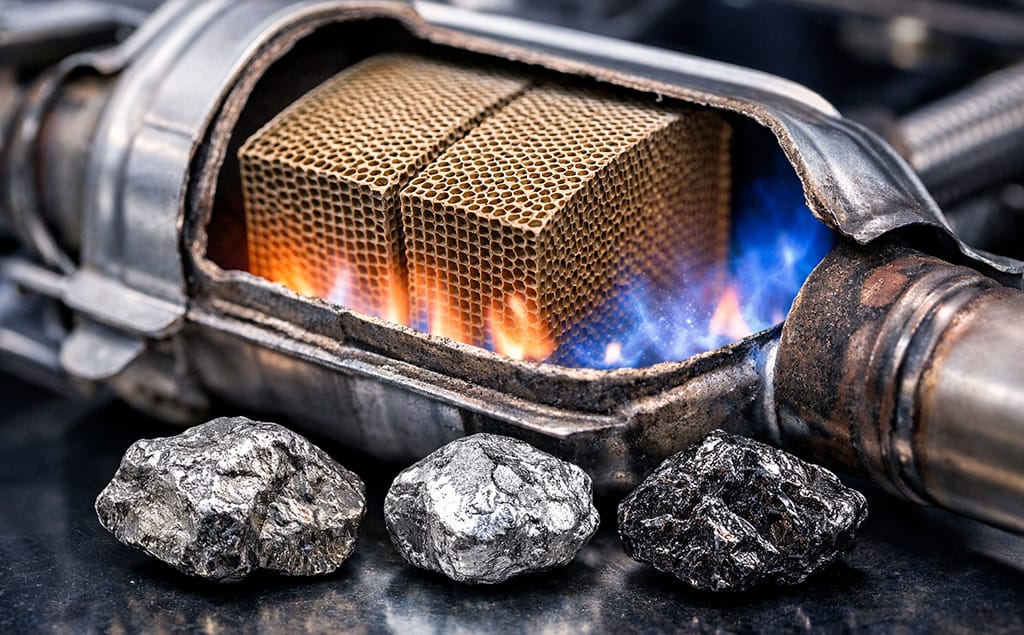
А трехкомпонентный каталитический нейтрализатор Он функционирует как высокотемпературный реактор. Он очищает выхлопные газы, одновременно воздействуя на три конкретных токсичных газа. Инженеры называют его «трехсторонним», потому что он запускает различные химические реакции для трех разных загрязняющих веществ.
Во-первых, устройство обрабатывает оксиды азота (NOx). Восстановительный катализатор отводит кислород от азота, выделяя безвредный газ N₂. Во-вторых, устройство воздействует на оксид углерода (CO). Путем окисления оно добавляет кислород, превращая этот токсин в стабильный диоксид углерода (CO₂). Наконец, оно окисляет несгоревшие углеводороды (УВ), превращая остатки сырого топлива в водяной пар и CO₂.
Успех полностью зависит от соотношения воздуха и топлива. Система управления двигателем должна обеспечивать «стехиометрическое» соотношение — примерно 14,7 частей воздуха к 1 части топлива. Без этой точности двигатель не сможет работать. трехкомпонентный каталитический нейтрализатор не может достичь максимальной эффективности конверсии в 99%.
Core Components: Honeycombs and Precious Metals
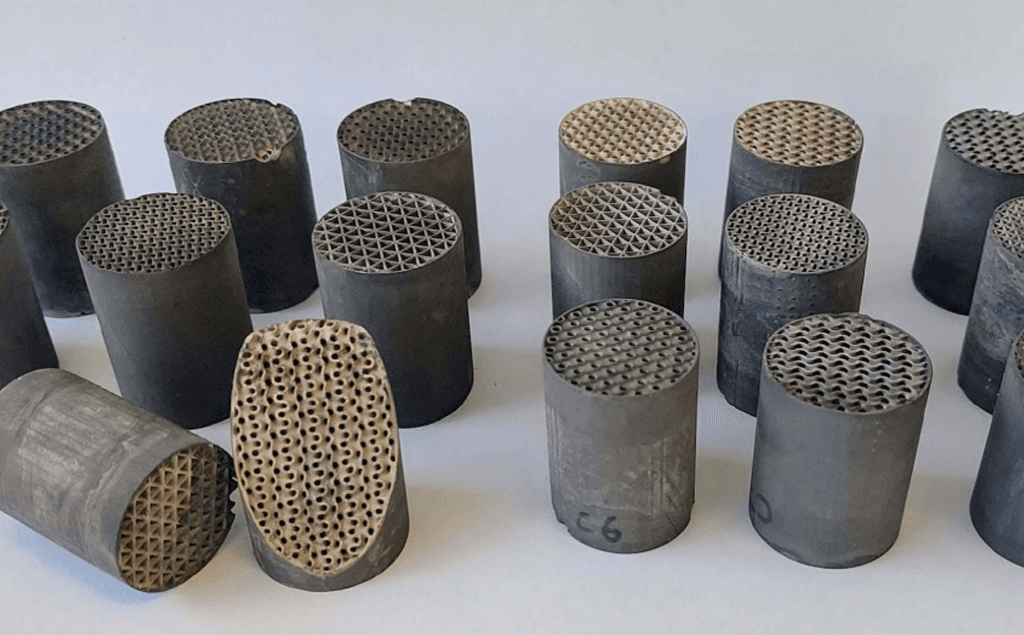
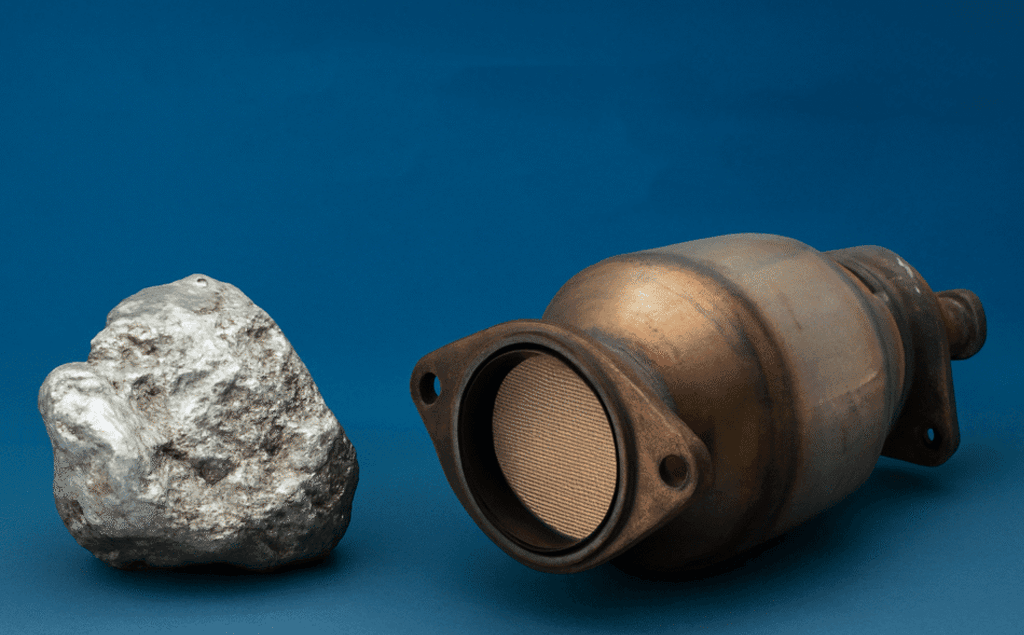
Качество сборки трехкомпонентный каталитический нейтрализатор определяет срок его службы. Внутри корпуса из нержавеющей стали находится керамический сотовый монолит. Эта конструкция обеспечивает огромную площадь поверхности, необходимую для высокоскоростного контакта с газом.
Производители наносят на эту сотовую структуру специальное покрытие. Это покрытие содержит платиновые металлы (PGM), которые определяют химический состав.
| Компонент | Химическая задача | Значение отрасли |
|---|---|---|
| Родий (Rh) | Снижение $NO_x$ | Крайне важно для соблюдения норм по контролю за уровнем выбросов смога. |
| Палладий (Pd) | Окисление CO/HC | Высокая термостойкость для работы на высоких оборотах. |
| Платина (Pt) | Низкотемпературное окисление | Крайне важен для эффективности "холодного пуска". |
Для покупателей в сегменте B2B приоритетом является «насыщение» этими металлами. Более высокое содержание платиновых металлов, как правило, обеспечивает более длительный срок службы и лучшую устойчивость к «отравлению» низкокачественным топливом.
Innovation in Filtration: The Three-Way Filter (TWF)
Современные бензиновые двигатели с непосредственным впрыском (GDI) сталкиваются с новой проблемой: сажей. В то время как стандартный трехкомпонентный каталитический нейтрализатор справляется с отводом газов, он пропускает мелкие частицы. Этот пробел привел к разработке... Трехсторонний фильтр (TWF).
В конструкции TWF используется принцип «пропускания через стенки». В отличие от открытых каналов стандартного каталитического нейтрализатора с двухсторонним потоком (TWC), TWF пропускает выхлопные газы через пористые керамические стенки. Этот физический барьер задерживает 95% твердых частиц. Поскольку стенки имеют такое же каталитическое покрытие, как и у TWC, устройство очищает газы и сажу за один этап. Для экспортеров, ориентированных на европейский или североамериканский рынки, технология TWF теперь является критически важным элементом ассортимента.
Expert Insight: Enhancing Durability and Compliance
С 1974 года каталитические технологии прошли путь от простых фильтров до высокоточных приборов. Такие лидеры, как Johnson Matthey, теперь сосредотачиваются на скорости «зажигания». Современные каталитические нейтрализаторы должны начинать работу в течение нескольких секунд после зажигания, чтобы предотвратить утечку загрязняющих веществ.
Сегодня каждый третий автомобиль в мире использует эти передовые катализаторы. Такие масштабы предотвращают выброс примерно 40 тонн загрязняющих веществ каждую минуту. Для сектора B2B основное внимание по-прежнему уделяется характеристикам, эквивалентным оригинальным. Профессиональные покупатели ищут катализаторы, которые соответствуют спецификациям оригинального оборудования как по плотности ячеек (CPSI), так и по распределению платиновых металлов.
Заключение
The трехкомпонентный каталитический нейтрализатор Катализатор остается последней линией обороны в современном процессе сгорания. Его способность нейтрализовать NO, CO и HC с помощью одного компактного блока — это триумф инженерной мысли. По мере ужесточения глобальных норм выбросов, таких как Евро-6, спрос на высокоэффективные катализаторы и технологию TWF будет только расти. Профессиональные экспортеры должны понимать эти технические основы, чтобы обеспечить надежность, необходимую глобальным автопаркам и ремонтным сетям.