giriiş
Otomotiv endüstrisi hem güç hem de saflık talep eder. Bu gereksinimin merkezinde ise şu unsur yer almaktadır: üç yollu katalitik konvertör (TWC)Bu temel bileşen, yasal standartları karşılamaktan daha fazlasını yapar; karmaşık kimyasal dönüşümleri saniyeler içinde yönetir. B2B tedarikçileri ve teknik ihracatçılar için, TWC Bu kılavuz, malzeme bilimi ve makine mühendisliğinin yüksek değerli bir kesişim noktasını temsil etmektedir. Temel mekaniği, değerli metallerin rolünü ve filtrasyon teknolojisindeki son gelişmeleri ayrıntılı olarak ele almaktadır.
Üç Yönlü Katalitik Konvertörün İç Mantığı
A üç yollu katalitik konvertör Yüksek sıcaklık reaktörü gibi çalışır. Üç farklı zehirli gazı aynı anda hedef alarak egzoz gazını temizler. Mühendisler buna "üç yollu" diyor çünkü üç farklı kirletici madde için ayrı kimyasal reaksiyonları tetikliyor.
Öncelikle, cihaz Azot Oksitleri (NOx) işler. İndirgeme katalizörü, azottan oksijeni uzaklaştırarak zararsız N2 gazı açığa çıkarır. İkinci olarak, ünite Karbon Monoksiti (CO) hedef alır. Oksidasyon yoluyla, bu toksini kararlı Karbondioksite (CO2) dönüştürmek için oksijen ekler. Son olarak, yanmamış Hidrokarbonları (HC) oksitleyerek ham yakıt kalıntısını su buharı ve CO2'ye dönüştürür.
Başarı tamamen hava-yakıt oranına bağlıdır. Motor yönetim sistemi "stoikiyometrik" noktayı, yani yaklaşık 14,7 kısım hava ve 1 kısım yakıt oranını tutturmalıdır. Bu hassasiyet olmadan, üç yollu katalitik konvertör 'luk azami dönüşüm verimliliğine ulaşamaz.
Temel Bileşenler: Petek Yapılar ve Değerli Metaller
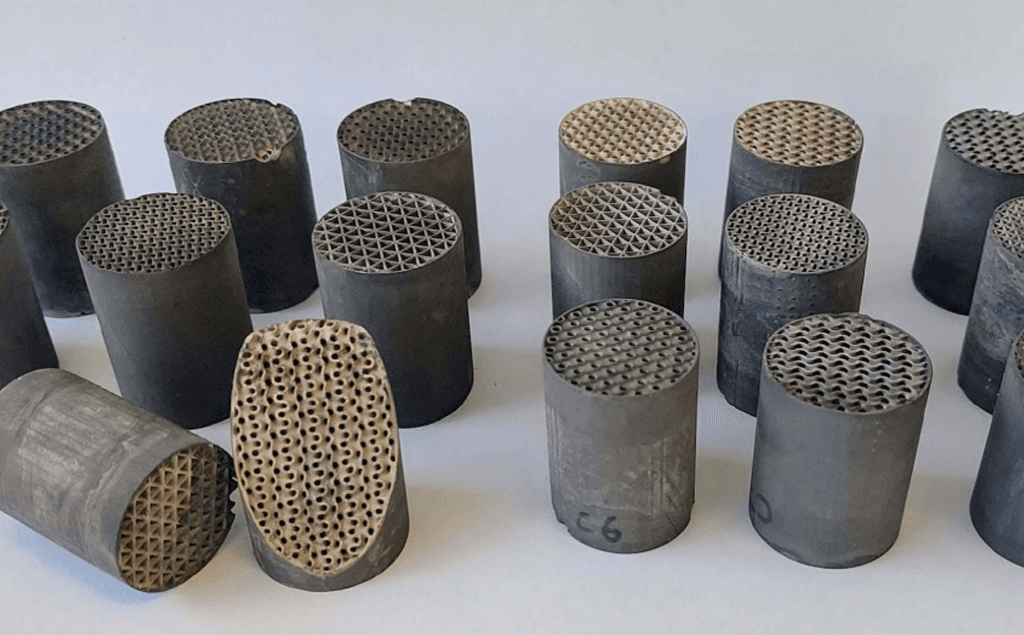
Bir ürünün yapım kalitesi üç yollu katalitik konvertör Bu, kullanım ömrünü belirler. Paslanmaz çelik gövdenin içinde seramik petek yapılı bir monolit bulunur. Bu yapı, yüksek hızlı gaz teması için gerekli olan geniş yüzey alanını sağlar.
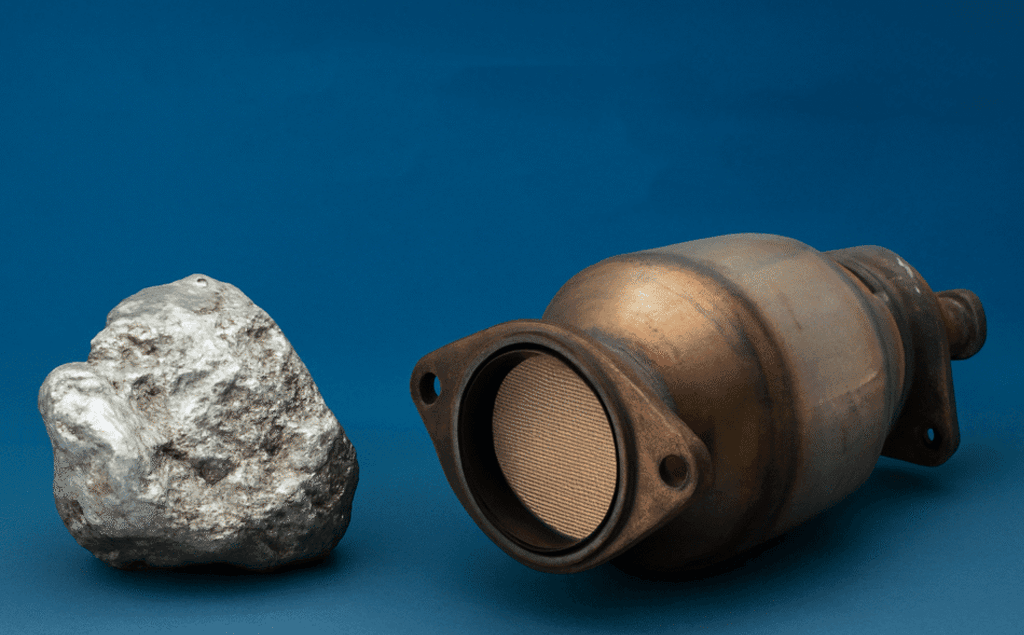
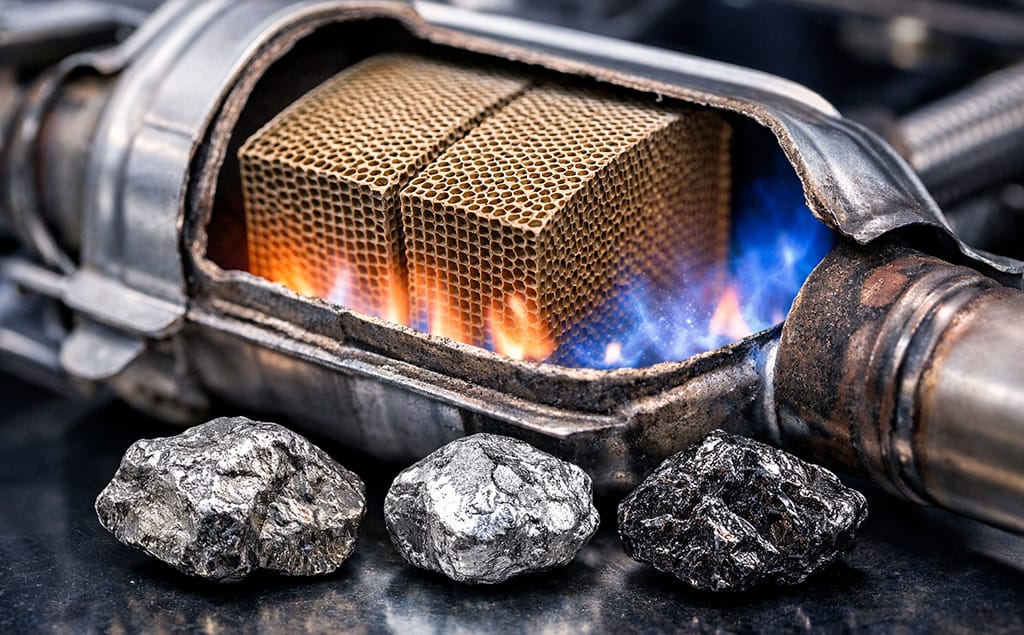
Üreticiler bu petek yapısına özel bir kaplama uygularlar. Bu kaplama, kimyasal reaksiyonu yönlendiren Platin Grubu Metalleri (PGM) içerir.
| Bileşen | Kimyasal Görev | Sektörün Önemi |
|---|---|---|
| Rodyum (Rh) | $NO_x$ İndirimi | Hava kirliliği yönetmeliklerine uyum için hayati öneme sahip. |
| Paladyum (Pd) | CO/HC Oksidasyonu | Yüksek devirli sürüş için yüksek ısı direnci |
| Platin (Pt) | Düşük Sıcaklıkta Oksidasyon | Soğuk çalıştırma verimliliği için hayati öneme sahip. |
B2B alıcıları bu metallerin "yüklenmesine" öncelik veriyor. Daha yüksek PGM yüklemesi genellikle daha uzun ömür ve düşük kaliteli yakıtlardan kaynaklanan "zehirlenmeye" karşı daha iyi direnç sağlıyor.
Filtrasyonda İnovasyon: Üç Yönlü Filtre (TWF)
Modern benzinli direkt enjeksiyonlu (GDI) motorlar yeni bir sorunla karşı karşıya: kurum. Standart üç yollu katalitik konvertör gazları işlerken, ince parçacıkların geçmesine izin verir. Bu boşluk, yeni bir sistemin geliştirilmesine yol açtı. Üç Yönlü Filtre (TWF).
TWF, "duvar akışı" tasarımını kullanır. Standart bir TWC'nin açık kanallarının aksine, TWF egzoz gazlarını gözenekli seramik duvarlardan geçmeye zorlar. Bu fiziksel bariyer, katı parçacıkların 'ini hapseder. Duvarlar, TWC ile aynı katalitik kaplamaya sahip olduğundan, cihaz gazları ve kurumu tek adımda temizler. Avrupa veya Kuzey Amerika pazarlarını hedefleyen ihracatçılar için TWF teknolojisi artık kritik bir envanter kalemidir.
Uzman Görüşü: Dayanıklılığı ve Uyumluluğu Artırma
1974'ten beri katalitik teknoloji, basit filtrelerden hassas cihazlara doğru evrildi. Johnson Matthey gibi liderler artık "ateşleme" hızına odaklanıyor. Modern katalitik konvertörler, ham kirleticilerin dışarı kaçmasını önlemek için ateşlemeden saniyeler içinde çalışmaya başlamalıdır.
Günümüzde, dünya genelinde her üç araçtan biri bu gelişmiş katalizörlere güveniyor. Bu ölçek, her dakika yaklaşık 40 ton kirliliği önlüyor. B2B sektörü için odak noktası, orijinal ekipman eşdeğeri performans olmaya devam ediyor. Profesyonel alıcılar, hem hücre yoğunluğu (CPSI) hem de PGM dağılımı açısından orijinal ekipman özelliklerine uyan dönüştürücüler arıyor.
Çözüm
The üç yollu katalitik konvertör Modern yanma sistemlerinde son savunma hattı olmaya devam ediyor. Tek ve kompakt bir ünite aracılığıyla NO_x, CO ve HC'yi nötralize edebilme yeteneği, mühendislik açısından bir zaferdir. Euro 6 gibi küresel emisyon yasaları sıkılaştıkça, yüksek yük katalizörlerine ve TWF teknolojisine olan talep yalnızca artacaktır. Profesyonel ihracatçıların, küresel filoların ve onarım ağlarının talep ettiği güvenilirliği sağlamak için bu teknik temelleri anlamaları gerekir.