Introduction
Modern automotive engineering faces a critical challenge. Engineers must reduce harmful tailpipe emissions to protect global air quality. Internal combustion engines produce several toxic byproducts during fuel combustion. These include carbon monoxide, unburnt hydrocarbons, and nitrogen oxides. Furthermore, engines release solid particulate matter or soot. Regulatory bodies worldwide have implemented strict emission standards. These standards force manufacturers to develop advanced aftertreatment systems. Three primary components lead this technological field. These are the Diesel Oxidation Catalyst (DOC), the Diesel Particulate Filter (DPF), and the Gasoline Particulate Filter (GPF). Each component serves a specific role in the exhaust stream. Some systems also incorporate a three way catalytic converter to handle gaseous pollutants. This article provides a deep technical analysis of these technologies.
The Foundation of Emission Control: Three Way Catalytic Converter
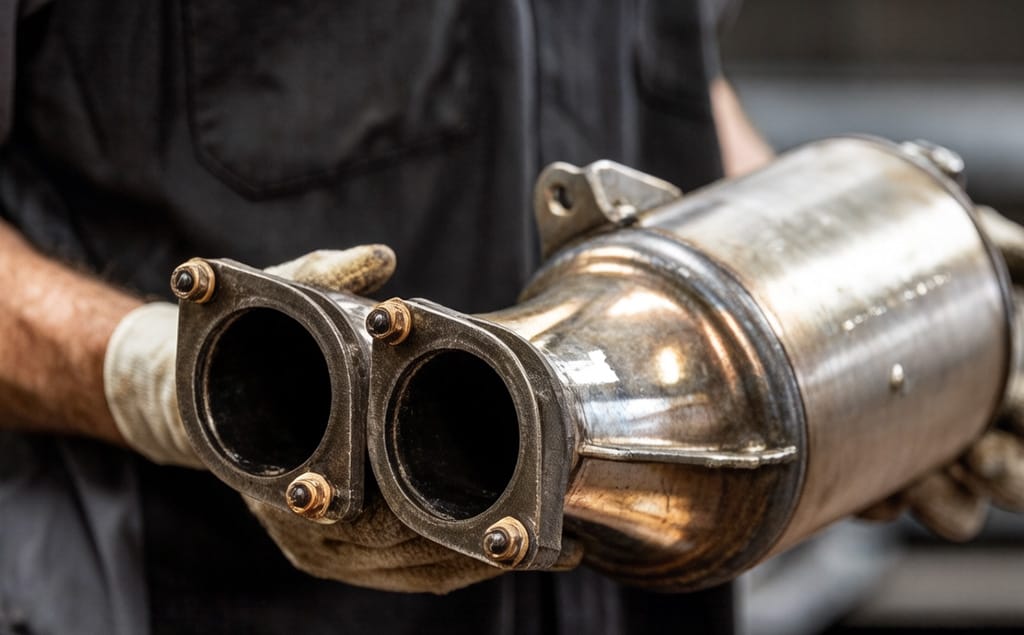
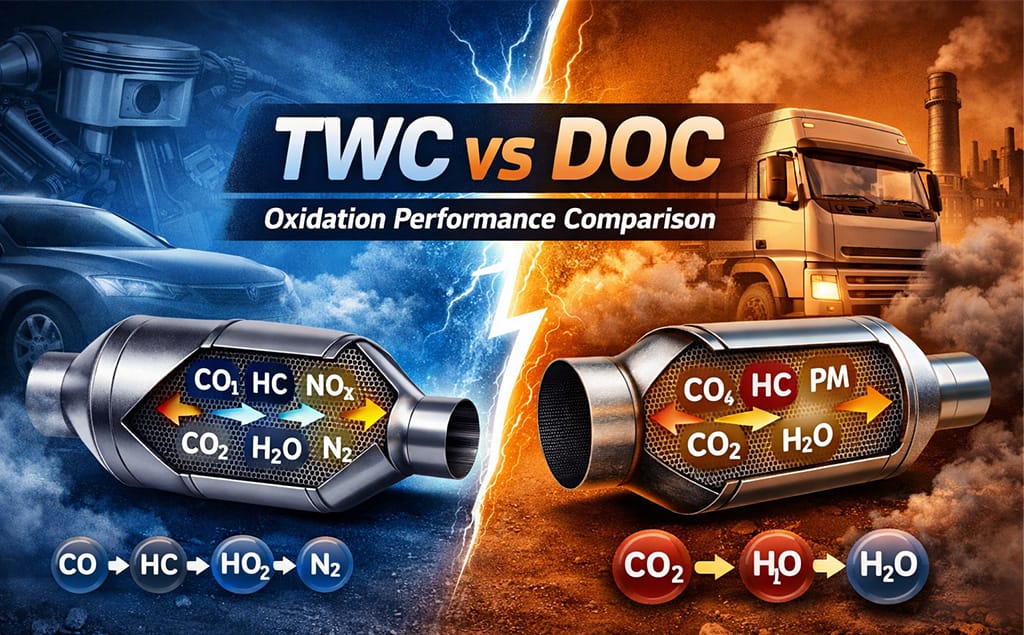
The three way catalytic converter represents the most successful emission control device in history. It primarily serves gasoline engines. This device manages three specific pollutants simultaneously. First, it reduces nitrogen oxides into elemental nitrogen and oxygen. Second, it oxidizes carbon monoxide into carbon dioxide. Third, it oxidizes unburnt hydrocarbons into water and carbon dioxide.
Efficiency depends heavily on the air-fuel ratio. The engine must operate near the stoichiometric point for the three way catalytic converter to work effectively. Modern vehicles often pair this catalyst with other filtration technologies. For example, many Gasoline Direct Injection (GDI) engines now use a three way catalytic converter alongside a GPF. This combination ensures the vehicle meets both gaseous and particulate emission limits. The catalyst handles the chemical reactions. The filter handles the physical trapping of solids.
Defining the Diesel Oxidation Catalyst (DOC)
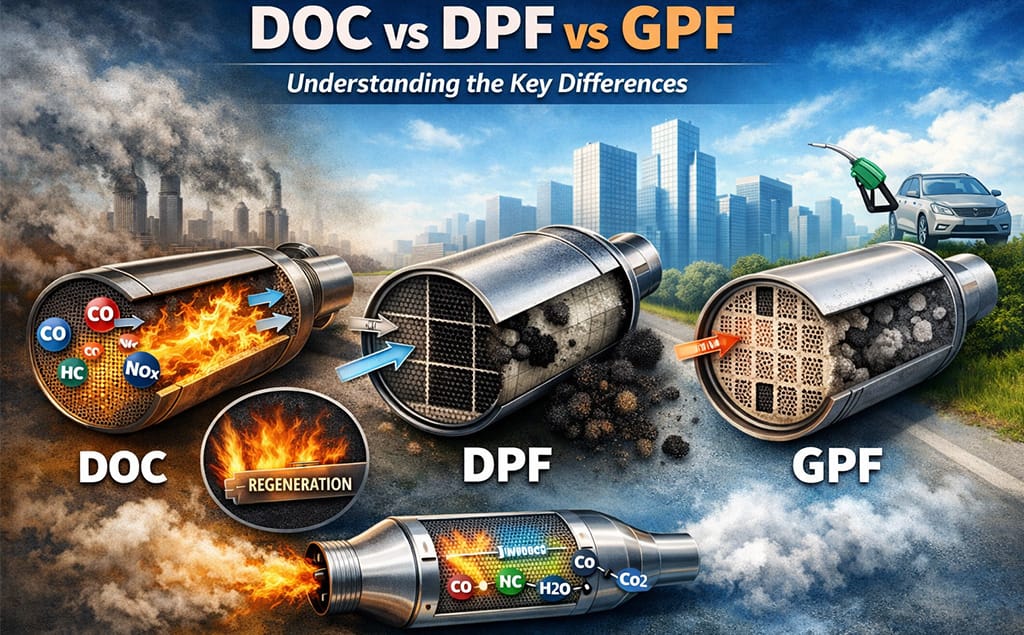
The DOC acts as the primary chemical processor in diesel exhaust systems. It resembles a flow-through device. Unlike a filter, it does not trap solid particles. Instead, it relies on chemical surface reactions. The DOC contains a honeycomb substrate made of ceramic or metal. Manufacturers coat this substrate with a washcoat of precious metals. Platinum and palladium are the most common active materials.
The DOC performs several vital functions. It converts carbon monoxide and hydrocarbons into less harmful substances. It also treats the soluble organic fraction of diesel soot. This process reduces the overall mass of particulate matter. Furthermore, the DOC manages nitrogen oxide ratios. It converts nitric oxide (NO) into nitrogen dioxide (NO2). This specific conversion is essential for the downstream DPF. High levels of NO2 facilitate the burning of soot at lower temperatures. This synergy prevents the exhaust system from clogging during normal operation.
The Mechanism of the Diesel Particulate Filter (DPF)
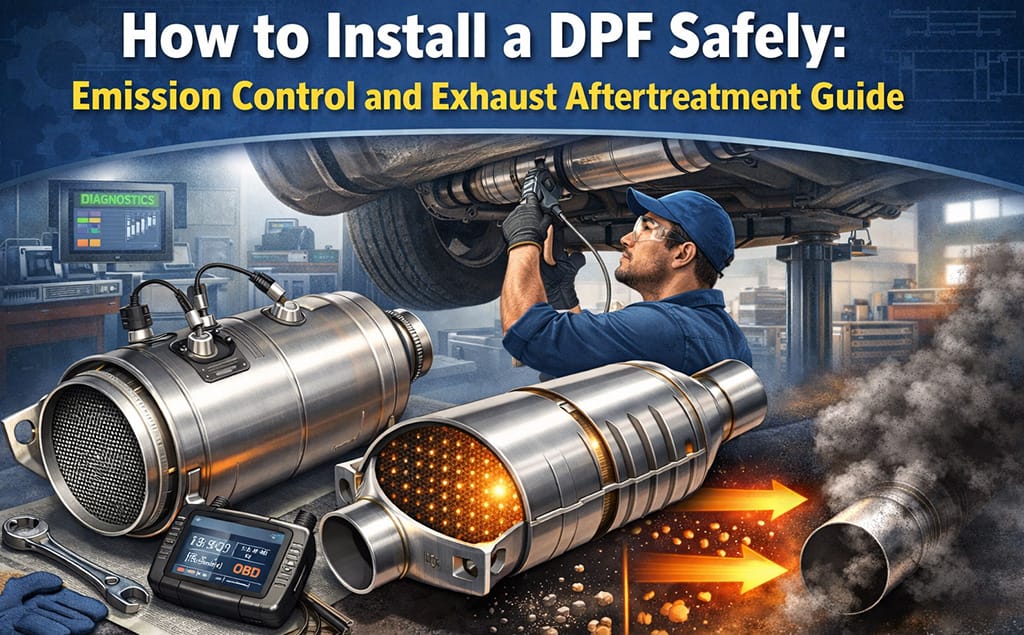
The DPF focuses on physical filtration rather than chemical conversion. Diesel combustion inherently produces carbon-based soot. These particles contribute to smog and respiratory health issues. The DPF uses a wall-flow monolith design. In this design, the channels are blocked at alternate ends. This forces the exhaust gas to pass through the porous walls of the channel.
The porous walls act as a microscopic net. They trap soot particles while allowing gases to escape. However, these particles eventually fill the filter. This accumulation increases backpressure in the engine. High backpressure reduces fuel efficiency and can cause engine damage. To solve this, the system initiates a “regeneration” cycle. Regeneration uses high heat to burn the soot into ash. Passive regeneration occurs during high-speed highway driving. Active regeneration requires the engine control unit (ECU) to inject extra fuel. This extra fuel raises the exhaust temperature to approximately 600 degrees Celsius.
GPF: The Solution for Gasoline Particulate Emissions
Gasoline Direct Injection (GDI) engines offer impressive power and fuel economy. However, they produce higher levels of fine particulates than older port-injection engines. The Gasoline Particulate Filter (GPF) addresses this specific problem. The GPF shares the wall-flow design of the DPF. However, gasoline engines produce different exhaust conditions than diesel engines.
Gasoline exhaust is naturally hotter than diesel exhaust. This heat allows the GPF to regenerate almost continuously. Consequently, the GPF rarely requires the complex active regeneration cycles seen in diesel systems. The GPF also features higher porosity. This design allows for better gas flow and lower backpressure. In many modern designs, engineers apply a catalytic coating to the GPF. This creates a “four-way catalyst.” This integrated component performs the duties of a three way catalytic converter while filtering soot.

Integration and System Synergy
Modern exhaust systems do not rely on a single component. They use a series of devices working in harmony. In a diesel system, the DOC usually sits upstream of the DPF. The DOC creates the necessary heat and NO2 for the DPF to function. In some cases, a Selective Catalytic Reduction (SCR) system follows the DPF to further reduce nitrogen oxides.
In gasoline systems, the three way catalytic converter usually sits closest to the engine. This location allows it to heat up quickly. A fast “light-off” time is crucial for reducing emissions during cold starts. The GPF typically follows the catalyst. This arrangement ensures that the system cleans the gases before it filters the particulates. Some manufacturers now integrate these two components into a single housing to save space and weight.
Technical Comparison of DOC, DPF, and GPF
The following table summarizes the primary technical differences between these three essential components.
| Feature | Diesel Oxidation Catalyst (DOC) | Diesel Particulate Filter (DPF) | Gasoline Particulate Filter (GPF) |
|---|---|---|---|
| Primary Goal | Oxidize toxic gases (CO, HC) | Filter solid soot particles | Filter fine gasoline soot |
| Engine Type | Diesel engines | Diesel engines | Gasoline (GDI) engines |
| Internal Design | Flow-through honeycomb | Wall-flow monolith | Wall-flow monolith |
| Material | Ceramic/Metallic with Pt/Pd | Cordierite or Silicon Carbide | Ceramic (Cordierite) |
| Regeneration | Not applicable (Chemical only) | Active and Passive cycles | Continuous Passive |
| Backpressure | Low impact | Significant impact when full | Moderate to low impact |
| Key Keyword | Uses three way catalytic converter principles | Works with DOC for heat | Often replaces three way catalytic converter |
Substrate Materials and Durability
The choice of material determines the lifespan of the filter or catalyst. Most systems use Cordierite. This ceramic material offers excellent thermal shock resistance. It expands very little when heated. This stability prevents the substrate from cracking during intense regeneration cycles.
Heavy-duty diesel applications often require Silicon Carbide (SiC). SiC has a higher melting point than Cordierite. It can withstand the extreme temperatures of “uncontrolled” regeneration. However, SiC is heavier and more expensive. For the three way catalytic converter, some manufacturers choose metallic substrates. Metallic substrates have thinner walls. These thin walls increase the effective surface area. A larger surface area improves the efficiency of chemical reactions.
Maintenance and Failure Modes
Every emission component has a finite lifespan. Ash accumulation represents the biggest threat to DPFs and GPFs. Unlike soot, ash does not burn away. Ash comes from engine oil additives and fuel contaminants. Over thousands of miles, ash fills the filter channels. This reduces the available space for soot. Eventually, the filter requires professional cleaning or replacement.
The DOC and three way catalytic converter face different risks. “Poisoning” occurs when certain chemicals coat the precious metals. Sulfur, phosphorus, and lead are common catalyst poisons. These chemicals prevent the exhaust gases from contacting the catalyst. Furthermore, excessive heat can cause “sintering.” Sintering reduces the surface area of the precious metals. This permanent damage renders the catalyst ineffective. Always use high-quality, low-SAPS (Sulfated Ash, Phosphorus, and Sulfur) oil to protect these components.
Diagnosing Issues in the Exhaust Chain
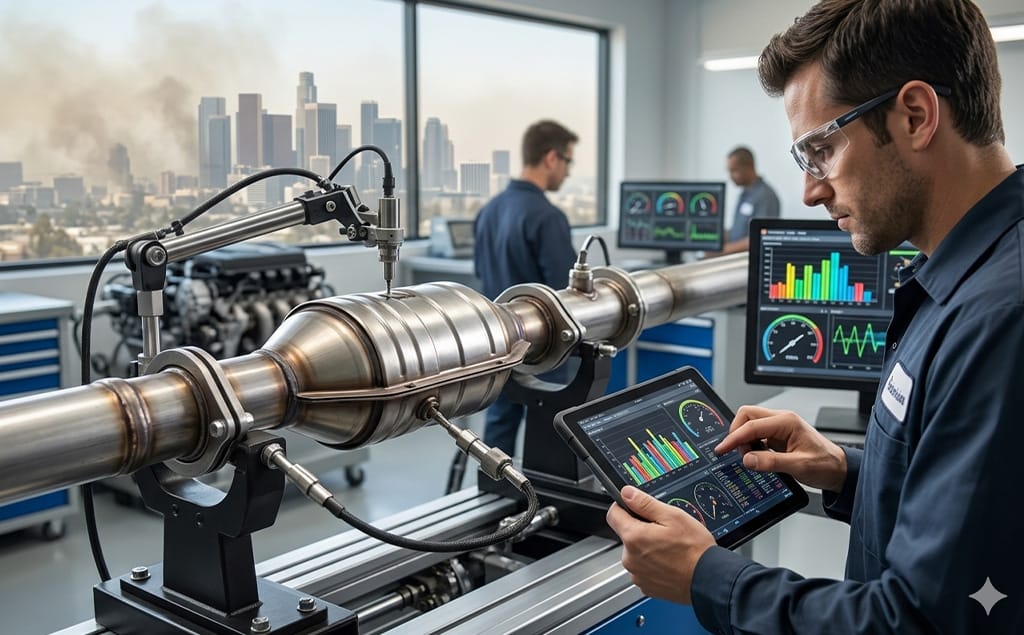
Modern vehicles use a network of sensors to monitor aftertreatment health. Differential pressure sensors measure the pressure drop across the DPF or GPF. If the pressure is too high, the ECU triggers a warning light. Oxygen sensors monitor the efficiency of the three way catalytic converter.
A failing DOC often causes issues downstream. If the DOC cannot generate enough heat, the DPF will fail to regenerate. This leads to rapid soot buildup and engine “limp mode.” Unusual exhaust smells often indicate a catalyst failure. Black smoke usually suggests a cracked DPF substrate. Drivers should never ignore these warning signs. Early intervention saves thousands of dollars in replacement costs.
The Future of Particulate Filtration
Emission standards continue to tighten globally. Future regulations may require even higher filtration efficiency. Engineers are currently researching membrane coatings for filters. These coatings could trap even smaller sub-23nm particles. We are also seeing the rise of electrically heated catalysts. These devices use the vehicle’s electrical system to heat the three way catalytic converter instantly. This technology virtually eliminates cold-start emissions.
Conclusion
The DOC, DPF, and GPF are the unsung heroes of modern automotive technology. They allow us to enjoy the benefits of internal combustion while minimizing environmental harm. The DOC provides the chemical foundation for diesel cleaning. The DPF offers a robust solution for trapping heavy soot. The GPF adapts these principles for the modern gasoline engine. Finally, the three way catalytic converter remains the essential tool for gas phase purification. Proper maintenance, correct oil selection, and regular highway driving will ensure these systems function for the life of the vehicle. As technology evolves, these components will become even more integrated and efficient.