Introduction
Modern automotive engineering faces a critical challenge. Manufacturers must reduce harmful tailpipe emissions to meet global standards like those set by the EPA. Two primary technologies lead this effort: the Gasoline Particulate Filter (GPF) and the Diesel Particulate Filter (DPF). Both components utilize ceramic honeycomb structures to trap fine soot particles. However, their internal designs and operational logic differ significantly. These filters work alongside the three way catalytic converter to ensure vehicles remain environmentally compliant. This article explores the technical nuances, regeneration processes, and maintenance requirements of these essential emission control systems.
The Fundamental Role of Particulate Filtration
Internal combustion engines produce particulate matter (PM) during the combustion cycle. Diesel engines traditionally generate high volumes of visible soot. In contrast, modern Gasoline Direct Injection (GDI) engines produce finer, more invisible particles. These particles pose significant health risks. Therefore, engineers integrate filtration systems into the exhaust stream,a process detailed in DieselNet’s technical guides.
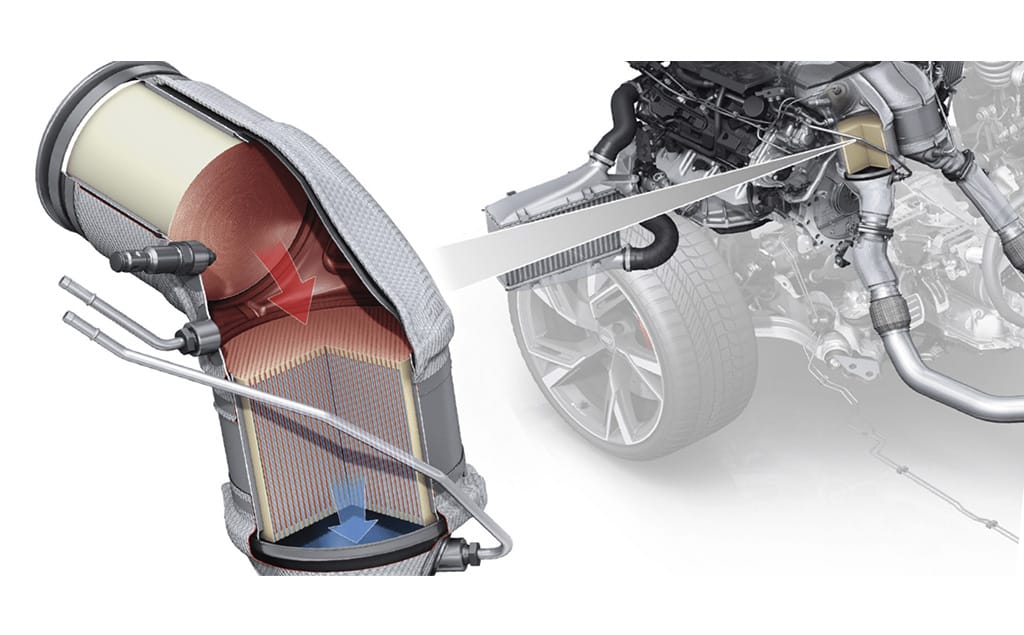
The DPF serves as the primary defense for diesel powertrains. It captures heavy soot loads before they exit the tailpipe. The GPF addresses the unique challenges of GDI engines. These engines offer high fuel efficiency but emit high numbers of fine particulates. Both systems rely on porous walls to separate solids from exhaust gases.
Synergy with the Three Way Catalytic Converter
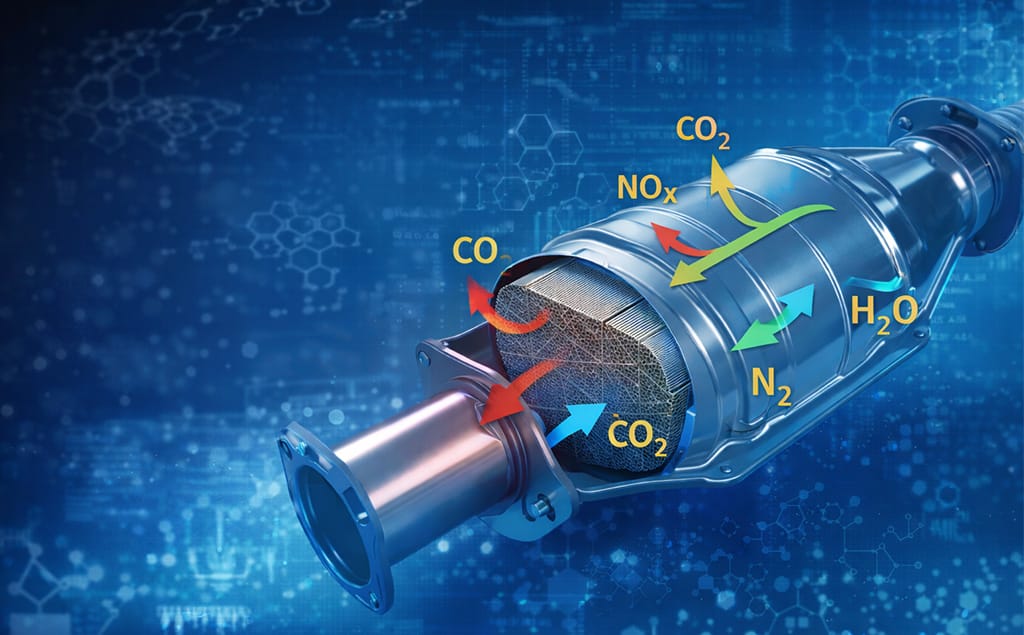
In gasoline vehicles, the GPF does not work in isolation. It maintains a close relationship with the three way catalytic converter. The three way catalytic converter handles gaseous pollutants like carbon monoxide (CO), nitrogen oxides (NOx), and hydrocarbons (HC). Engineers often place the GPF immediately after the three way catalytic converter.
Some advanced designs even combine these two components. Manufacturers apply a catalytic washcoat directly to the GPF substrate. This “four-way” catalyst system saves space and reduces weight. It allows the filter to oxidize gaseous pollutants while simultaneously trapping soot. The high-temperature environment near the three way catalytic converter benefits the GPF. It ensures the filter reaches the necessary temperature for continuous soot oxidation.
Technical Comparison: GPF vs. DPF
| Feature | Diesel Particulate Filter (DPF) | Gasoline Particulate Filter (GPF) |
|---|---|---|
| Primary Fuel | Diesel | Gasoline (GDI) |
| Exhaust Temperature | Lower (300°C – 500°C) | Higher (600°C – 800°C) |
| Soot Load | High | Low to Moderate |
| Regeneration Type | Active and Complex | Passive and Continuous |
| Porosity | Lower (Robust structure) | Higher (Lighter structure) |
| Backpressure | Higher impact on performance | Lower impact on performance |
| Proximity to TWC | Usually separate | Often integrated or adjacent |
Regeneration Mechanics: Active vs. Passive
Regeneration describes the process of burning off accumulated soot. Without this process, the filter would clog and increase backpressure. This would eventually stall the engine.
DPF: The Active Approach
Diesel exhaust remains relatively cool during normal operation. It rarely reaches the 600°C required to burn soot naturally. Therefore, the vehicle’s Engine Control Unit (ECU) must trigger “active regeneration.” The system injects extra fuel into the cylinders or the exhaust stream. This fuel burns and raises the DPF temperature. This process requires specific driving conditions, such as sustained highway speeds. Frequent short trips often prevent successful DPF regeneration.
GPF: The Passive Advantage
Gasoline engines operate at much higher temperatures. The exhaust gas often exceeds the soot ignition point during normal driving. Consequently, the GPF utilizes “passive regeneration.” Soot burns off continuously as the driver operates the vehicle. Deceleration phases provide an oxygen-rich environment. This oxygen accelerates the oxidation of trapped carbon. Because of this, GPFs rarely suffer from the clogging issues common in diesel systems.

Material Science and Structural Design
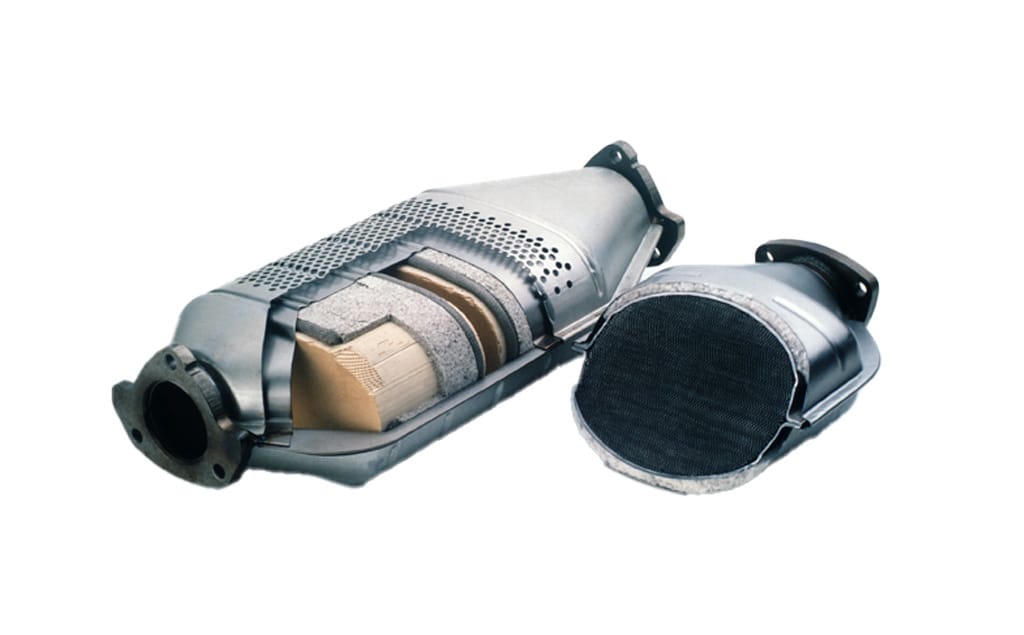
Engineers select materials based on thermal stress and filtration efficiency. Most filters use Cordierite or Silicon Carbide.
The DPF requires a robust, dense substrate. It must withstand the intense heat of active regeneration cycles. These cycles create significant thermal gradients across the filter. A dense structure prevents the filter from cracking under stress.
The GPF prioritizes low backpressure. Gasoline engines are sensitive to exhaust restrictions. Therefore, GPFs feature higher porosity and thinner walls. This design allows exhaust gases to flow more freely. It minimizes the impact on fuel economy and engine power. Despite its lighter weight, the GPF remains highly efficient. It can remove over 90% of fine particulates from the exhaust stream.
Maintenance and Lifecycle Expectations
Maintenance requirements define the long-term cost of ownership for these systems.
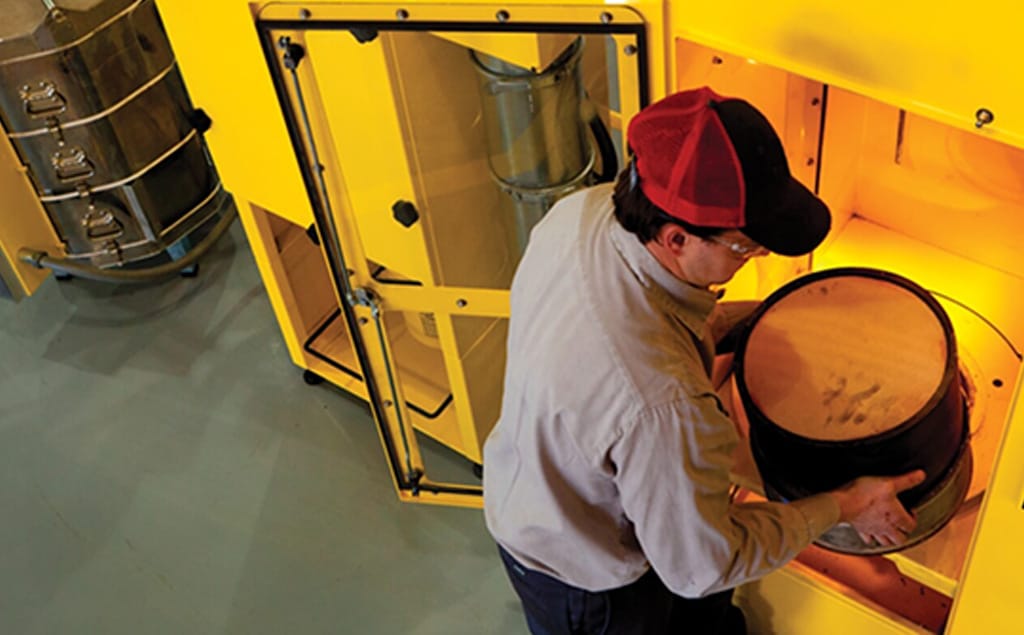
DPFs accumulate non-combustible ash over time. This ash comes from engine oil additives and fuel impurities. Active regeneration cannot remove ash. Eventually, the ash fills the filter cells. This requires professional cleaning using specialized machines or total replacement. Owners must use “Low SAPS” engine oils to prolong DPF life.
GPFs generally require less maintenance. Their continuous regeneration prevents soot buildup. Furthermore, gasoline engines produce less ash than diesel engines. Most manufacturers design the GPF to last the entire lifetime of the vehicle. It functions as a “fit and forget” component in most applications. However, using the correct engine oil remains vital for protecting the integrated three way catalytic converter and the filter substrate.
The Evolution of Filtration Substrates
Recent innovations focus on reducing the “light-off” time for emission systems. The “light-off” temperature is the point where the three way catalytic converter becomes active.
Engineers now use thinner walls and higher cell densities. This reduces the thermal mass of the exhaust system. A lower thermal mass allows the three way catalytic converter and GPF to heat up faster. Faster heating reduces cold-start emissions. Cold starts contribute a large percentage of a vehicle’s total pollution. By optimizing the substrate, manufacturers meet the stringent Euro 6d and Euro 7 standards.
Environmental and Regulatory Impact
Global regulations drive the adoption of these filters. The China 6 and Euro 6 standards set strict limits on Particulate Number (PN).
Diesel engines have used DPFs for over a decade. They successfully eliminated the “black smoke” associated with older trucks. Now, the focus shifts to gasoline engines. GDI technology improved power but increased fine particle counts. The GPF solves this problem effectively. It ensures that modern gasoline cars are as clean as their diesel counterparts. Both technologies work with the three way catalytic converter to create a multi-stage purification system.
Operational Challenges and Troubleshooting
Despite their efficiency, these systems can face challenges.
DPF failure often stems from “drive cycle” issues. City driving prevents the filter from reaching regeneration temperatures. This leads to a “limp mode” where the engine loses power. Drivers must then perform a “forced regeneration” at a service center.
GPF issues are rare but usually involve physical damage. High-speed impacts or extreme engine misfires can melt the substrate. A misfiring engine sends raw fuel into the hot three way catalytic converter. This fuel ignites and creates a localized “meltdown.” Proper engine maintenance prevents these catastrophic failures.
Summary of Lifecycle Costs
| Factor | DPF (Diesel) | GPF (Gasoline) |
|---|---|---|
| Initial Cost | High | Moderate |
| Oil Requirement | Specific Low-Ash Oil | Standard Synthetic |
| Cleaning Interval | 100,000 – 150,000 km | Lifetime (No cleaning) |
| Replacement Cost | Very High | Moderate |
| Reliability | Sensitive to driving style | Highly robust |
Conclusion
The GPF and DPF represent the pinnacle of particulate control technology. While they share a common goal, their paths to success differ. The DPF manages heavy soot through active thermal intervention. The GPF leverages the naturally high heat of gasoline exhaust for passive cleaning. Both systems rely on the foundational work of the three way catalytic converter to neutralize gaseous toxins. Understanding these differences helps manufacturers build better cars. It also helps consumers maintain their vehicles for a cleaner environment. As we move toward stricter standards, these filters will continue to evolve. They remain essential for the future of the internal combustion engine.