Introduction
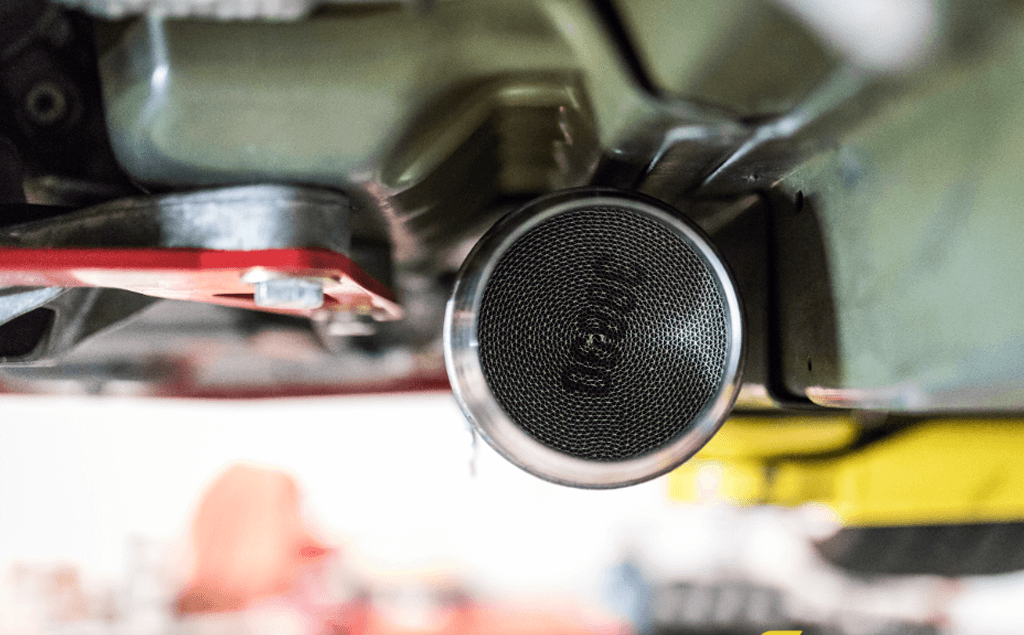
If the global auto industry wants to go green, efficient emission control systems are absolutely essential. The three way catalytic converter serves as the primary technology for reducing vehicle tailpipe emissions. This device simultaneously mitigates three major pollutants: nitrogen oxides (NOx), carbon monoxide (CO), and unburned hydrocarbons (HC).China dominates the global supply chain for these key components, leading both in production and exports.
Chinese suppliers hit the sweet spot for global buyers, offering cutting-edge tech at prices that just make sense. That said, importing these parts means dealing with some tight legal and technical compliance. This article provides an exhaustive guide for professionals who seek to import high-quality three way catalytic converters from China into the global market.
When selecting products, you must understand the different types of catalytic converters available in the Chinese market, as the substrate material directly affects the back-pressure of the engine.
1. The Engineering Science of Three Way Catalytic Converters
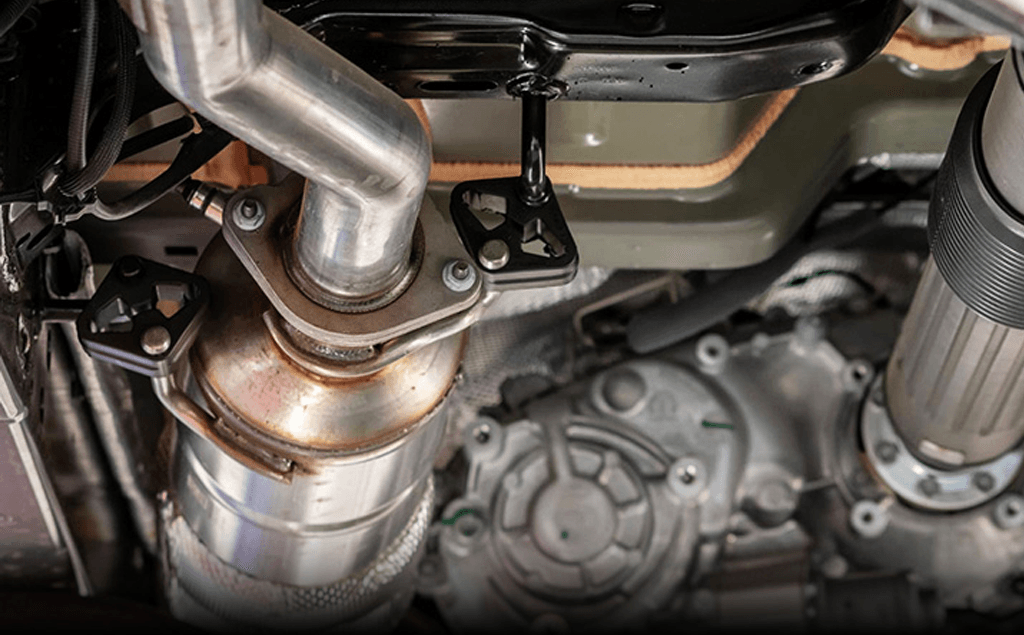
A three way catalytic converter is much more than a simple exhaust pipe. It is a sophisticated chemical reactor. Inside the steel housing, a substrate provides a massive surface area for chemical reactions. Manufacturers typically use ceramic honeycombs or metallic foils as substrates. They then apply a “washcoat” containing precious metals such as platinum (Pt), palladium (Pd), and rhodium (Rh).
1.1 Chemical Reduction and Oxidation
The “three way” name refers to the three simultaneous reactions occurring inside the device.Through a joint catalytic effort, platinum and rhodium facilitate the reduction of hazardous nitrogen oxides to benign nitrogen and oxygen.At the same time, platinum and palladium handle the rest: they oxidize carbon monoxide into carbon dioxide, while also turning hydrocarbons into harmless water vapor and CO2. To do this, the vehicle’s oxygen sensor constantly fine-tunes the air-fuel ratio for perfect precision.
1.2 Comparison of Substrate Materials
Choosing the right substrate is vital for engine performance. The following table compares the two primary types of substrates used in a three way catalytic converter.
| Feature | Ceramic Substrate (Cordierite) | Metallic Substrate (Fe-Cr-Al) |
|---|---|---|
| Heat Resistance | Excellent (Up to 1200°C) | Good (Up to 1000°C) |
| Durability | Brittle; prone to thermal shock | High; resistant to mechanical vibration |
| Back Pressure | Standard | Lower (due to thinner walls) |
| Production Cost | Lower | Higher |
| Application | Standard passenger vehicles | High-performance and heavy-duty cars |
2. Identifying Manufacturing Hubs in China
China has established massive industrial clusters for automotive exhaust systems. Understanding these regions helps you find the right specialist for your three way catalytic converter needs.
- Zhejiang Province (Wenzhou & Taizhou): This region hosts thousands of small to medium-sized factories. They specialize in aftermarket replacement converters for universal fits.
- Guangdong Province: These factories often focus on high-end electronics and integrated sensor technology for converters.
- Hebei Province: This area is known for heavy-duty truck catalytic converters.
- Shandong Province: Many suppliers here focus on the raw chemical production of washcoats and precious metal recycling.
You should prioritize suppliers located in these clusters. These factories benefit from a complete local supply chain. This proximity reduces their raw material costs and improves lead times.
3. Navigating Global Environmental Regulations
The most significant barrier to importing a three way catalytic converter is environmental compliance. You must verify that the product meets the specific laws of your target country.
3.1 EPA Tier 3 Standards (USA Federal)
The Environmental Protection Agency (EPA) governs emission standards in most U.S. states. Any three way catalytic converter sold in the U.S. must have a certification from the manufacturer. It must guarantee efficiency for at least 50,000 miles.
3.2 CARB Requirements (California & Section 177 States)
California uses much stricter rules through the California Air Resources Board (CARB). A CARB-compliant three way catalytic converter requires an Executive Order (EO) number. This number must be physically stamped on the converter shell. Without this stamp, the part is illegal for sale in California, New York, and several other states.
The legal complexity often confuses new importers. We highly recommend reading our detailed comparison on EPA Vs CARB Catalytic Converter standards to avoid costly customs seizures.
| Regulatory Body | Standards | Mandatory Labeling | Target Market |
|---|---|---|---|
| EPA (Federal) | Tier 3 / Tier 4 | Compliance Statement | 30+ US States |
| CARB | LEV III / SULEV | EO Number (Stamped) | CA, NY, MA, ME, etc. |
| Euro Standards | Euro 5 / Euro 6 | E-Mark (e.g., E9, E11) | European Union |
| GB Standards | China VI | QR Code Tracking | Mainland China |
4. Technical Quality Verification Protocols
Before you sign a purchase agreement, you must evaluate the technical data of the three way catalytic converter. Do not rely solely on the supplier’s word.
4.1 Precious Metal Loading Analysis
The cost of a three way catalytic converter depends heavily on its “loading.” This refers to the grams per cubic foot of Pt, Pd, and Rh. You should request a Precious Metal Assay report. Low-quality “dummy” converters often contain zero precious metals. These will fail emission tests and trigger “Check Engine” lights immediately.
4.2 Canning and Welding Integrity
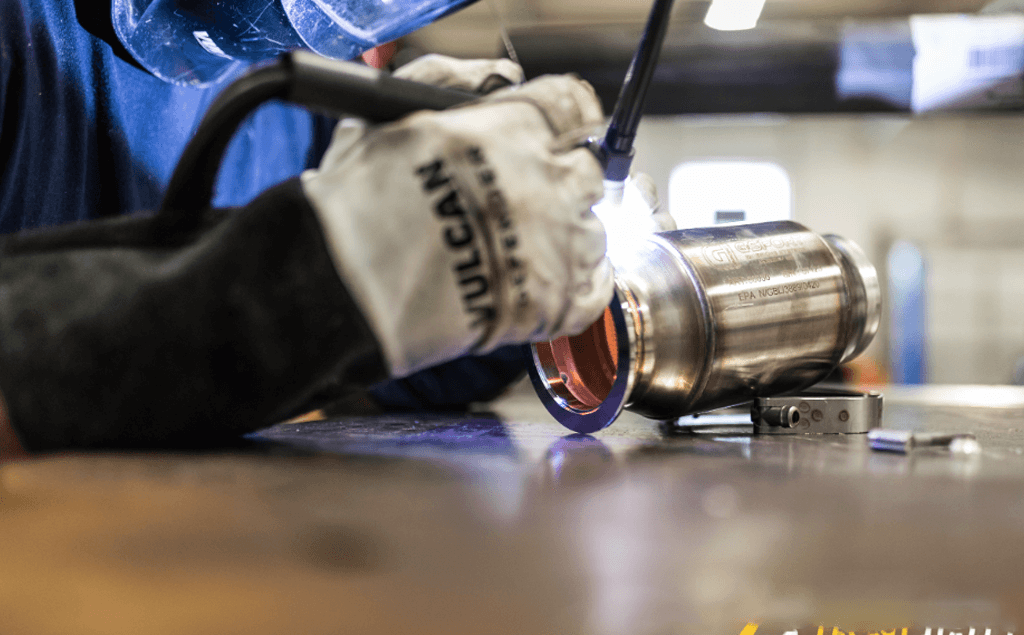
The “canning” process involves wrapping the substrate in a mounting mat and pressing it into the steel shell. Poor canning leads to “substrate rattle.” This eventually destroys the ceramic monolith. High-quality Chinese suppliers use automated robotic welding (TIG or MIG). This ensures leak-proof seams and high structural integrity.
5. Detailed Documentation and Customs Classification
Customs officials view the three way catalytic converter as a high-scrutiny item. You must prepare your paperwork with extreme precision.
5.1 HS Code and Tariffs
The standard international HS Code is 8421.39. In the U.S., the specific HTS code is 8421.39.4000. Currently, imports from China to the U.S. may be subject to Section 301 tariffs. You should consult a customs broker to calculate the latest duty rates.
5.2 The Essential Document Checklist
- Commercial Invoice: Must list the part number, material (e.g., Stainless Steel 409), and quantity.
- Packing List: Specifies the dimensions and weight of each crate.
- Certificate of Origin (CO): Required for verifying the manufacturing source.
- EPA/CARB Compliance Certificate: Crucial for clearing the environmental “bond.”
6. Logistics Strategy: Shipping the Three Way Catalytic Converter
The weight and volume of catalytic converters make logistics a major cost factor. You must choose the right Incoterm and shipping method.
| Shipping Method | Typical Lead Time | Cost Level | Best For |
|---|---|---|---|
| Sea Freight (LCL) | 30–45 Days | Low | Standard inventory restock |
| Sea Freight (FCL) | 30–45 Days | Very Low | Large-scale distributors |
| Air Freight | 5–10 Days | High | Urgent repairs or samples |
| Railway (China-Europe) | 18–25 Days | Medium | European market expansion |
Strategic Tip: Use “Direct-Fit” designs to minimize shipping volume. Direct-fit converters include the necessary pipes and flanges. This reduces labor costs for the end-user but increases the size of the box. Universal converters are smaller and cheaper to ship. However, they require welding and pipe cutting during installation.
7. Risk Management and Supplier Audits
Importing a three way catalytic converter involves financial and technical risks. You must protect your investment through due diligence.
7.1 Verify IATF 16949 Certification
Only work with factories that hold the IATF 16949 certification. This is the global standard for automotive quality management. It ensures that the factory follows strict protocols for every batch of three way catalytic converters.
7.2 Use Third-Party Inspection
Hire an inspection agency like SGS or Intertek. They can perform a random “drop test” on your crates. They can also use X-ray fluorescence (XRF) guns to verify the precious metal content on the spot. This prevents the shipment of inferior products.
8. The Future of the Three Way Catalytic Converter
The transition to hybrid vehicles does not eliminate the need for the three way catalytic converter. In fact, hybrid engines often require more advanced converters. These engines start and stop frequently. This creates “cold start” challenges. Modern Chinese manufacturers are developing “close-coupled” converters. These units sit closer to the engine manifold to heat up faster. This technology will remain relevant for the next two decades.
Conclusion
Importing the three way catalytic converter from China requires a professional approach. What you need is a rare dual skillset: a deep command of precious metal chemistry on one hand, and the ability to steer through complex international law on the other. Start by selecting suppliers in established clusters like Zhejiang or Guangdong. Verify their IATF 16949 certifications and emission test reports. Ensure your documentation strictly follows EPA or CARB guidelines. By using active voice in your procurement contracts and maintaining short, clear communication with your logistics partners, you will build a successful import business. The three way catalytic converter remains the guardian of our air quality. Your commitment to high-quality imports supports both your business growth and global environmental health.